
A Mixed Berry Pie for the Summer Table
There is something special about berry season that makes a kitchen feel full of possibility.
A colander of freshly picked berries waiting beside the sink. A stick of butter softening on the counter. Flour scattered across the pastry board after rolling out pie dough. If you're lucky enough to have children nearby, there is a good chance a few berries disappear before they ever make it into the bowl. These are the little moments that have marked American summers for generations, and they are exactly where this Independence Pie begins.
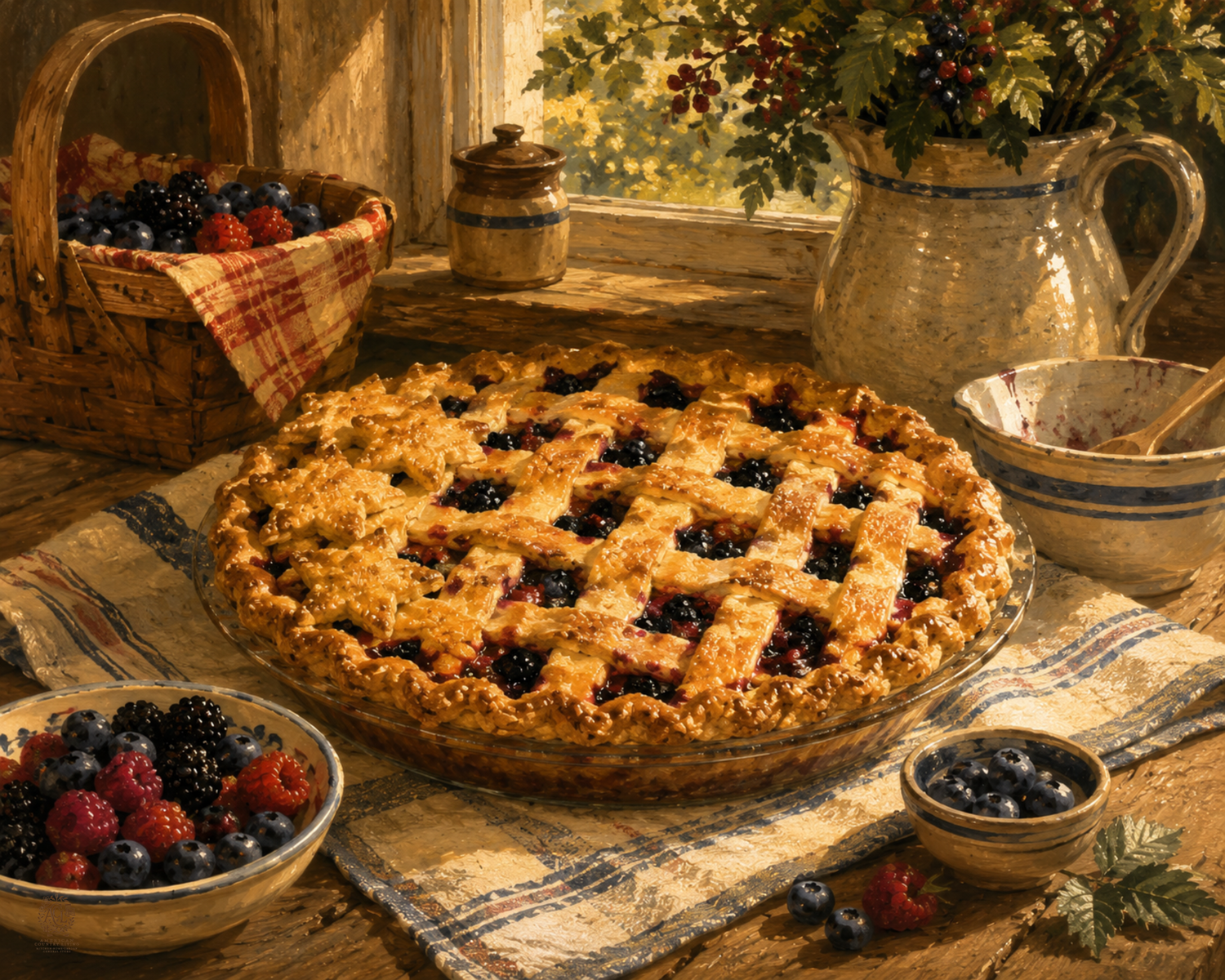
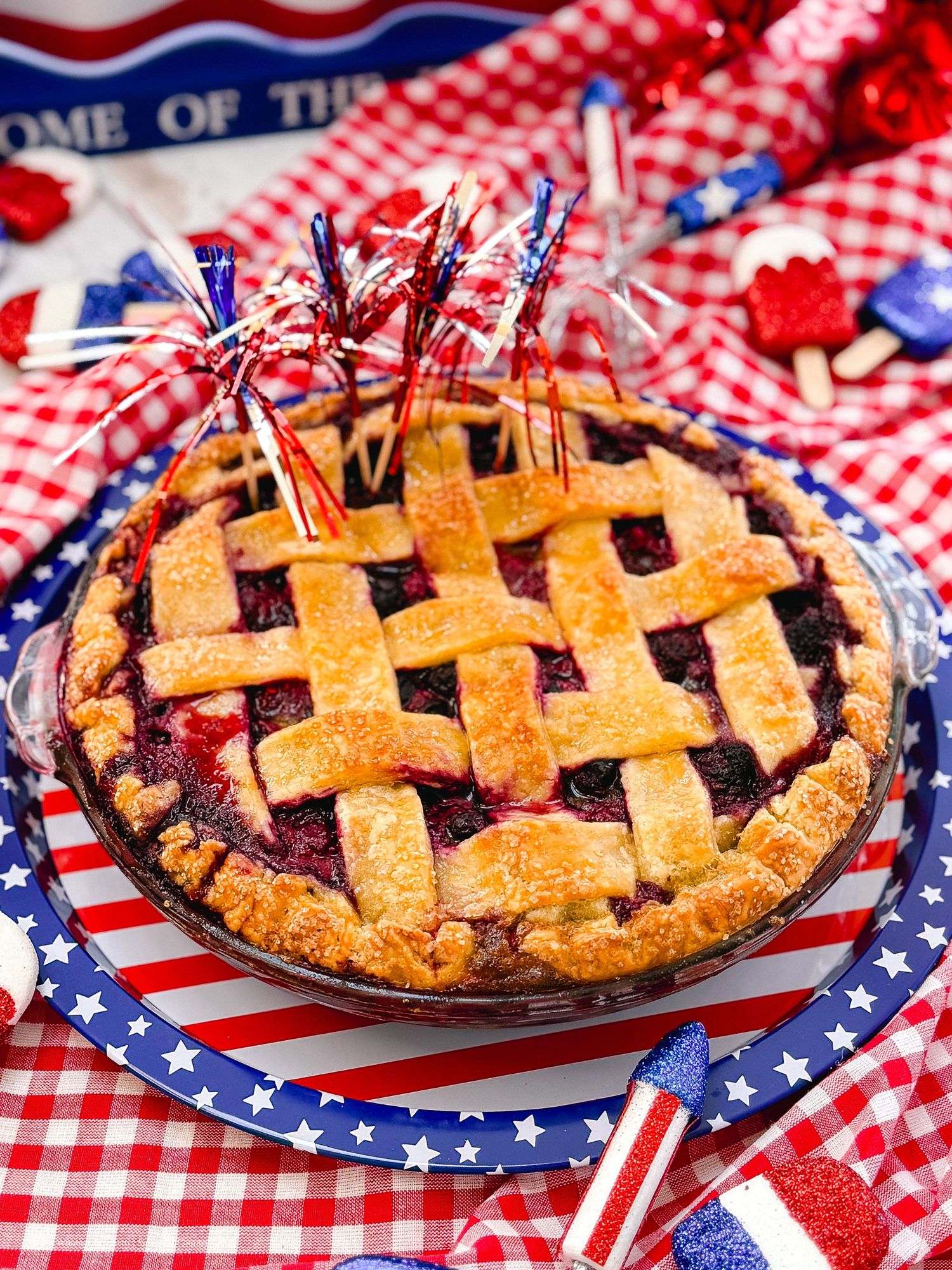
A pie like this feels right at home on a Fourth of July picnic table, beside a basket of fried chicken, a bowl of potato salad, and glasses of fresh lemonade. It belongs at family reunions, backyard cookouts, and neighborhood celebrations where everyone gathers for one more slice before the fireworks begin.
The history of American fruit pie reaches back to the earliest years of our nation. In 1796, Amelia Simmons published American Cookery, recognized as the first cookbook written by an American and printed in the United States. Her recipes reflected what families actually had available to them rather than relying on expensive imported ingredients. Apples, cherries, raspberries, blackberries, currants, and plums all found their way into simple homemade pies made from local harvests.
As the young nation expanded westward, families planted orchards, tended kitchen gardens, and gathered wild berries growing along woodland edges, creek banks, and country roads. Summer meant strawberries first, followed by raspberries, blueberries, and blackberries. Much of the harvest was preserved as jams and jellies, but the freshest berries often went straight into pies while their flavor was at its peak.
There is something wonderfully practical about a berry pie. It celebrates what is growing right now. Home cooks learned to judge fruit by its fragrance, color, and sweetness rather than measuring everything exactly. One year's berries might need a little more sugar. Another year's harvest might need extra thickener after a rainy spring. Those small adjustments became part of the knowledge passed from one kitchen to the next.
I have always loved recipes that follow the seasons because they remind us to slow down long enough to appreciate what the land is offering. Summer berries have a freshness that simply cannot be duplicated months later. Their bright color, sweet aroma, and natural juices create a pie that tastes like July itself.
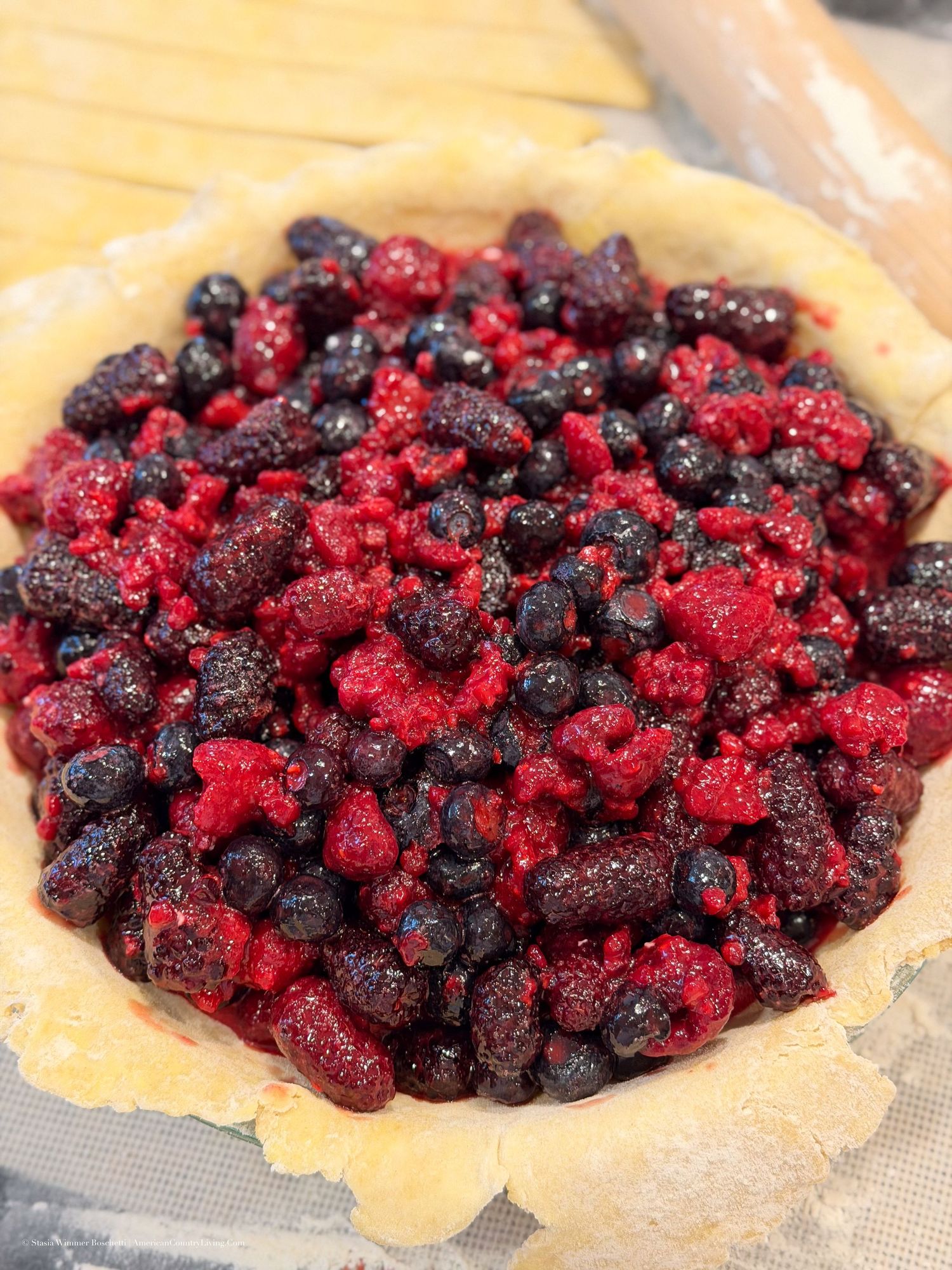
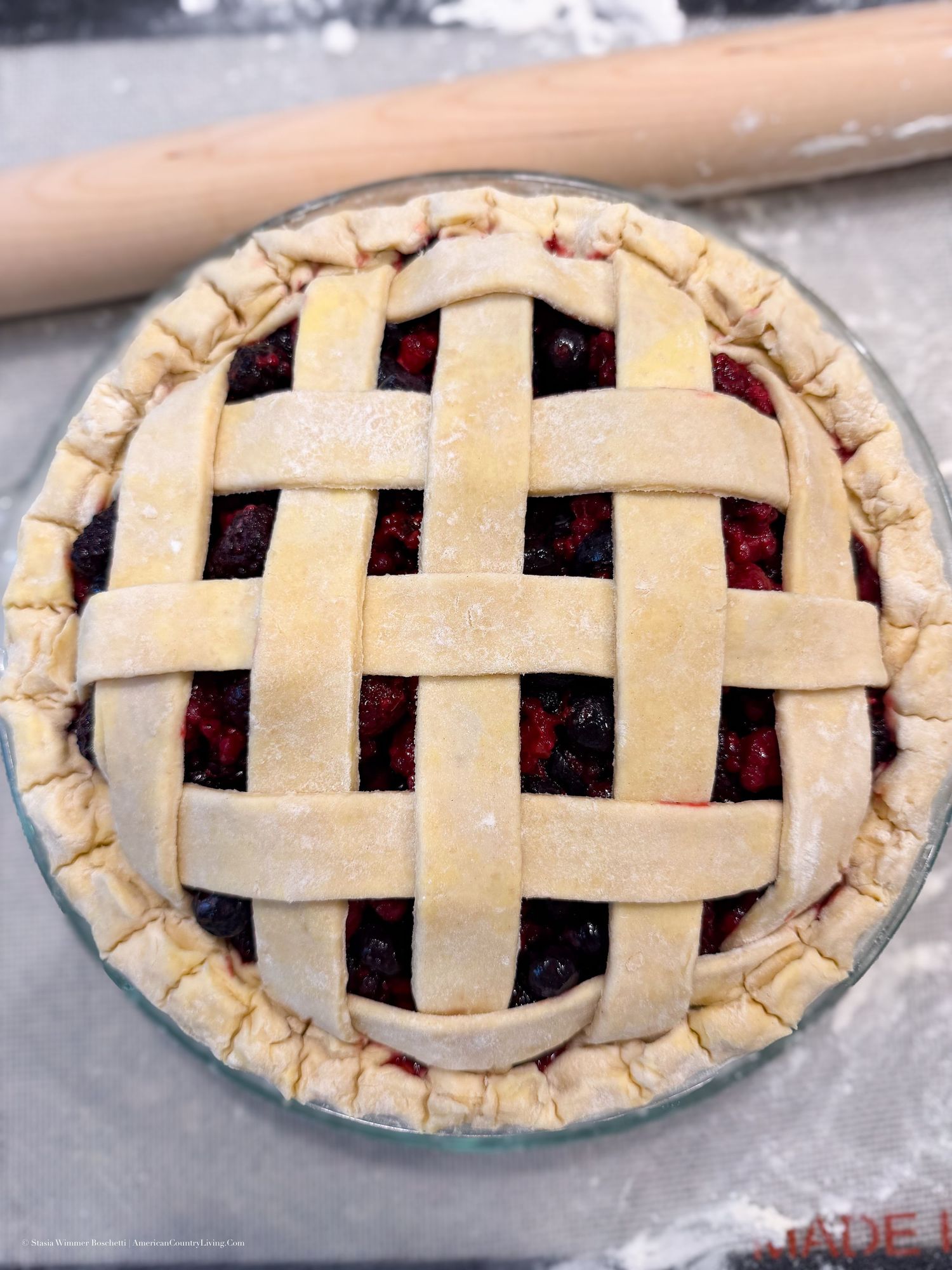
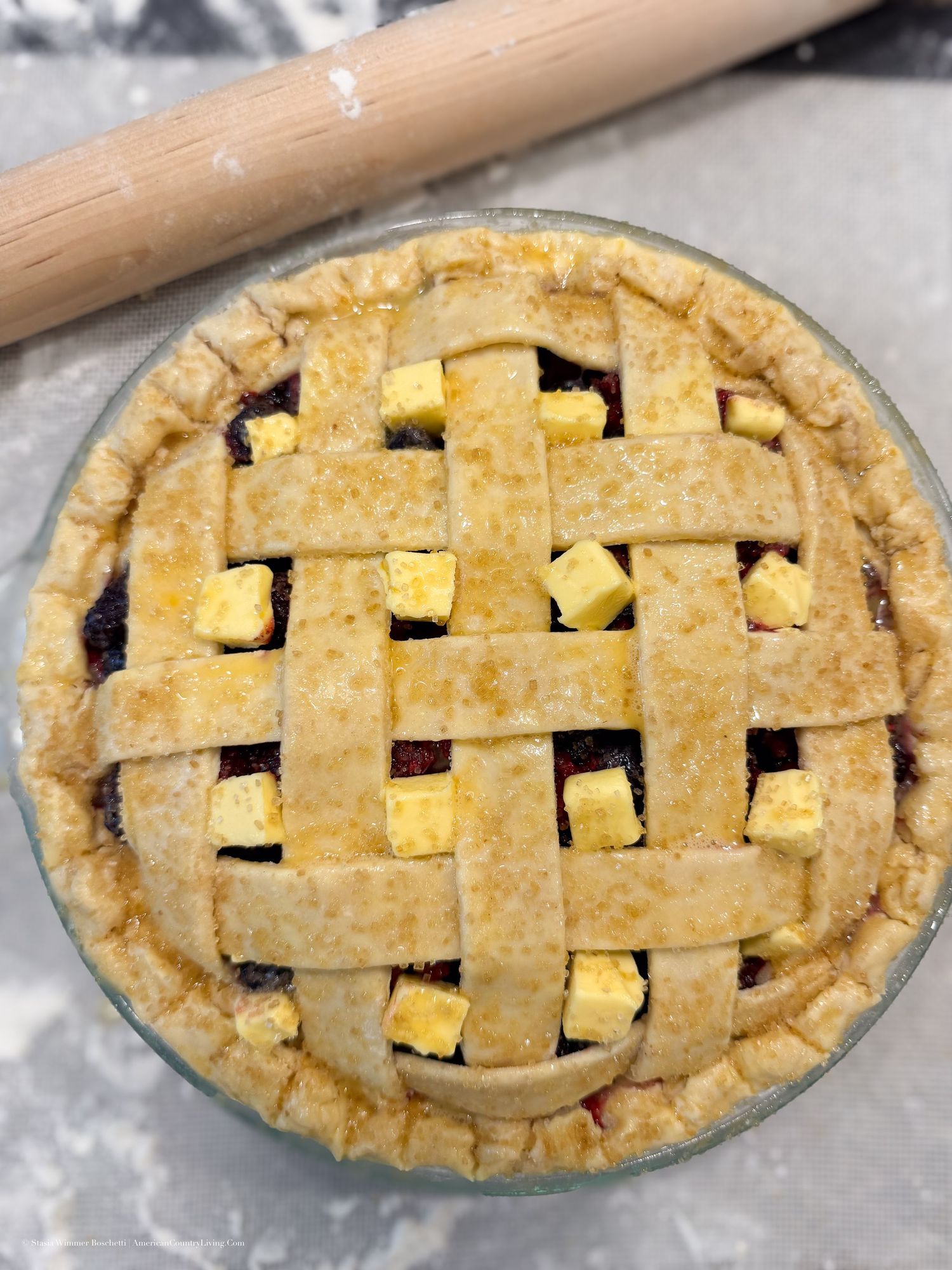
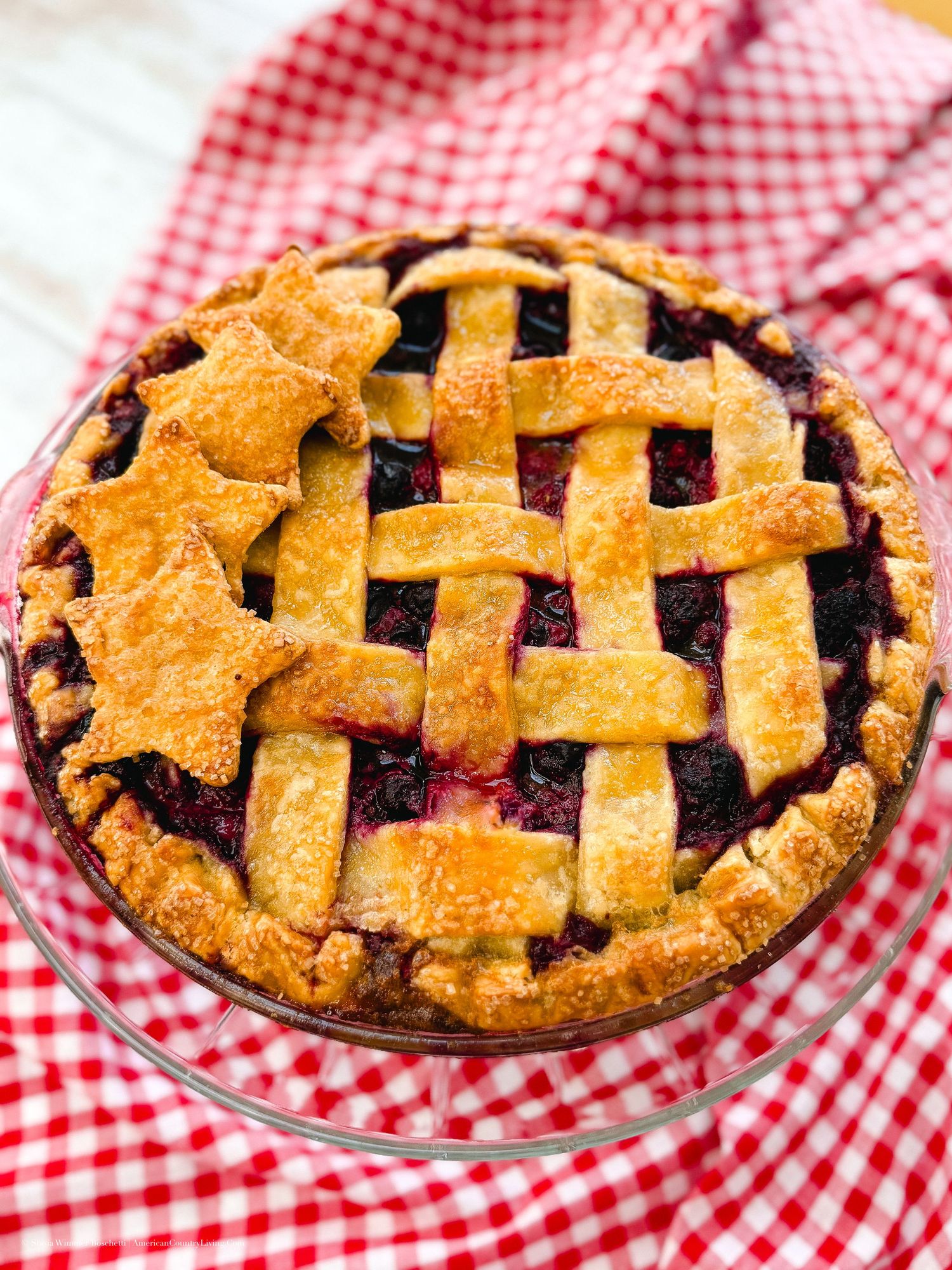
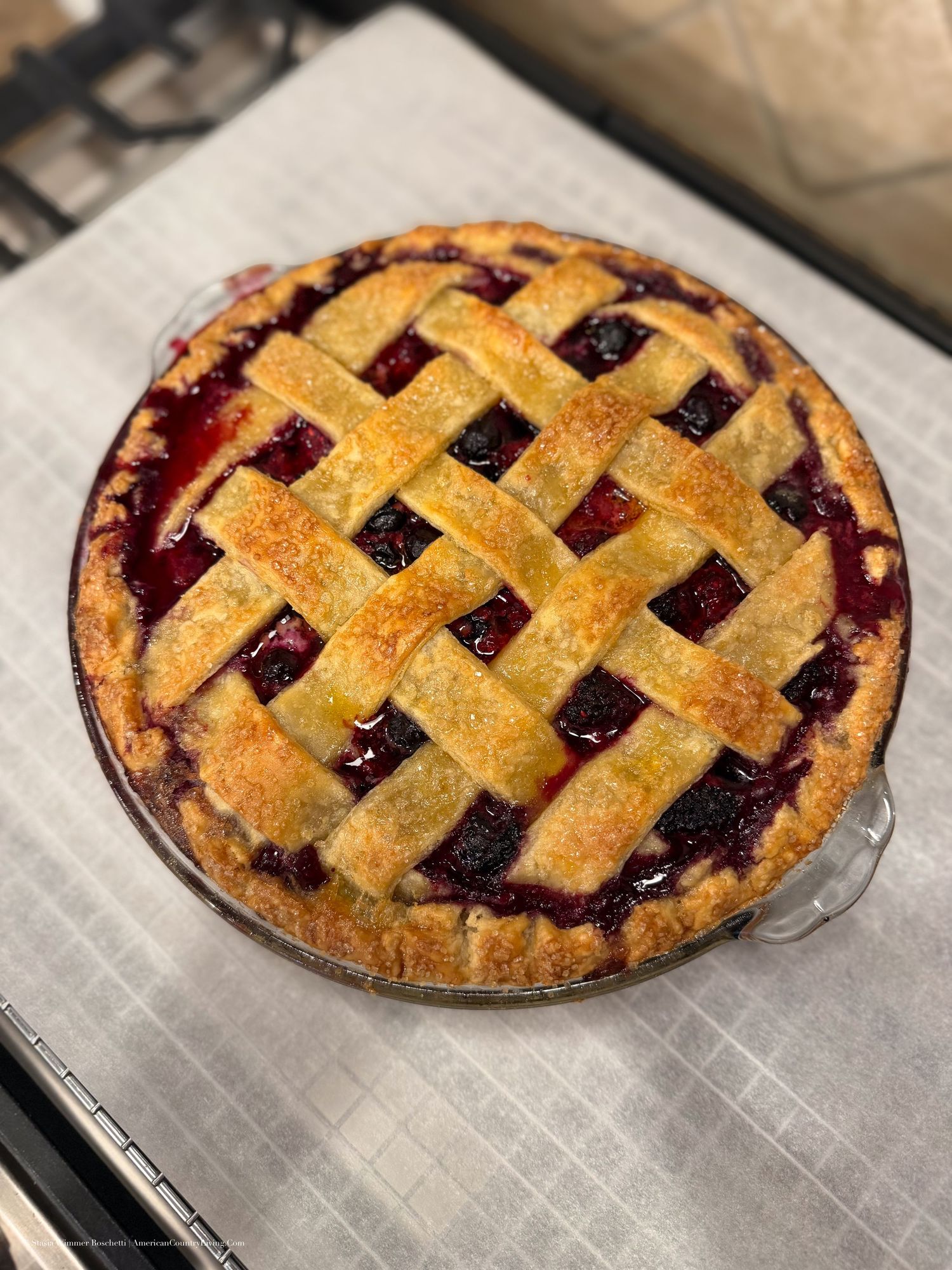
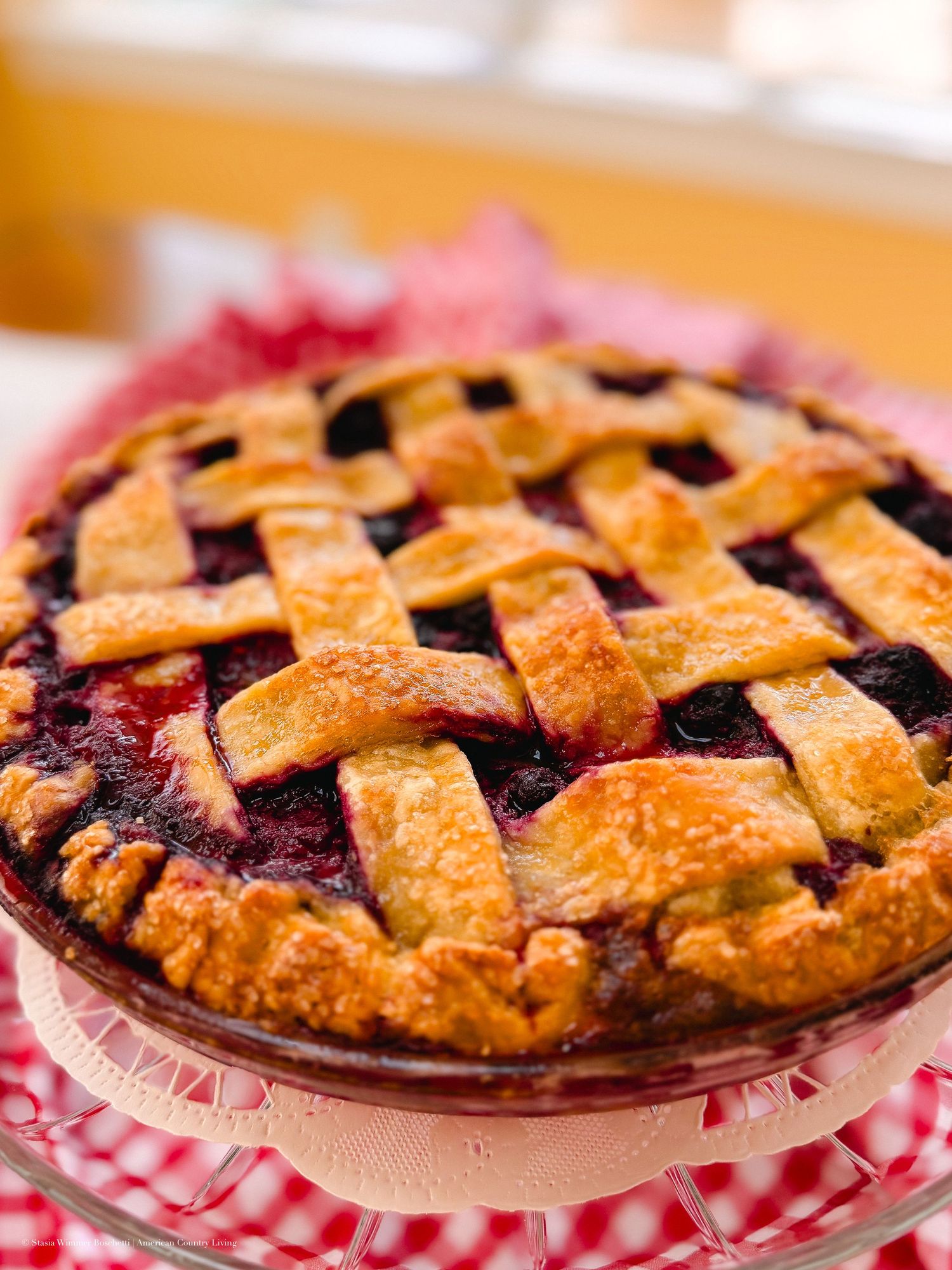
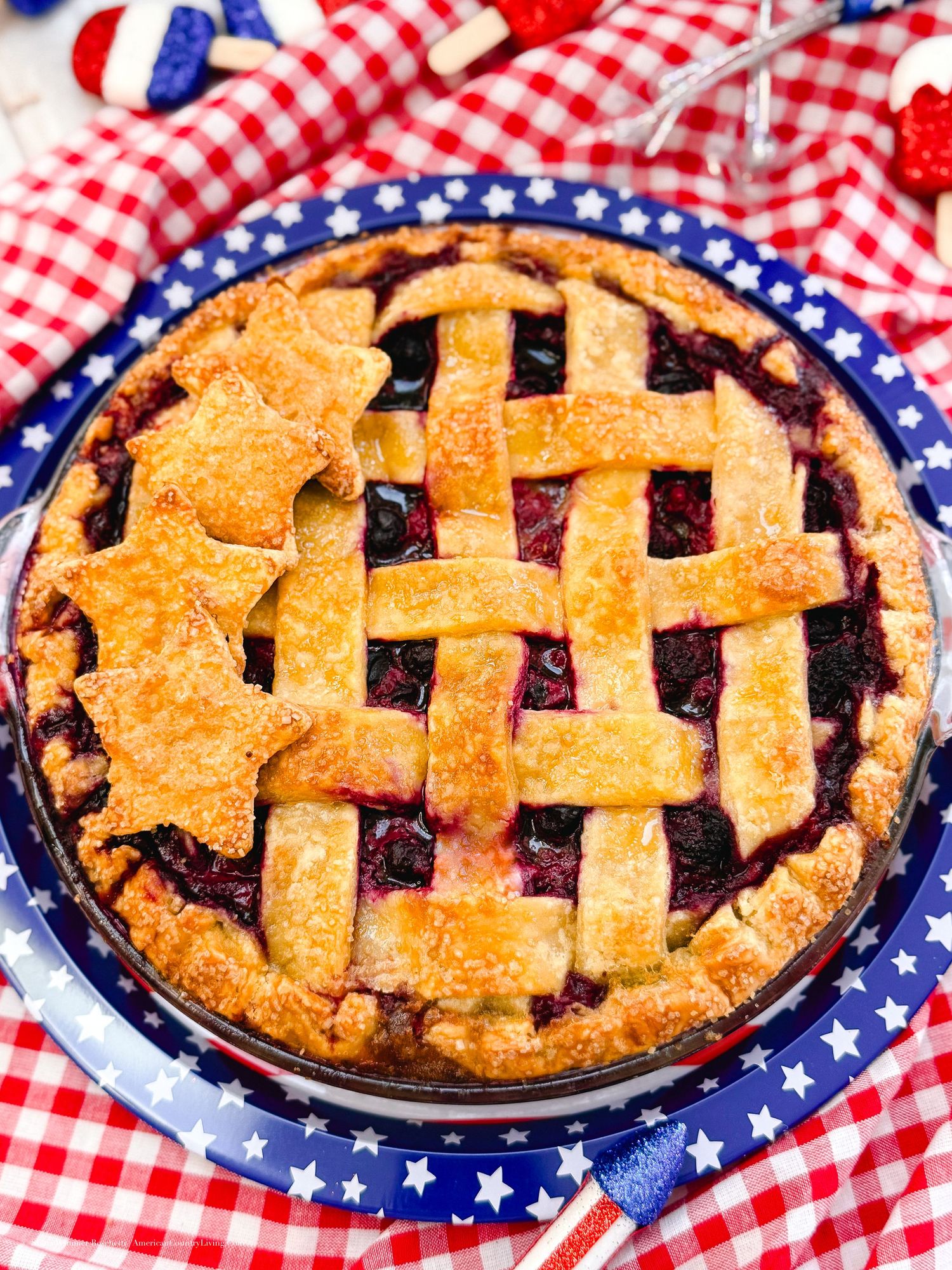
This Independence Pie combines blueberries, blackberries, and raspberries for a filling that is rich in flavor and beautiful when sliced. A grated Granny Smith apple adds natural pectin to help the filling set while blending seamlessly into the berries. The result is a pie with clean slices, vibrant fruit, and a flaky, buttery crust that holds everything together.
Whether you're baking this pie for Independence Day, a Sunday supper, or simply because the farmers market baskets were overflowing with berries, it brings the best of the American summer table to life. Serve it on your favorite platter, add a scoop of vanilla ice cream if you'd like, and enjoy watching everyone reach for another slice before dessert is even finished.
I hope you'll find a recipe to make, a story to enjoy, and maybe learn something new along the way. ♥️
Independence Pie Recipe
A Mixed Berry Pie for the Summer Table
This traditional American fruit pie uses ripe berries, a proper flaky crust, and just enough support to hold clean slices while keeping the jammy richness of summer fruit. Blueberries, blackberries, and raspberries combine for bright flavor and natural structure.
Prep Time: 35 minutes
Chill Time: 1 hour 30 minutes
Bake Time: 55 minutes
Total Time: 3 hours
Servings: 8
Ingredients
For the crust
2 1/2 cups all-purpose flour
3/4 teaspoon table salt
2 tablespoons sugar
1 cup (2 sticks) cold unsalted butter, cut into small cubes
6 to 8 tablespoons ice water
For the filling
5 to 6 cups mixed berries (about 2 1/2 cups blueberries, 1 1/2 cups blackberries, 1 to 1 1/2 cups raspberries)
3/4 cup sugar (adjust down slightly if berries are very sweet)
1/3 cup (about 5 to 6 tablespoons) cornstarch (or substitute quick-cooking tapioca or Instant ClearJel for clearer results; see notes)
1 small Granny Smith apple, peeled and grated (about 1/2 to 3/4 cup; wring lightly in a clean towel if very juicy)
1 tablespoon fresh lemon juice
1 teaspoon vanilla extract
Pinch of salt
To finish
1 tablespoon unsalted butter, cut into small pieces
1 egg, beaten with 1 tablespoon water (for egg wash)
Coarse sugar for sprinkling
Instructions
Make the crust:
- In a large bowl, whisk together the flour, salt, and sugar. Add the cold butter cubes and work in with your fingertips or a pastry blender until the mixture forms coarse crumbs with some flat, pea-sized pieces remaining. Add ice water 1 tablespoon at a time, mixing gently until the dough just comes together. It should look slightly rough, not smooth.
- Turn out onto a work surface, press together into a cohesive mass, divide into two discs, wrap tightly, and refrigerate for at least 1 hour (or up to 2 days).
Prepare the bottom crust:
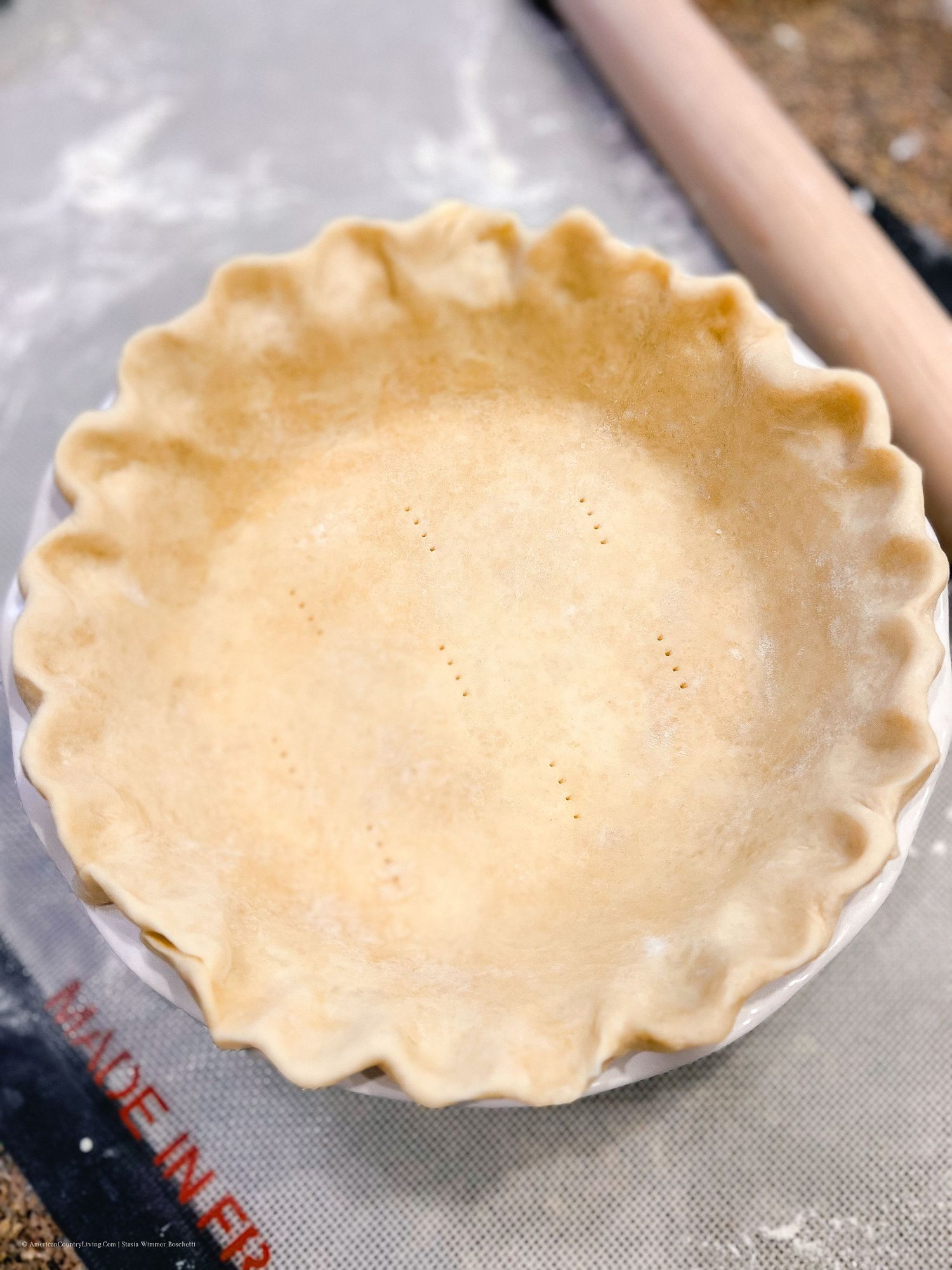
- Roll out one dough disc on a lightly floured surface to fit a 9-inch pie plate. Transfer to the plate, trim edges leaving a 1/2-inch overhang (for crimping later), and refrigerate while preparing filling.
- Optional but recommended for extra protection against sogginess: Brush the unbaked bottom crust lightly with some of the egg wash (this creates a sealed barrier).
Prepare the filling:
- In a small bowl, mash about 1/2 cup of the blueberries with a fork to create a natural thickening base.
- In a large bowl, gently toss the mixed berries with the sugar, lemon juice, vanilla, salt, and grated apple. Let sit for 15 to 20 minutes, stirring occasionally, until juices are released.
- If there's a lot of excess liquid pooled (especially with very ripe or frozen berries), drain off 2 to 4 tablespoons of juice (discard or reduce on stove and stir back in for concentrated flavor).
- Sprinkle the cornstarch (or tapioca/ClearJel) evenly over the fruit mixture and fold gently to coat thoroughly. The filling should look glossy and slightly thickened. If it still seems very loose, add 1 extra tablespoon thickener and mix well.
Assemble the pie:
- Pour filling into the prepared crust, spreading evenly. Dot with the butter pieces.
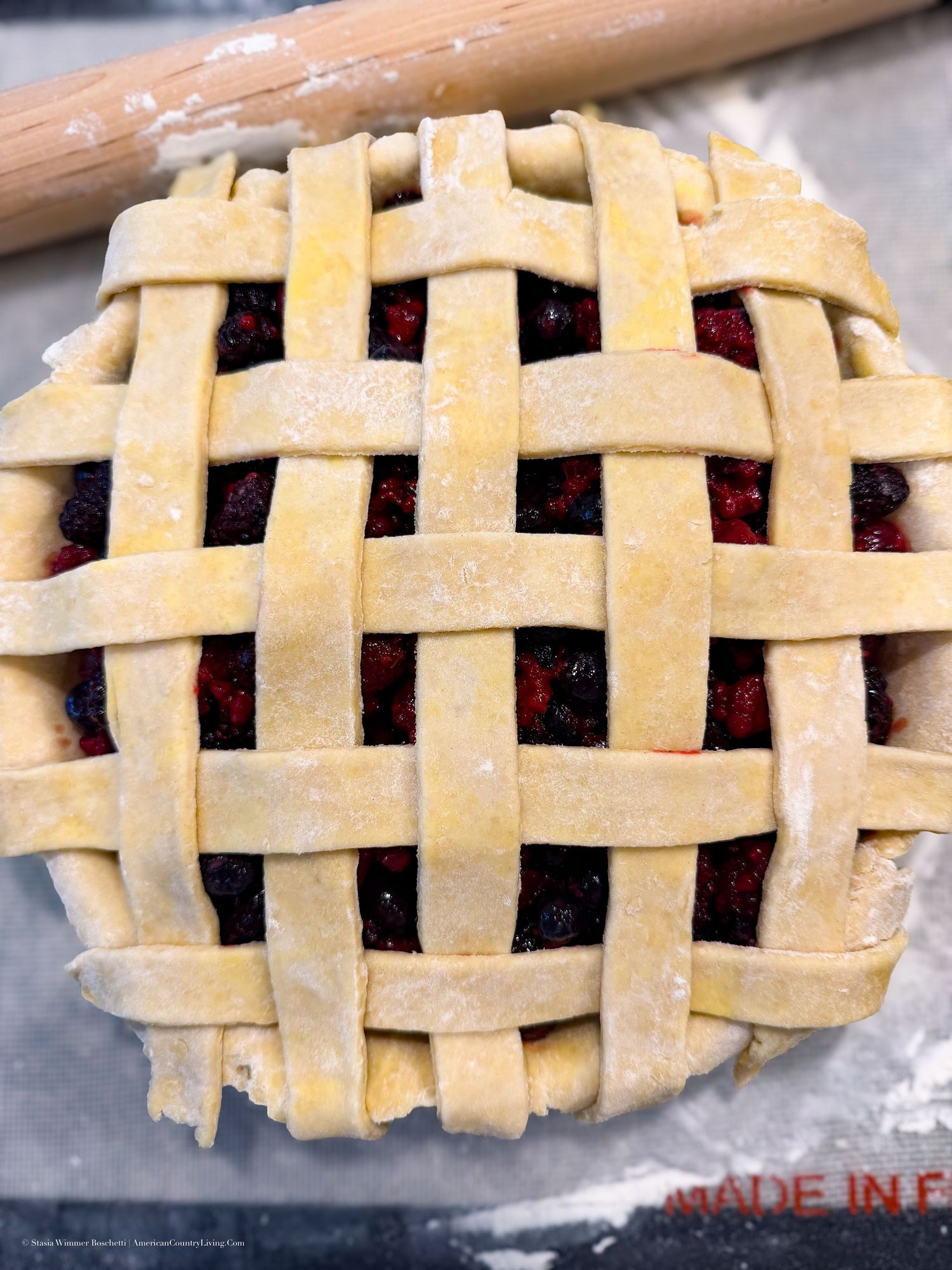
- Roll out the second disc. For best steam venting (helps prevent runniness), cut into strips and weave a lattice top, or place whole and cut 4 to 6 vents. Press edges to seal, trim excess, and crimp decoratively.
- Brush the top with egg wash and sprinkle generously with coarse sugar.
- For best shape and flakiness, refrigerate the assembled pie for 20 to 30 minutes (or up to 1 hour if your schedule allows).
Preheat and bake:
- While the pie chills (or toward the end of the chilling time), preheat the oven to 400°F. Position a rack in the lower third of the oven and place a baking sheet on it to catch drips.
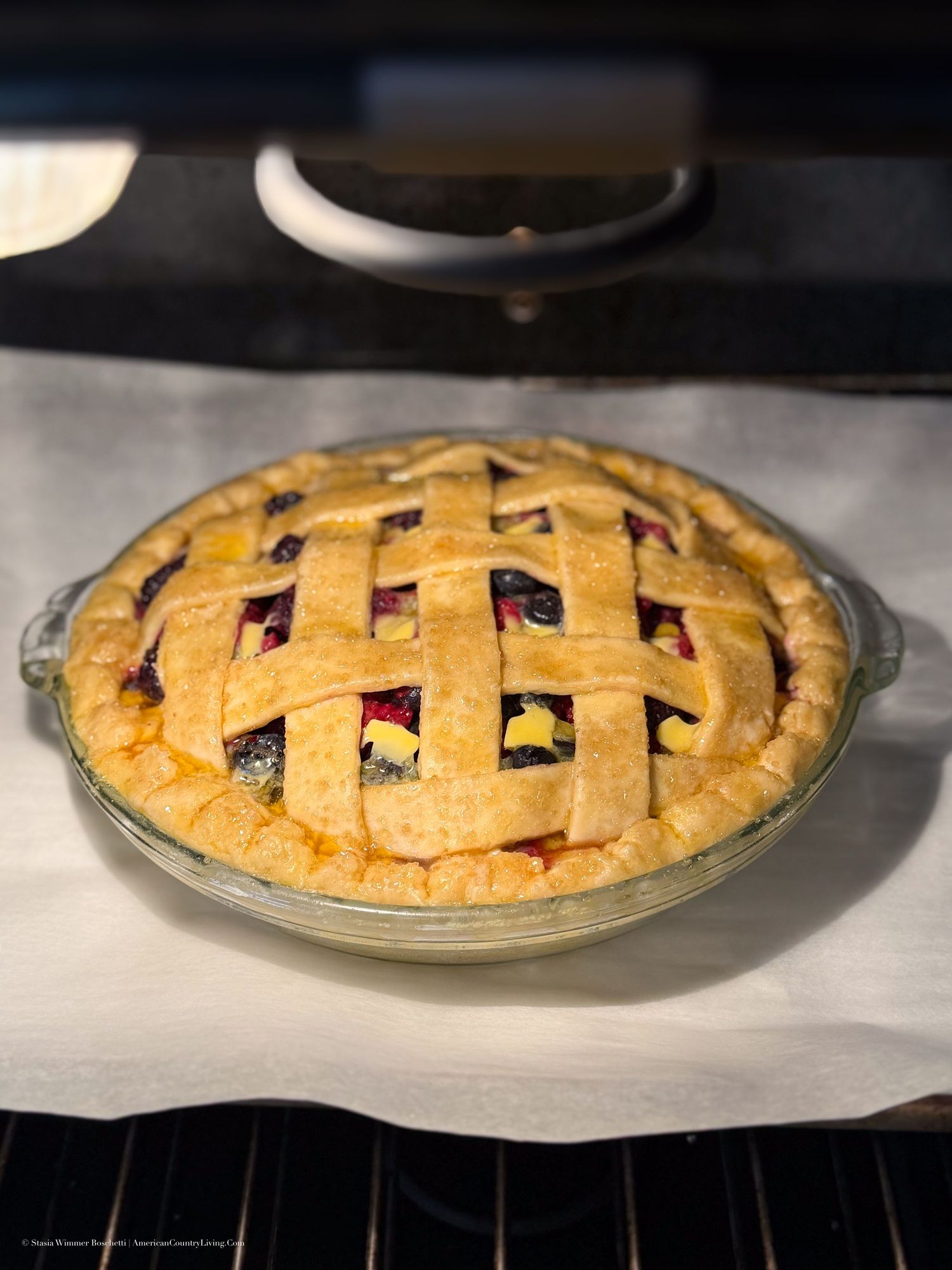
- Once the oven is preheated and the pie is well chilled, place the pie on the baking sheet. Bake at 400°F for 15 minutes, then reduce to 375°F and bake 40 to 50 minutes more, until the crust is deep golden and the filling bubbles actively in the center (not just the edges; this ensures full thickening). If the edges brown too quickly, cover loosely with foil.
Cool completely:
- Transfer to a rack and cool for at least 3 to 4 hours (ideally overnight in the fridge) before slicing. This is crucial. The filling sets fully as it cools for clean, sliceable pieces.
Thickener Notes
- Cornstarch works great for a glossy set; use the higher end if berries are extra juicy.
- Quick-cooking tapioca or Instant ClearJel often gives clearer, less cloudy results and handles berry acidity/juice better. Substitute 1:1 for cornstarch. Tapioca needs 15+ minutes of sitting time to hydrate fully.
Serving
- Serve at room temperature, perhaps with vanilla ice cream or fresh cream. Present whole on a beautiful plate, slice at the table, and enjoy the clean cut that showcases those vibrant berries.
Hey, Meemaw-In-Training™!
JOIN THE COMMUNITY
Consider this your invitation to become a Meemaw-In-Training™, at any age. A few times each month, I'll send recipes, garden projects, handcrafts, old-time traditions, useful household knowledge, and reports from whatever I'm currently attempting to learn. Subscribe and tie on your Meemaw-In-Training™ apron.
I'll save you a glass of sweet tea. 🍓

about the AUTHOr
Stasia is an American culinary writer, former caterer, and founder of American Country Living. Her work focuses on recipes, gardens, handcrafts, domestic traditions, and the practical skills worth carrying forward. As the resident Meemaw-In-Training™, she brings decades of cooking experience to the table while learning canning, gardening, preserving, needlework, and the household skills she still wants to master.