Homestyle Honey Cornbread
There are plenty of dinners when a pan of cornbread earns its place on the table. A pot of chili is simmering on the stove, soup needs something substantial alongside it, or supper is simply roast chicken, vegetables, and whatever can be pulled together before everyone gets hungry. Cornbread handles all of that very well.
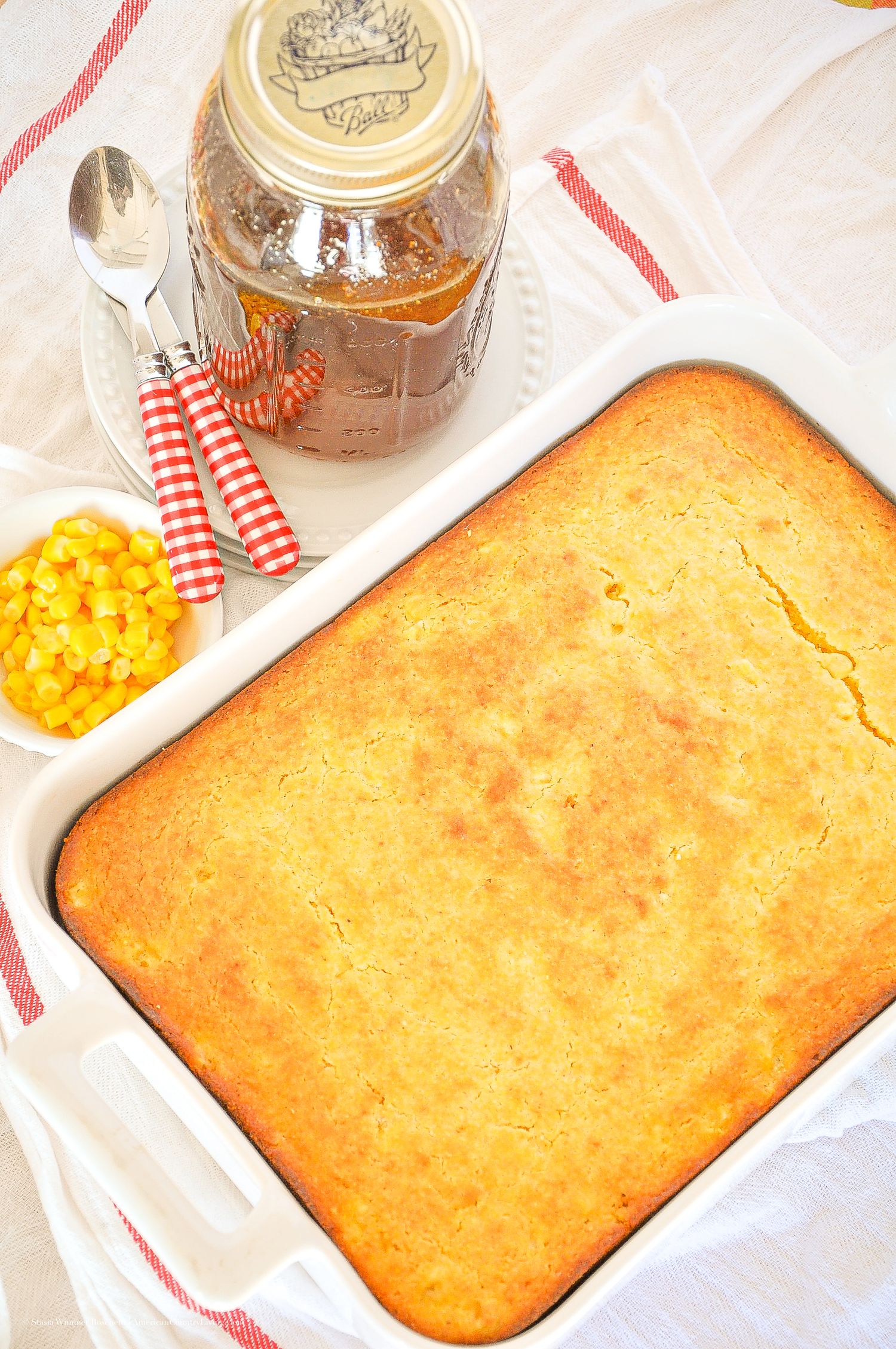
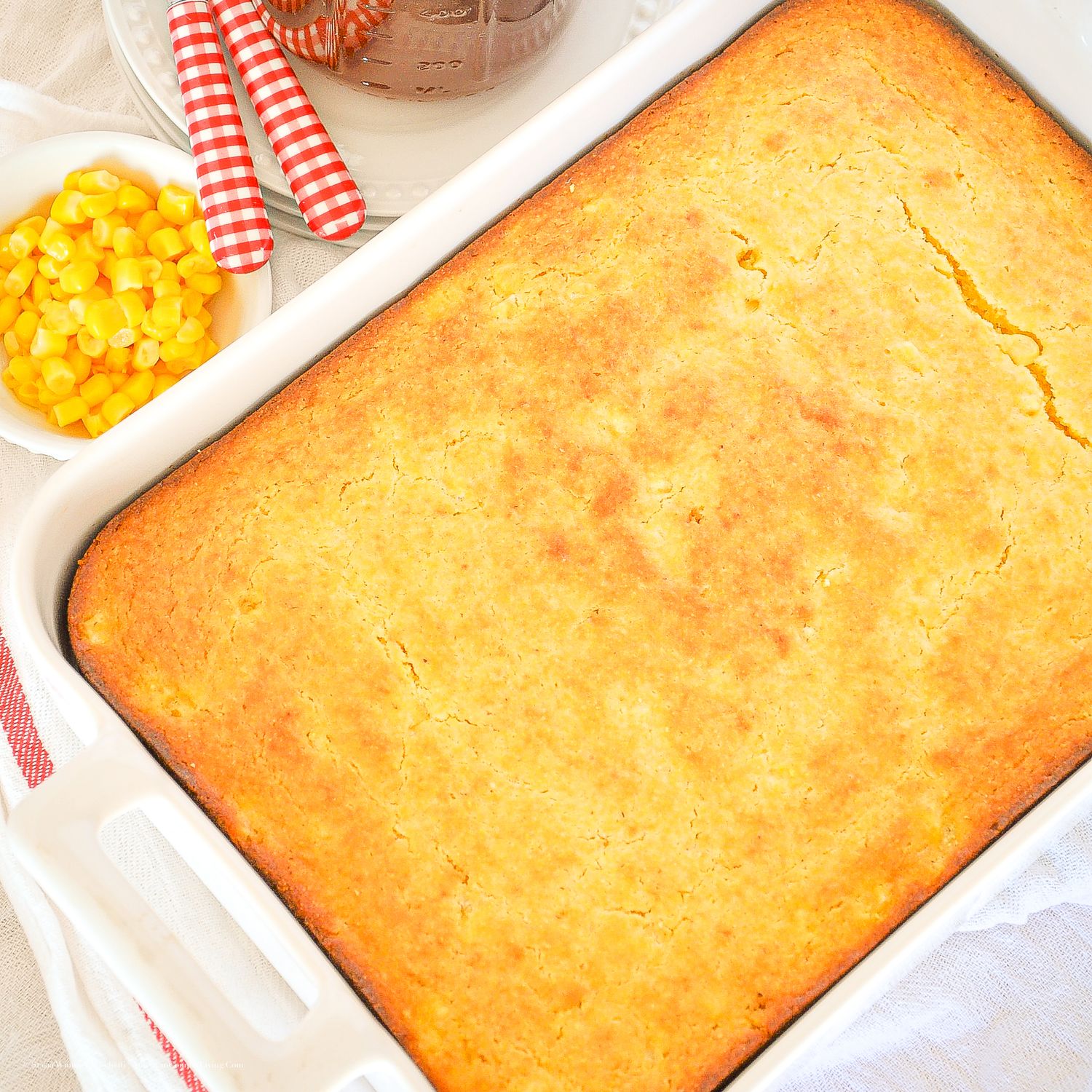
This Homestyle Honey Cornbread is the version I make when I want it tender, buttery, and a little sweet. It has cornmeal for that familiar grainy texture, buttermilk and sour cream to keep the crumb moist, melted butter for richness, and honey for a mild sweetness. I also add corn kernels to the batter, which gives you little bites of actual corn throughout the bread.
It is especially good warm from the oven with butter melting into the top.
Cornbread has been part of American cooking for centuries, although the story begins long before there was an American South. Indigenous peoples throughout the Americas cultivated corn and developed many ways of grinding and cooking it. Smithsonian records of Pueblo cooking describe corn being ground for breads and combined with foods such as beans, squash, and pumpkin. The Southern Foodways Alliance also documents Native American preparations made from crushed green corn and from cornmeal mixed with water and fat.
As European settlers adapted to ingredients available in North America, cornmeal became increasingly important in colonial kitchens. By the eighteenth century, cornmeal cakes such as johnnycakes and hoecakes were established American foods. The National Park Service identifies johnnycakes as an eighteenth-century breakfast staple, usually cooked on a griddle.
Cornbread became particularly important throughout the South, where generations of Native American, African American, and European cooks shaped the region's cooking. By the Civil War era, cornmeal breads were common enough that National Park Service educational records list cornbread among familiar Southern foods and describe Confederate soldiers relying heavily on corn and rice for bread.
And then there is the question that can start an argument in a Southern kitchen faster than almost anything else: Does sugar belong in cornbread?
There really is no single family answer. Older Southern preparations were often very simple and unsweetened, while sweetened versions became increasingly common as milling methods and household recipes changed. The Southern Foodways Alliance has documented Southern cooks whose family cornbread included sugar, which is a useful reminder that regional cooking has always contained variations from household to household.
Mine lands firmly on the sweeter side.
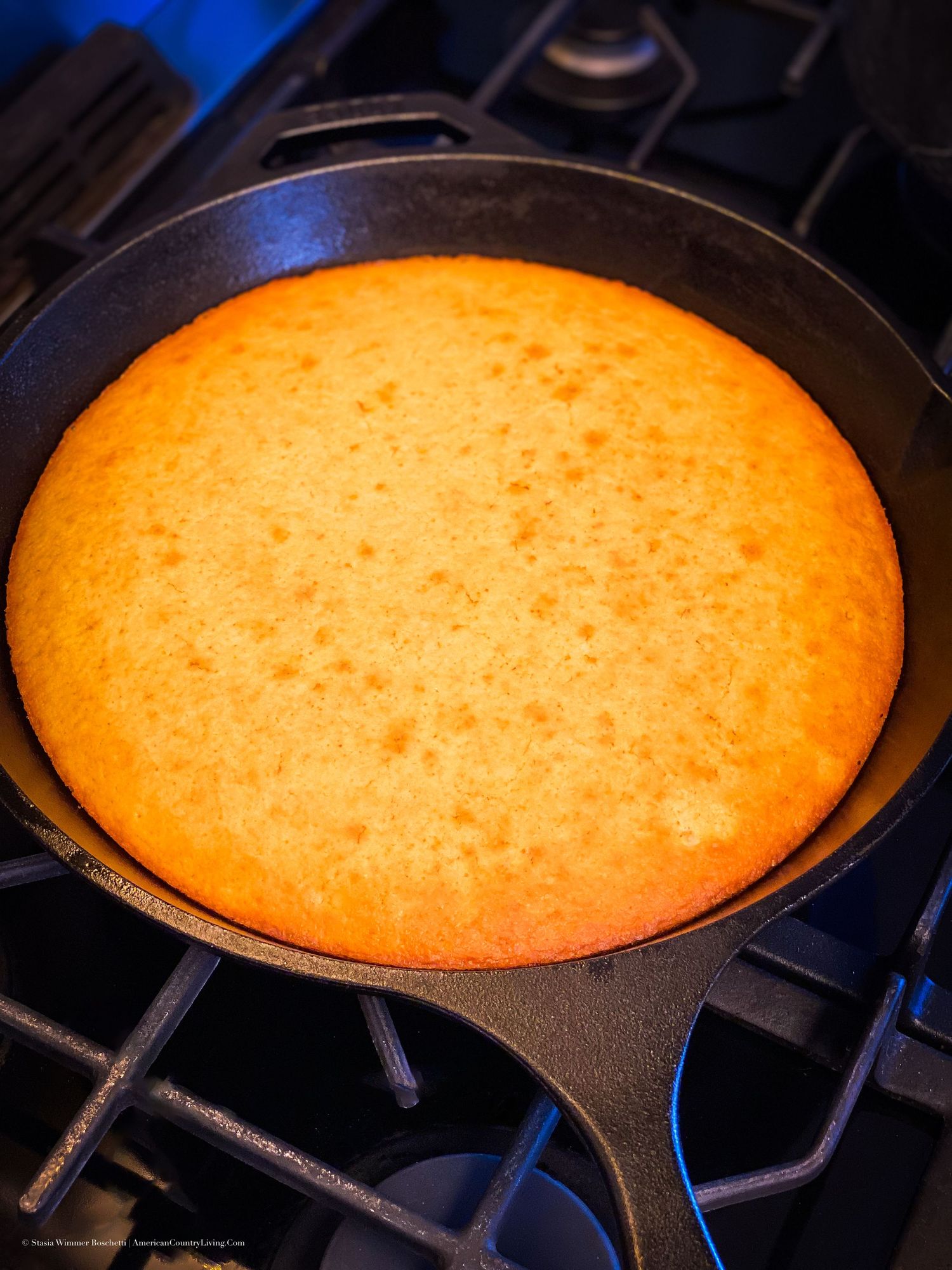
The combination of sugar and honey gives this cornbread enough sweetness to eat with breakfast, but I still serve it at supper. The cornmeal keeps it grounded firmly in cornbread territory, while the sour cream and buttermilk give it a softer texture than a more traditional skillet cornbread.
What Makes This Cornbread So Moist
Sour cream does a great deal of the work here. A full 1 1/4 cups goes into the batter, along with buttermilk and an entire stick of melted butter. That combination produces a bread that stays tender instead of becoming dry and crumbly as soon as it cools.
The corn kernels help too. I use 3/4 cup of fresh or frozen corn. If you are using fresh corn, cook it first. Frozen corn should be thawed and drained well so you are not adding unnecessary water to the batter.
And do not overmix it. Once the wet and dry ingredients come together, stir only until everything is incorporated. Cornbread batter does not need vigorous beating.
What to Serve With Honey Cornbread
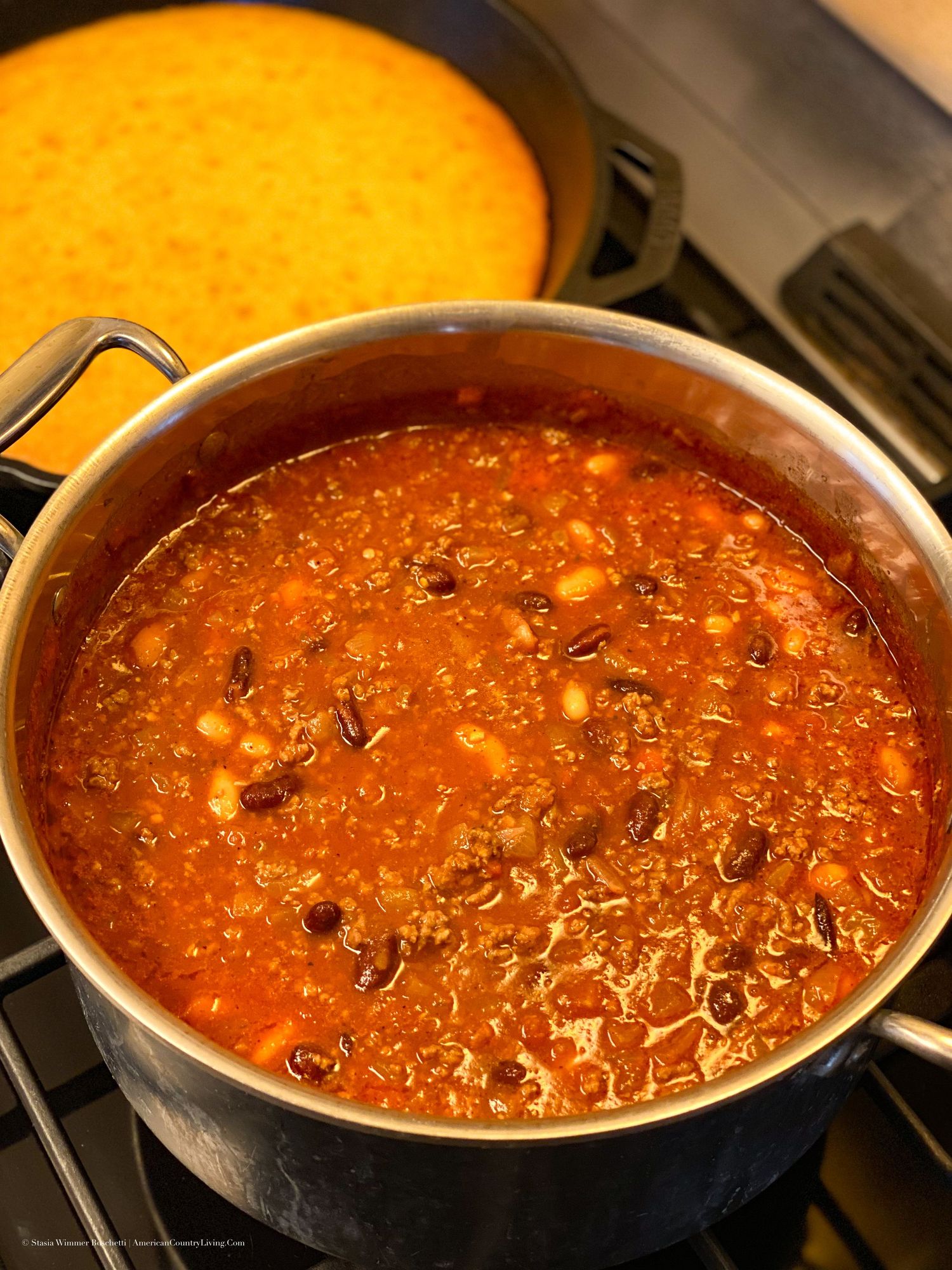
My first choice is a bowl of chili, especially Giovanni's Chili. Put the chili in a deep bowl, add a square of warm cornbread alongside it, and dinner is handled.
It also works beautifully with beef stew, vegetable soup, barbecue, pulled pork, roast chicken, baked beans, ham, or a pot of greens.
For breakfast, warm a leftover square and spread it with salted butter and a little more honey. Coffee alongside is highly recommended.
And if a corner piece disappears from the pan while you are getting dinner onto the table, I know absolutely nothing about it.
Until next time, thank you for spending a little time with me. I hope you'll find a recipe to make, a story to enjoy, and maybe learn something new along the way. ♥️
Chili recipe: GIOVANNI'S chili
Homestyle Honey Cornbread
PREP TIME: 15 MINUTES
COOK TIME: 25 minutes
OVEN TEMPERATURE: 400°F
SERVINGS: 8 SERVINGS
Ingredients:
1 cup all-purpose flour
1 1/4 cups cornmeal
1/2 cup sugar
1/2 teaspoon baking soda
1/2 teaspoon baking powder
1/2 teaspoon salt
1 egg, beaten
1 1/4 cups sour cream
1/3 cup buttermilk
1/2 cup unsalted butter, melted (1 stick)
2 1/2 tablespoons honey, slightly warmed
3/4 cup fresh or frozen corn, cooked if fresh or thawed and drained if frozen
Instructions:
- Preheat the oven to 400°F.
- Lightly butter an 8-inch square baking dish.
- In a large mixing bowl, combine the flour, cornmeal, sugar, baking soda, baking powder, and salt. Whisk well and set aside.
- In a separate bowl, mix together the beaten egg, sour cream, buttermilk, melted butter, and honey.
- Gently stir the wet ingredients into the dry ingredients just until combined.
- Fold in the corn.
- Pour the batter into the prepared baking dish and spread it evenly.
- Bake for about 25 minutes, or until the center is set and a toothpick inserted near the center comes out clean.
- Let the cornbread cool for a few minutes before slicing and serving.

about the AUTHOr
Stasia Boschetti is an American culinary writer and the founder of American Country Living. With more than thirty years of experience in the kitchen, a background in catering, extensive travel, and a strong knowledge of regional food traditions, she writes about the recipes, histories, and customs that have shaped the way America cooks. She lives in the United States with her husband, family, and rescue animals.