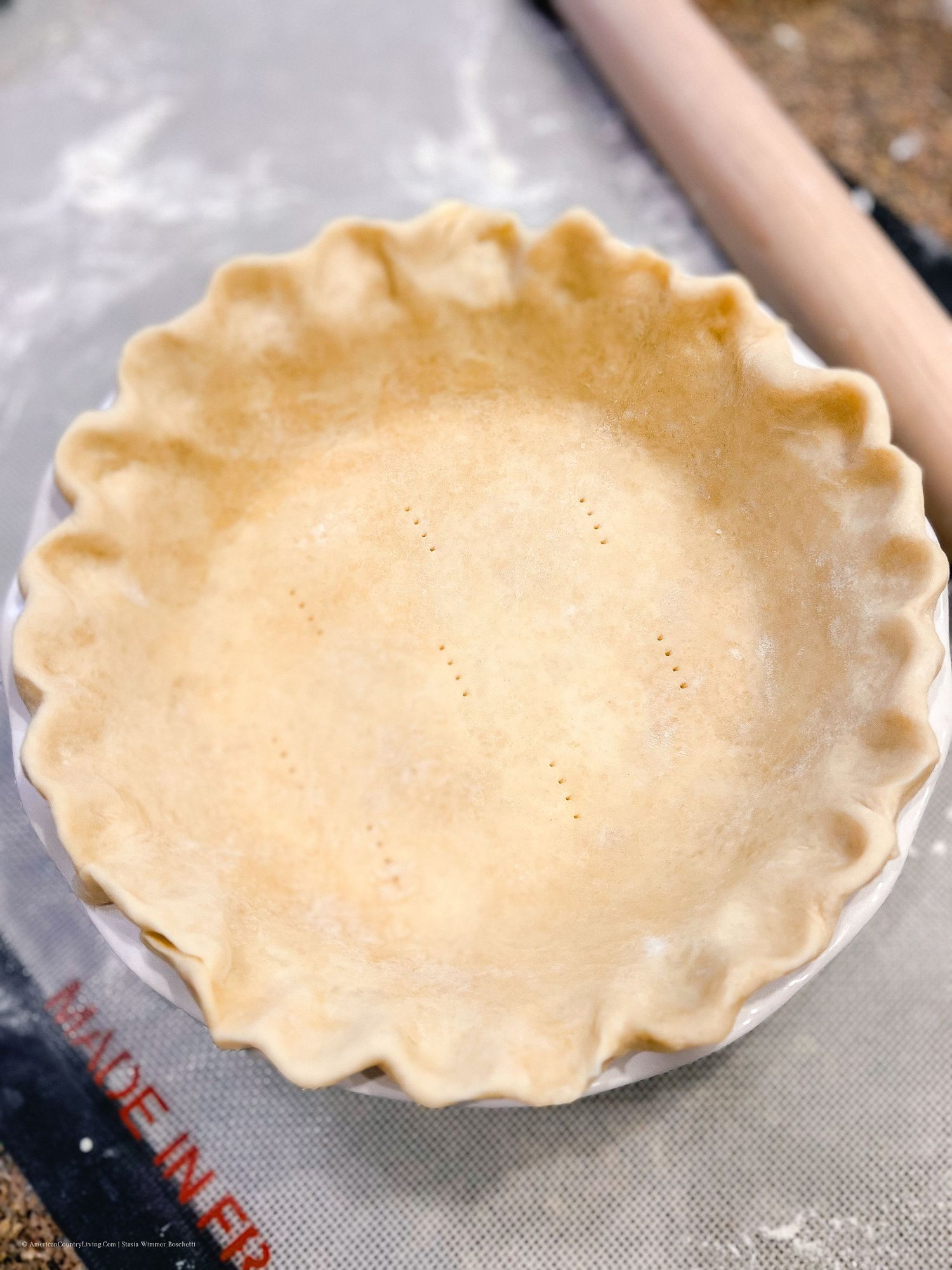
The Perfect All-Butter Pie Crust
Before pie became the familiar American dessert we know today, its pastry had a far more practical job.
English settlers brought their pie-making traditions to North America, where pies became deeply rooted in American cooking. Earlier English pies could be enclosed in thick, sturdy pastry shells known as “coffins,” a word that once referred to a box or container. These substantial crusts could stand on their own and were used to hold meat and other fillings during baking. In some preparations, the pastry served primarily as a cooking vessel rather than the tender, flaky part of the pie we expect to eat today.
American cooks gradually made pie their own. In the colonies, greater availability of pork fat helped produce lighter, flakier crusts, and pies filled with apples and other fruits that grew well along the Atlantic coast became part of the developing American table. By the nineteenth century, pie was firmly established in American home cooking, appearing in countless forms according to season, region, and what a household had available.
The crust mattered then, and it still does.
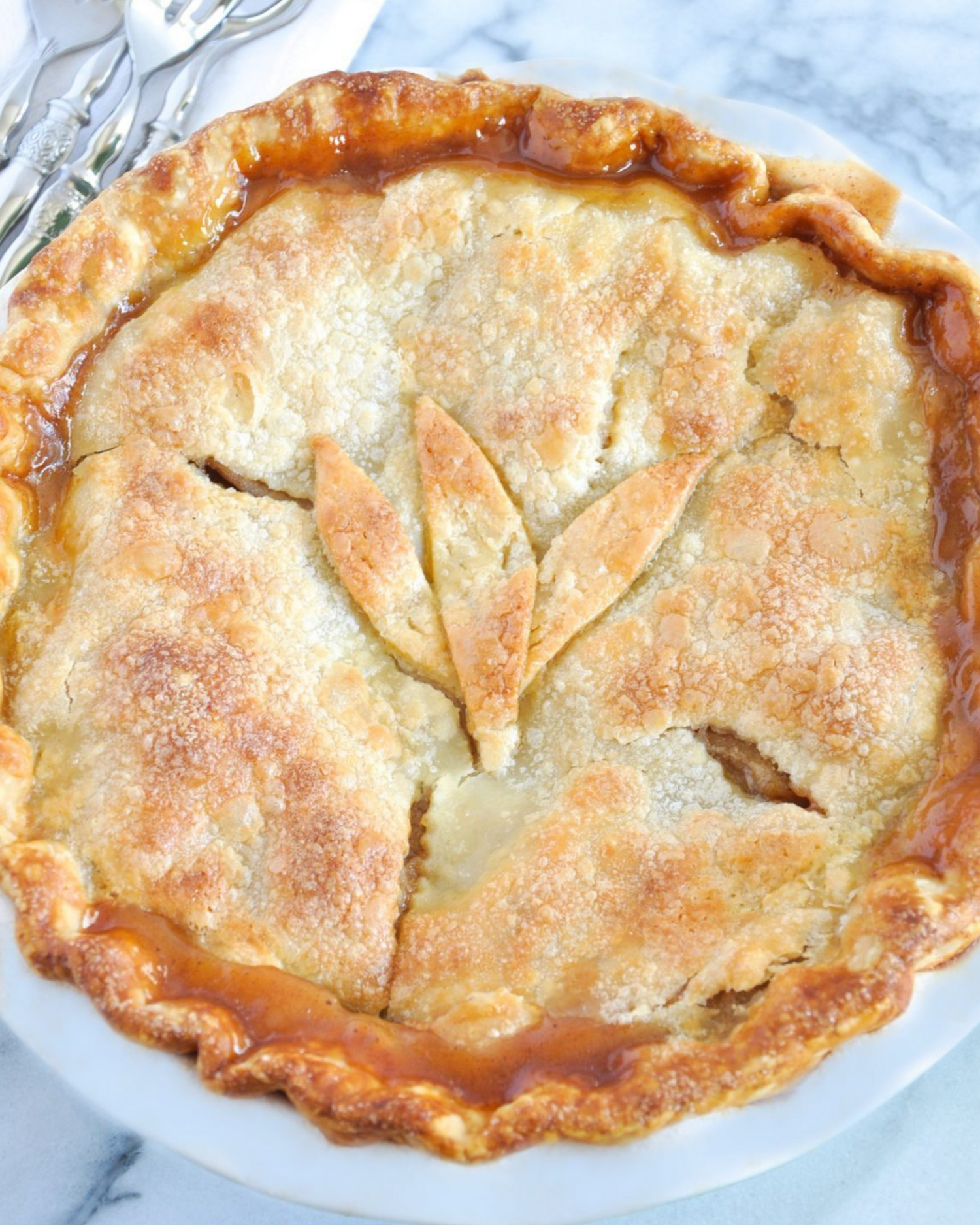
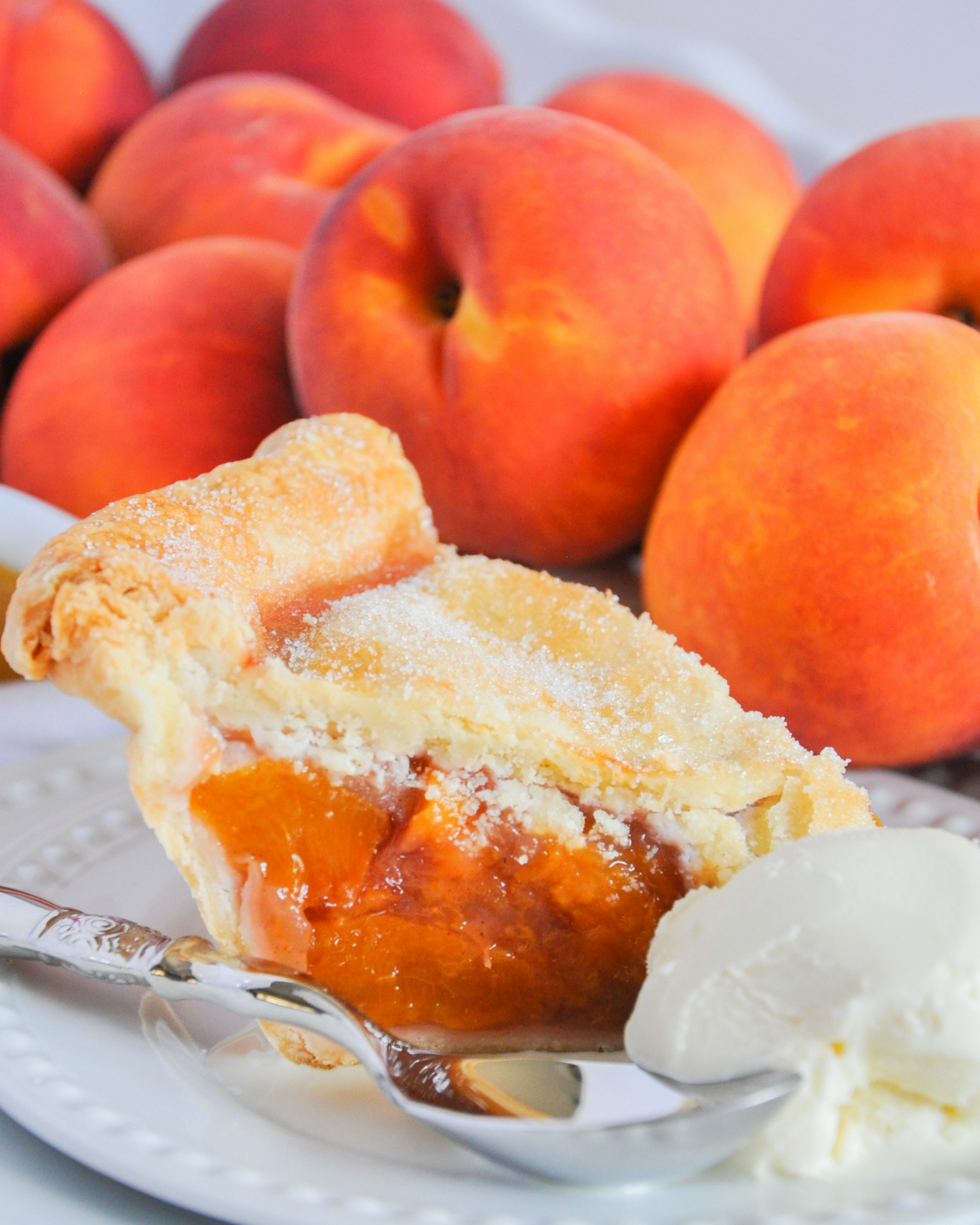
A well-made pie crust should be tender enough to break easily with the side of a fork, sturdy enough to hold its filling, and flaky enough that you can see the layers along the cut edge of a slice. An all-butter crust adds another dimension: flavor.
Why All Butter?
Pie dough can be made with several fats. Lard has a long history in American pie making, and vegetable shortening became a common choice in twentieth-century kitchens. I prefer butter for the flavor it gives the finished pastry and the way it browns in the oven.
Butter is generally about 80 percent milk fat, with most of the remainder made up of water and milk solids. That small amount of water plays an important role in pastry. As cold pieces of butter melt in a hot oven, their water turns to steam, helping separate and lift the surrounding dough. Keeping visible pieces of butter in the dough is part of what gives a properly made crust its flaky structure.
The milk solids also contribute flavor and browning. A finished all-butter crust should be golden around the crimped edge and properly baked across the bottom, with a rich, toasted butter flavor.
Temperature matters. So does knowing when to stop working the dough.
Practical Notes From My Kitchen
I cube the butter first and put it back in the refrigerator while I measure the flour and the remaining ingredients. If the kitchen is especially warm, chilling the mixing bowl for ten minutes helps keep everything cold from the beginning.
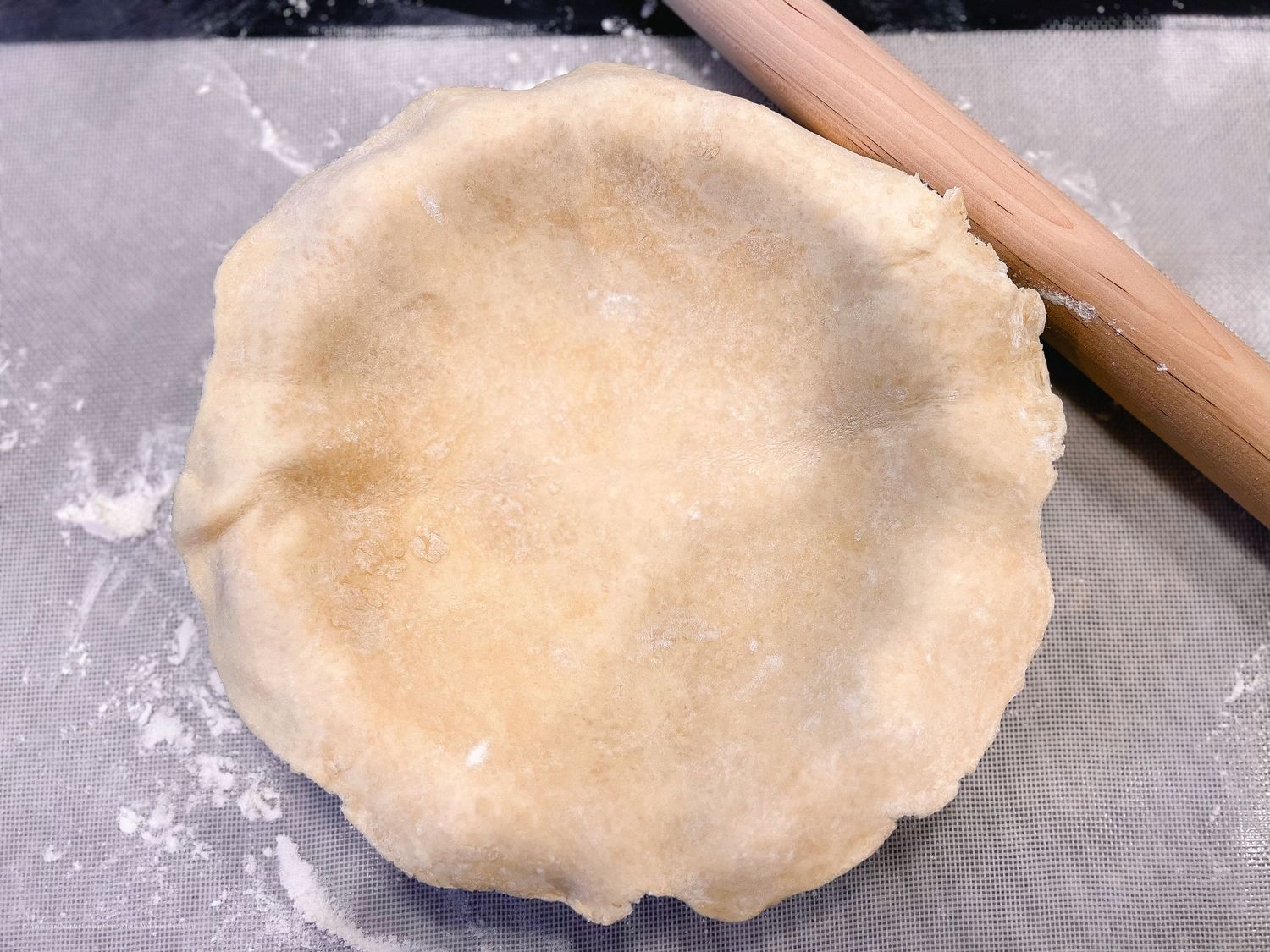
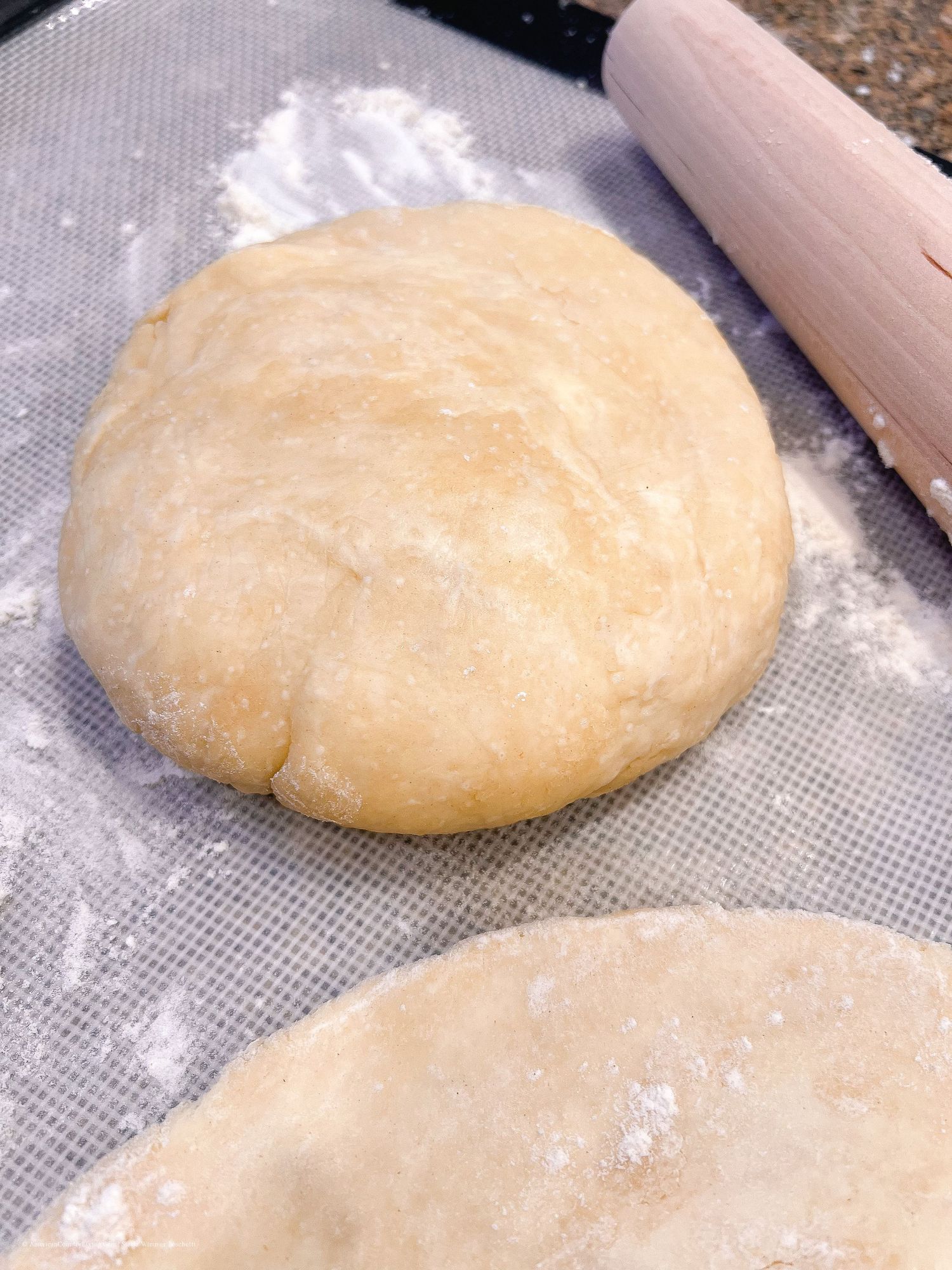
Add only enough ice water for the dough to hold together when pressed between your fingers. Pie dough should look rough and shaggy before it is gathered into a disk. A smooth, heavily worked dough usually means it has been handled more than necessary.
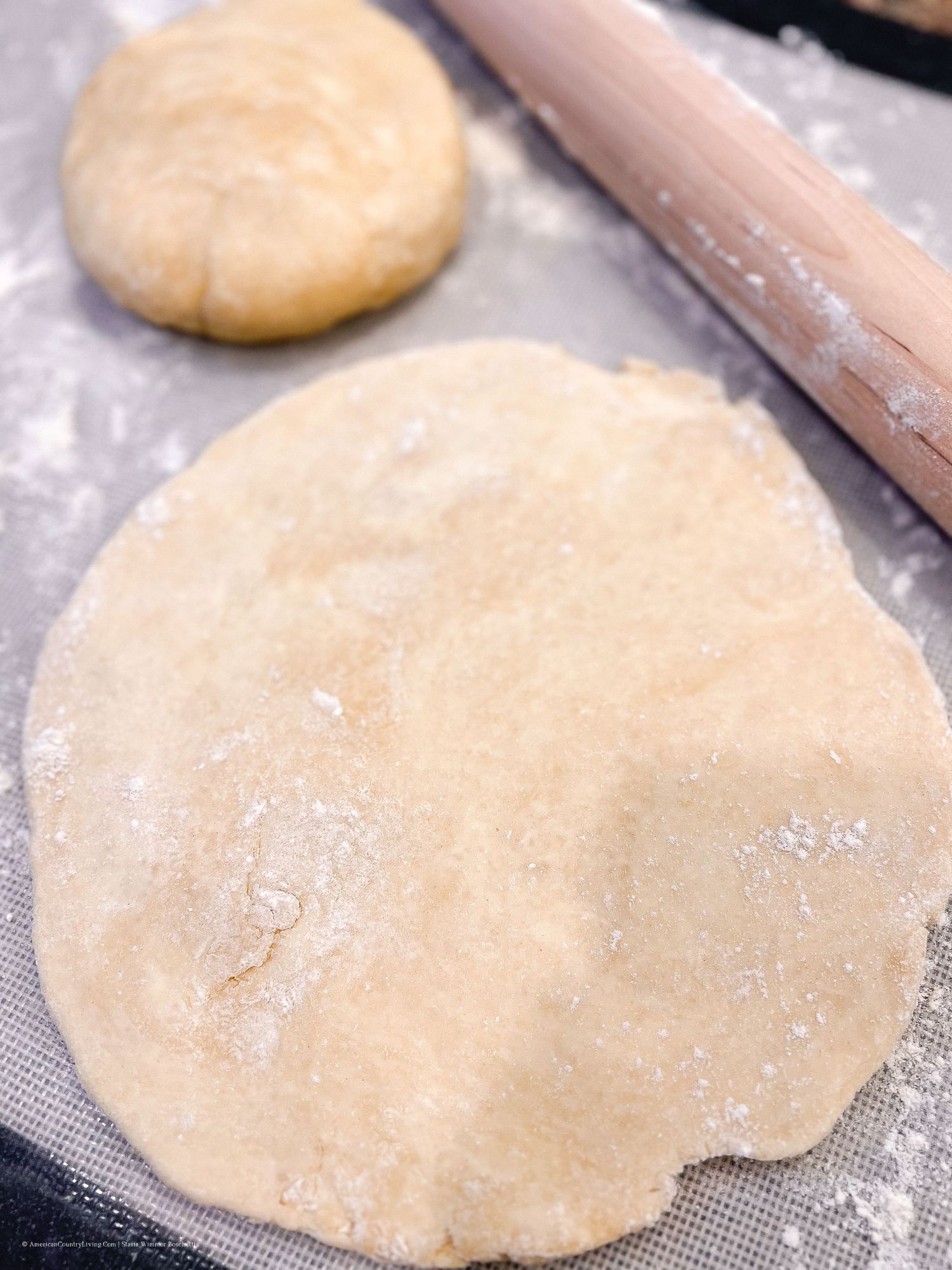
The same rule applies when rolling. Use enough flour to prevent sticking, turn the dough as you work, and pay attention to the butter. If the dough begins to feel soft or sticky, put it back in the refrigerator for ten or fifteen minutes. There is no prize for racing warm pie dough into a pie plate.
Once you learn the feel of it, homemade pie dough becomes useful far beyond a single dessert. This is the crust I want beneath apples and cinnamon in October, pecans at Thanksgiving, a lemon or chocolate cream filling, and the eggs, cheese, and cream of a savory quiche.
It is also a piece of kitchen knowledge worth learning with your hands. You begin to recognize when the butter is cold enough, when the flour has enough water, when the dough needs another dusting of flour, and when it needs to go back into the refrigerator.
Those small judgments are difficult to learn from a package. They come from making pie.
A dependable pie crust gives you a foundation you can return to again and again, changing the filling with the season and the occasion. Flour, butter, salt, cold water, and a little practice are enough to begin.
Until next time, thank you for spending a little time with me. I hope you find a recipe to make, a story to enjoy, and something new to take into the kitchen. ♥️
All-Butter Pie Crust Recipe
Prep Time: 15 minutes
Chill Time: 30 minutes
Yield: 1 double-crust pie or 2 single-crust pies
Ingredients:
2 1/2 cups all-purpose flour
1 teaspoon salt
1 teaspoon sugar, optional for sweet pies
1 cup (2 sticks) unsalted butter, very cold and cut into small cubes
1/4 to 1/2 cup ice water
Instructions:
1. Mix the dry ingredients
- In a large bowl, whisk together the flour, salt, and sugar, if using. No sifting is necessary.
2. Cut in the butter
- Add the cold, cubed butter. Using a pastry cutter or your fingertips, work the butter into the flour until the mixture is crumbly with visible pieces of butter ranging from pea-size to slightly larger, flattened pieces.
- Do not work the butter completely into the flour. Those cold pieces of butter create steam as the crust bakes, helping produce flaky layers.
- If your kitchen is warm or the butter begins to soften, place the bowl in the refrigerator for 10 to 15 minutes before continuing.
3. Add the ice water
- Drizzle 1/4 cup ice water over the flour mixture. Toss gently with a fork until the dough begins to form rough, shaggy clumps.
- Add more ice water, 1 tablespoon at a time, just until a handful of dough holds together when pressed between your fingers. Depending on the flour and humidity in your kitchen, you may not need the entire 1/2 cup.
- Avoid kneading or vigorously mixing the dough. Stop as soon as it holds together.
4. Chill the dough
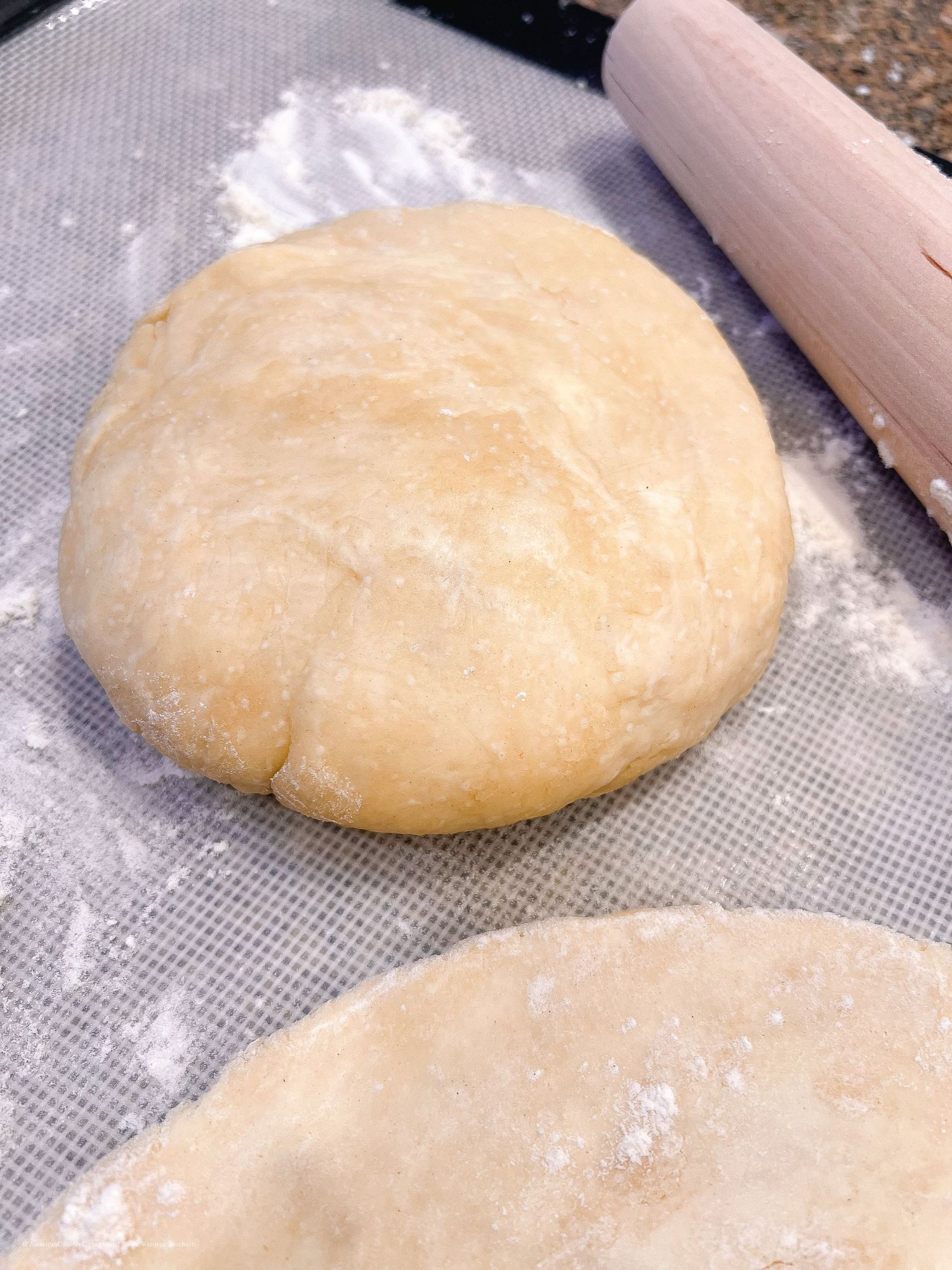
- Turn the dough onto a lightly floured work surface and divide it in half. Gently press each half into a disk about 1 inch thick. Wrap tightly and refrigerate for at least 30 minutes before rolling.
- Chilling gives the flour time to absorb the water, allows the dough to relax, and firms the butter before rolling.
5. Roll and shape
- Lightly flour the work surface and rolling pin. Roll one disk into a circle approximately 12 inches across and 1/8 inch thick, turning the dough a quarter turn occasionally as you roll to help maintain an even circle and prevent sticking.
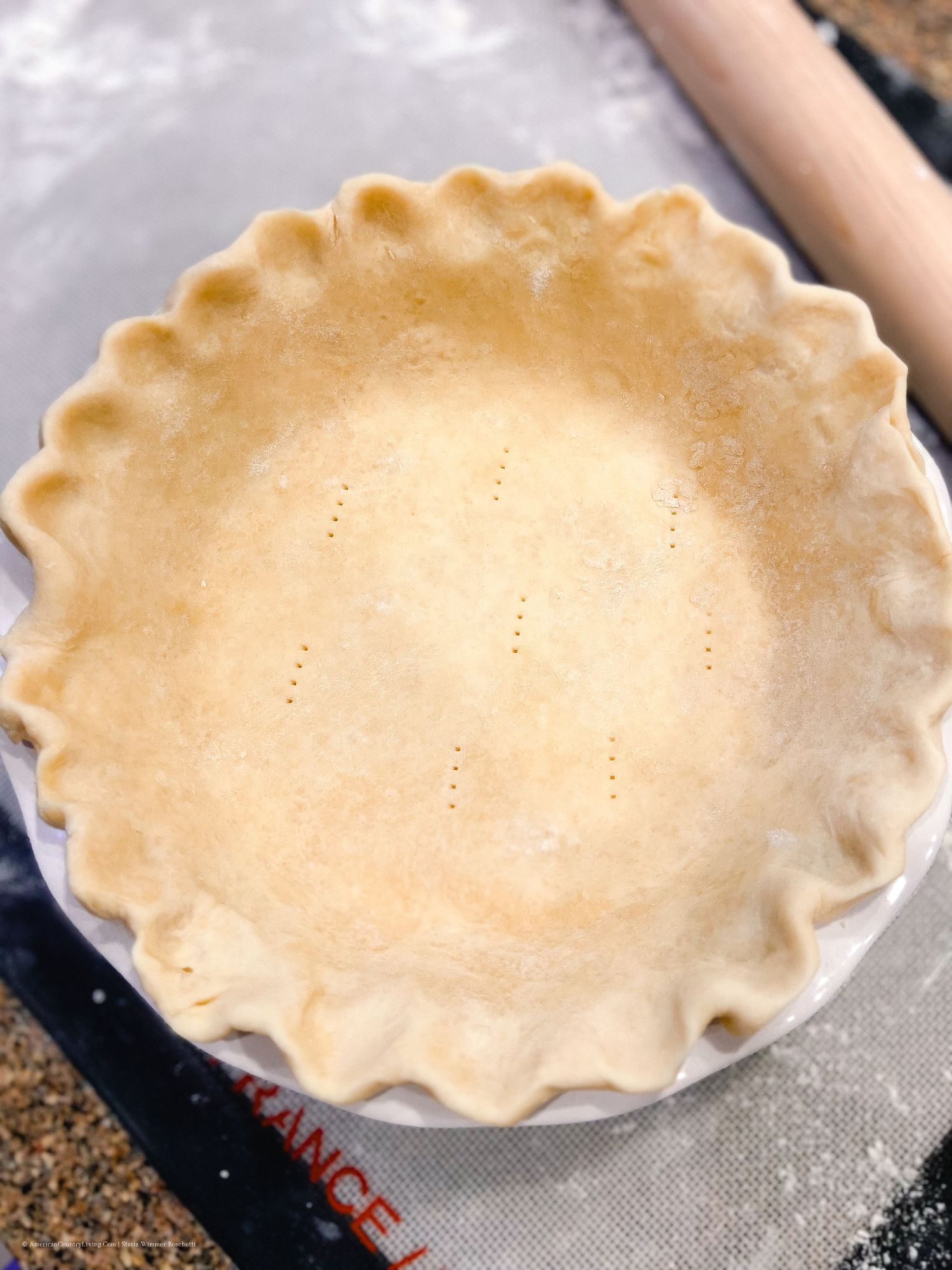
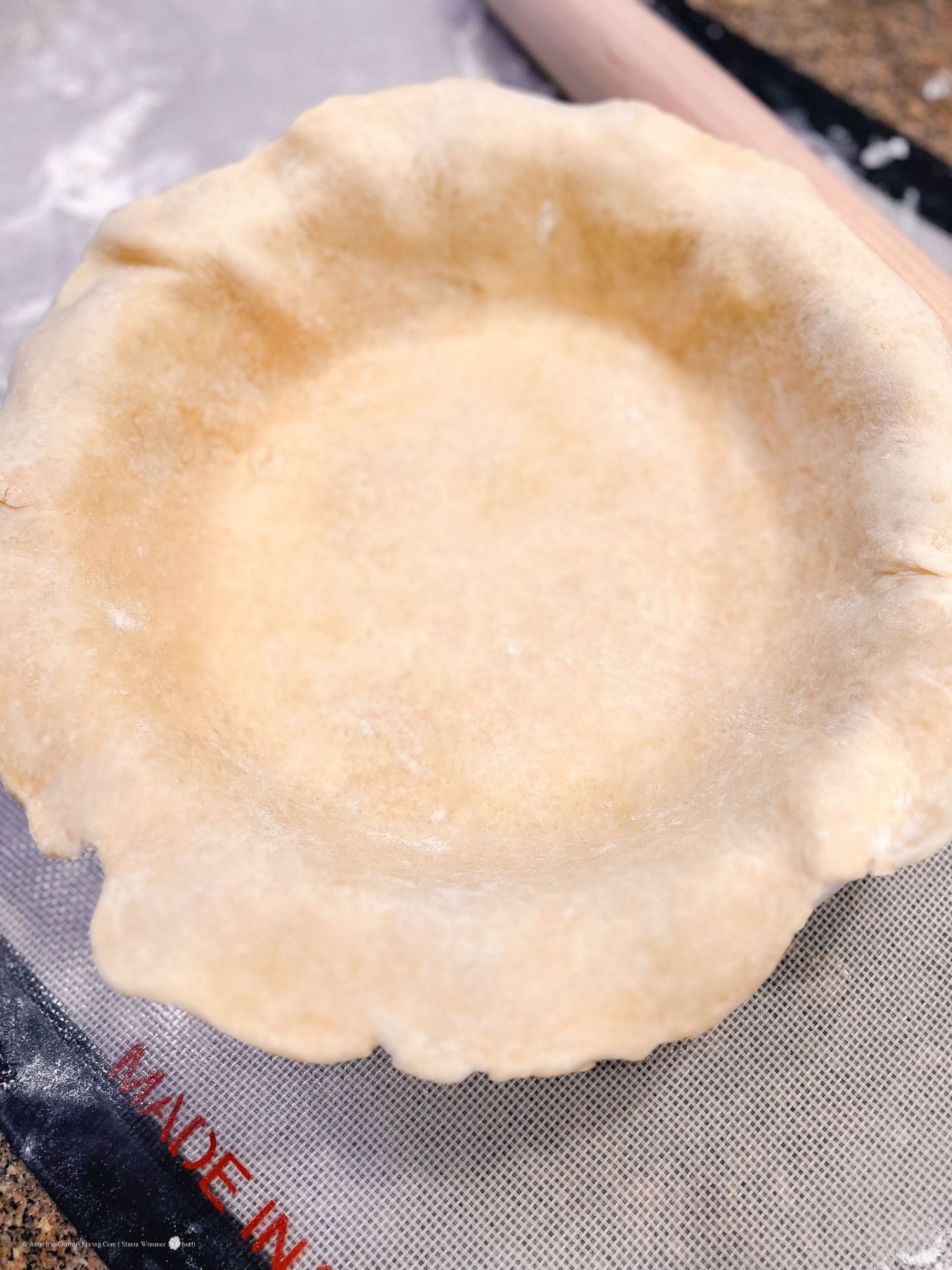
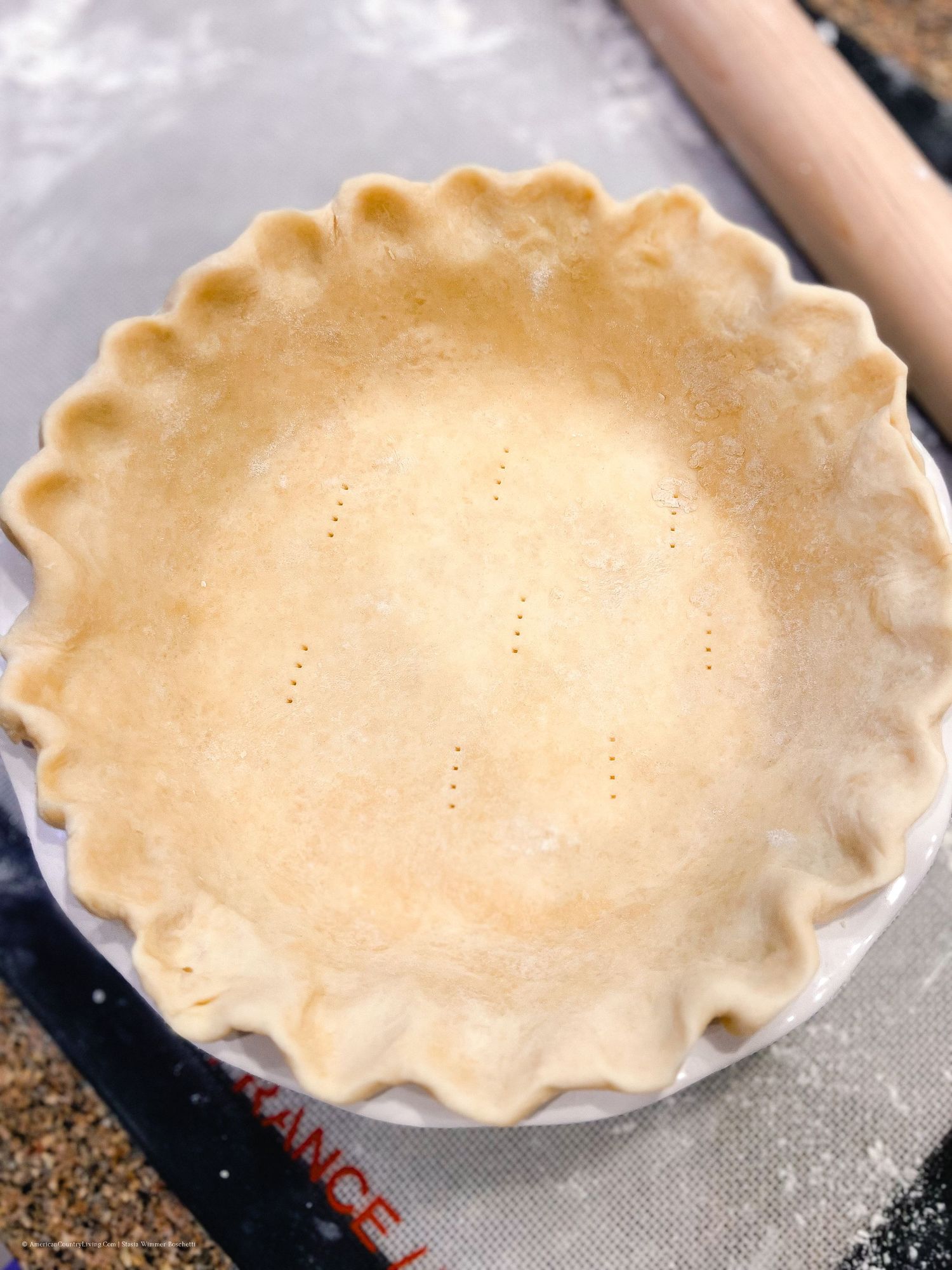
- Transfer the dough to a 9-inch pie plate without stretching it. Gently ease it into the bottom and sides of the plate. Trim the dough, leaving about 1 inch of overhang, then fold the overhang under and crimp or flute the edge as desired.
- For a double-crust pie, roll the second disk after adding the filling and use it for the top crust.
For a Quiche or Baked Custard Pie: Par-Bake the Crust
- For quiche and pies in which the filling will continue baking in the crust, par-baking helps keep the bottom crust crisp once the liquid filling is added.
- Heat the oven to 375°F.
- Fit the rolled dough into the pie plate and shape the edge. Refrigerate the prepared crust for at least 20 to 30 minutes, or until firm.
- Line the chilled crust with parchment paper or foil, allowing enough overhang to lift it out easily. Fill the crust with pie weights, dried beans, or dry rice, making sure the weights reach well up the sides.
- Bake for 15 to 20 minutes, or until the edges are set and beginning to take on a little color.
- Carefully remove the parchment and weights. Prick the bottom of the crust a few times with a fork, then return it to the oven for 5 to 8 minutes, until the bottom looks dry and is just beginning to color.
- Add the quiche or baked custard filling and continue baking according to the individual recipe.
For Cream Pies and Other No-Bake Fillings: Fully Blind-Bake the Crust
- Cream pies, pudding pies, and other fillings that are cooked separately require a completely baked crust before filling.
- Heat the oven to 375°F.
- Fit and shape the dough in the pie plate, then refrigerate for at least 20 to 30 minutes.
- Line the chilled crust with parchment paper or foil and fill with pie weights, dried beans, or dry rice.
- Bake for 15 to 20 minutes, until the edges are set and lightly golden.
- Carefully remove the parchment and weights. Prick the bottom lightly with a fork and return the crust to the oven for another 10 to 15 minutes, or until the bottom and sides are evenly golden brown.
- Cool the crust completely before adding a chilled cream, pudding, or other no-bake filling.
- Look for color. A properly baked all-butter crust should be golden across the bottom as well as around the edge. That color brings the toasted, buttery flavor that a pale crust never develops.

about the AUTHOr
Stasia Boschetti is an American culinary writer and the founder of American Country Living. With more than thirty years of experience in the kitchen, a background in catering, extensive travel, and a strong knowledge of regional food traditions, she writes about the recipes, histories, and customs that have shaped the way America cooks. She lives in the United States with her husband, family, and rescue animals.