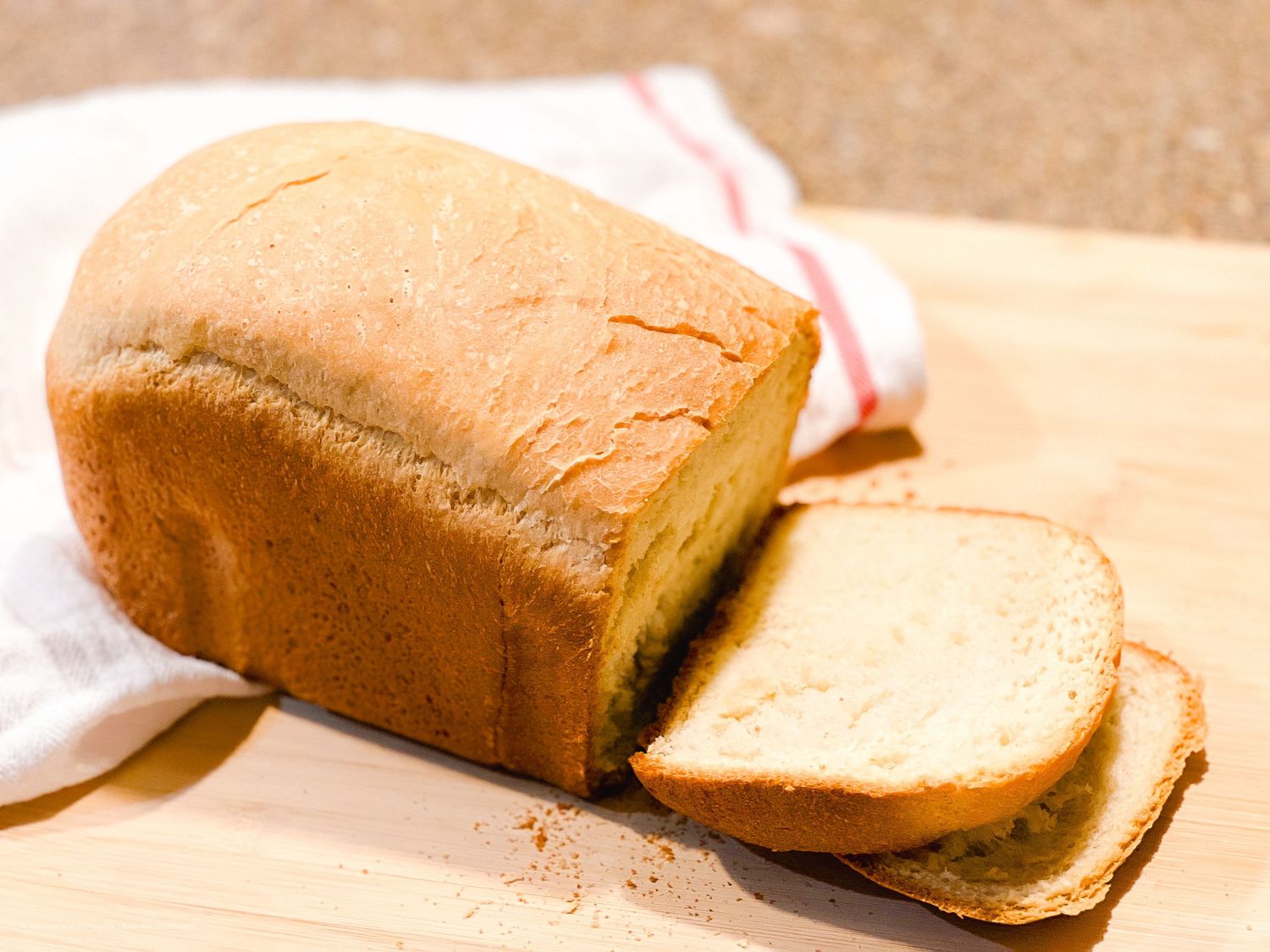
Heirloom White Bread for the Bread Machine
There are scents that mark a home for life. Freshly baked white bread is one of them. It slips under doorways, drifts down hallways, and settles into curtains and dish towels. You can walk in from the yard or step through the garage after school and know immediately that something steady and good is happening in the kitchen.
For most of American history, that scent came from strong hands and steady work. In the eighteenth and nineteenth centuries, women baked bread several times a week, sometimes every day. Yeast was saved from a previous batch or coaxed from a sourdough starter that lived in a crock near the stove. Flour was sifted by hand. Dough was kneaded on wide wooden tables dusted in white. Bread rose near the hearth in winter or on a shaded porch in summer. A family’s bread told you a great deal about their table and their means. Fine white flour, once sifted and bolted to remove the bran, was prized and often reserved for special occasions. Brown breads and mixed grain loaves were everyday fare in many homes across early America.
By the late nineteenth century, commercial yeast changed everything. With the rise of companies like Fleischmann's, packaged yeast became reliable and widely available. Housewives could count on a consistent rise. White sandwich bread became more common as roller milling produced finer flour in large quantities. In 1928, sliced bread entered grocery stores, and within a few decades the soft, uniform loaf wrapped in waxed paper became a staple across the country.
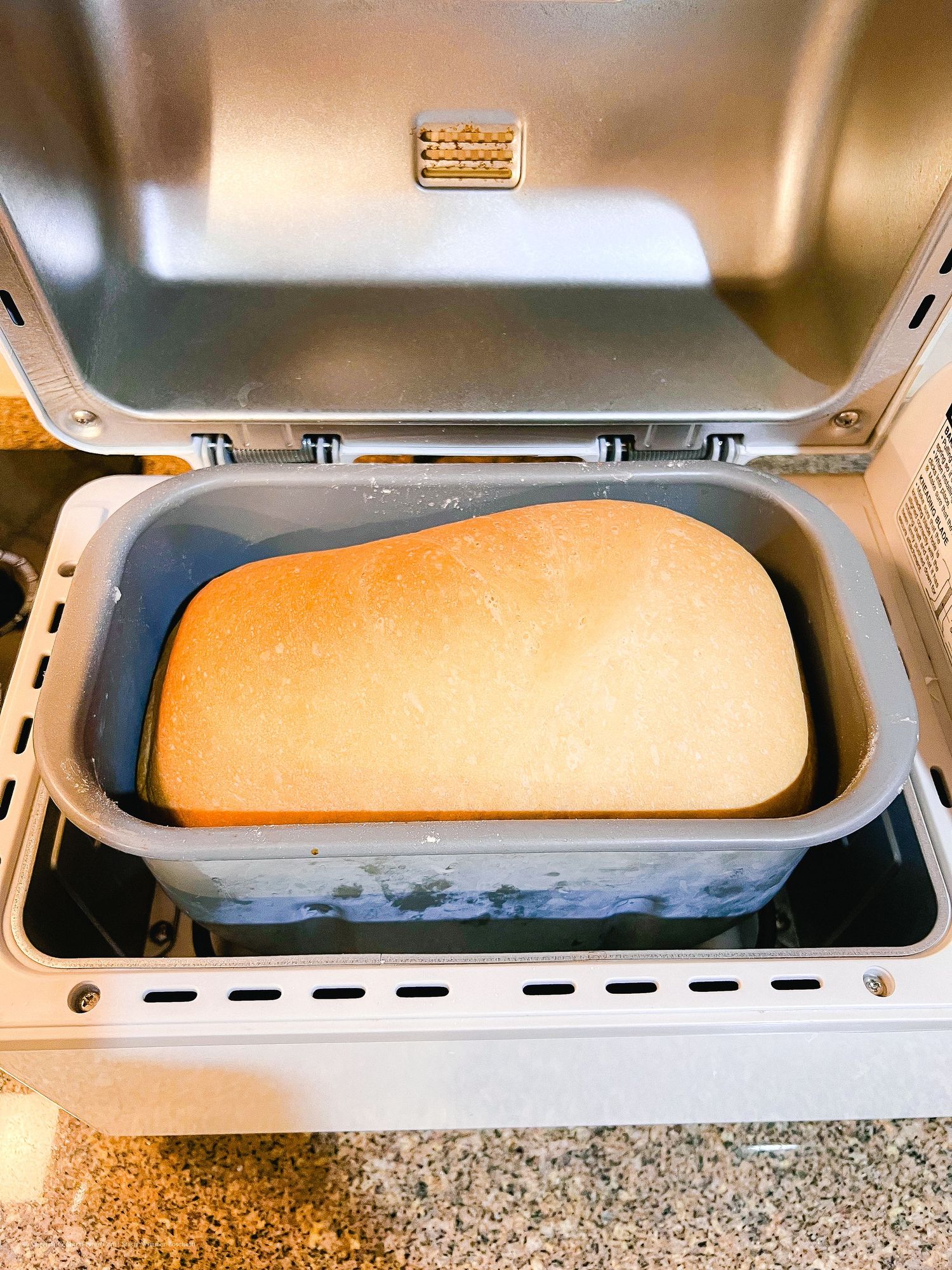
Then came the bread machine. In the 1990s, brands like Zojirushi and Panasonic placed a small metal pan and kneading paddle on American countertops. The machine mixed, kneaded, proofed, and baked in one contained rhythm. For women who worked outside the home or managed full schedules, it restored fresh bread to daily life without demanding an entire afternoon at the counter. The method changed. The purpose did not.
That is where this Heirloom White Bread belongs.
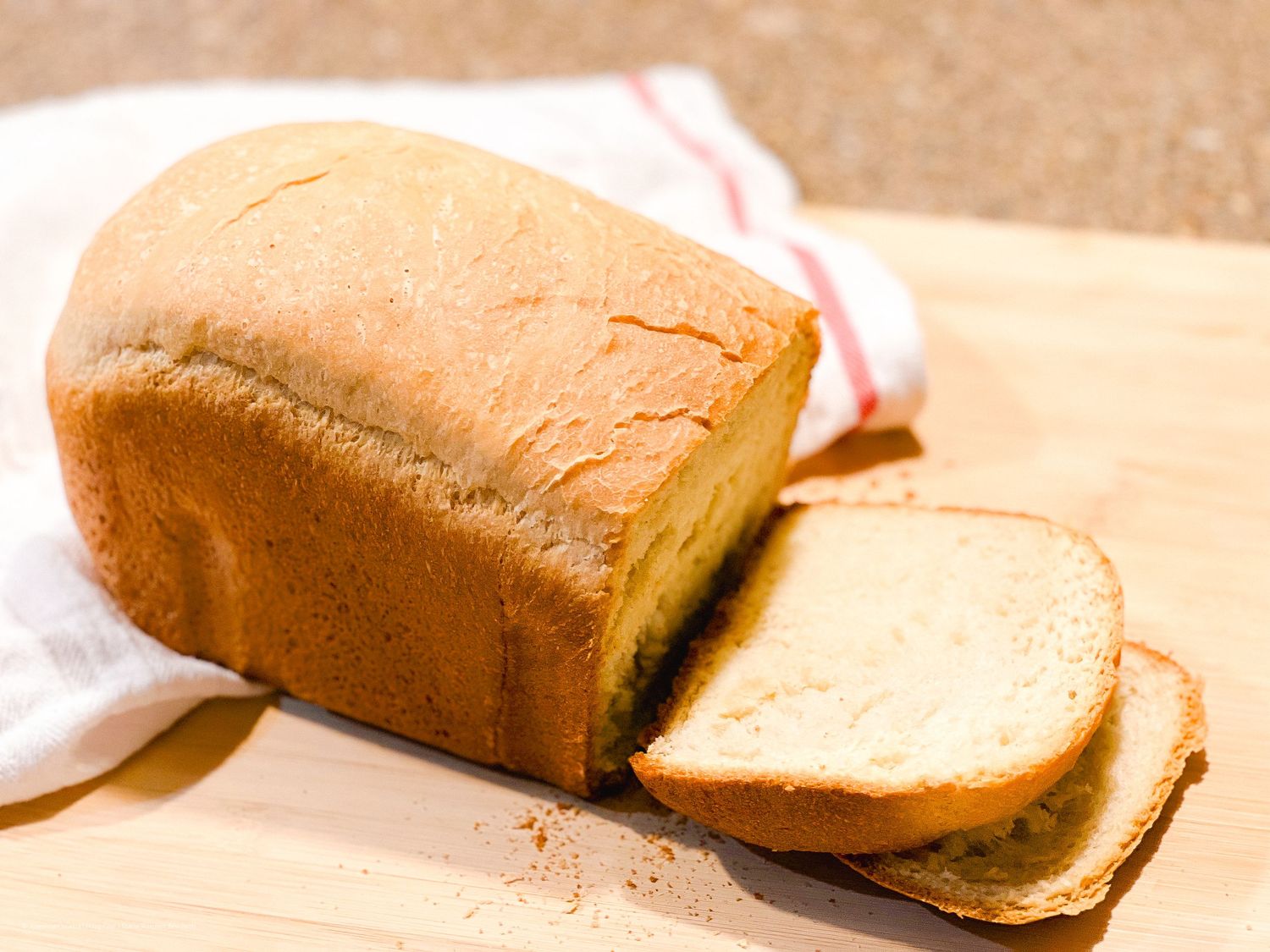
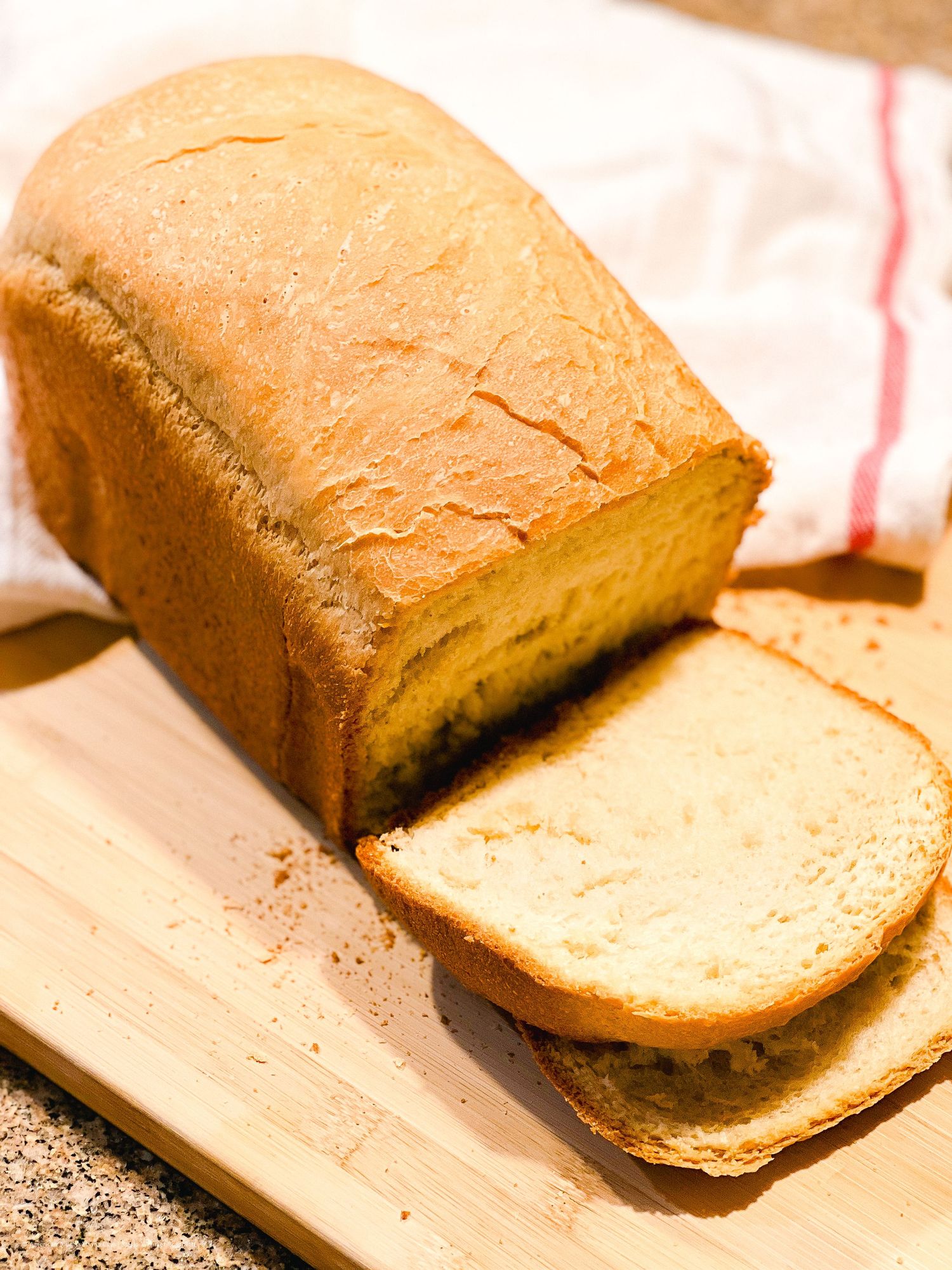
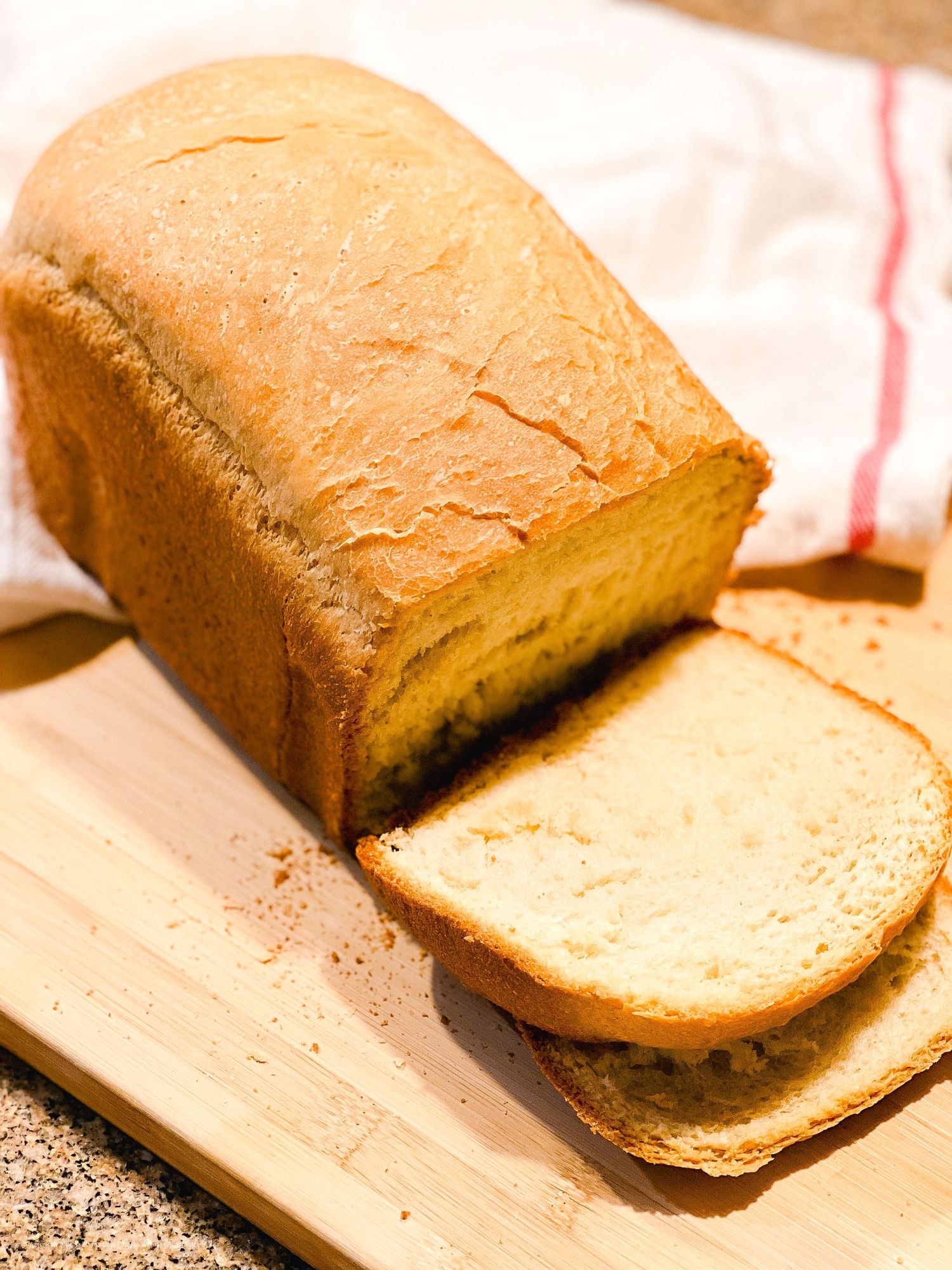
This loaf honors the soft, fine crumb that became central to the American sandwich in the twentieth century. It is tender enough for peanut butter and jelly tucked into a school lunchbox. It stands up to thick slices of roast turkey and crisp lettuce. It toasts evenly, turning golden and fragrant under the broiler. Spread with salted butter while still warm, it carries the same simple satisfaction that families knew generations ago.
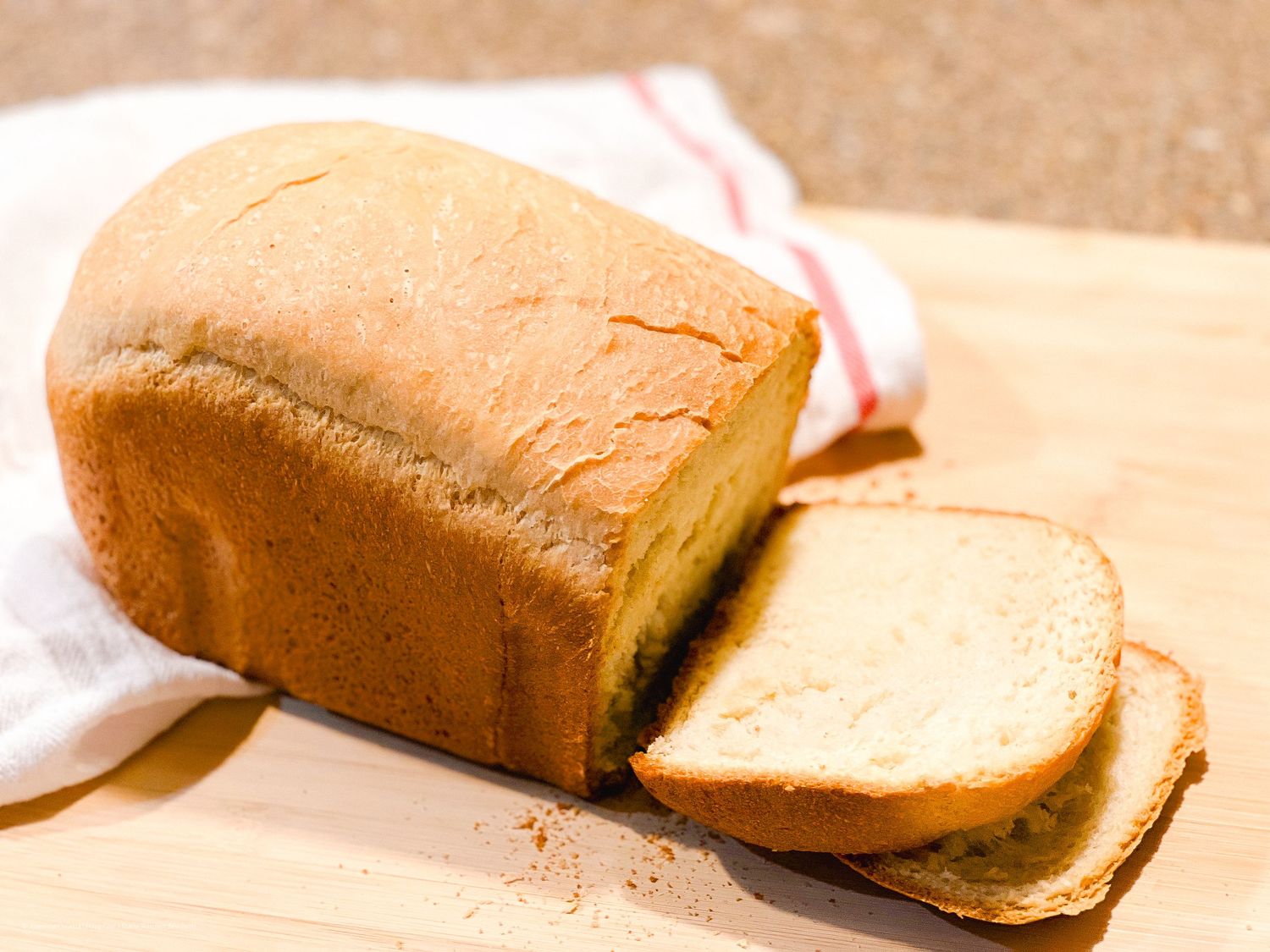
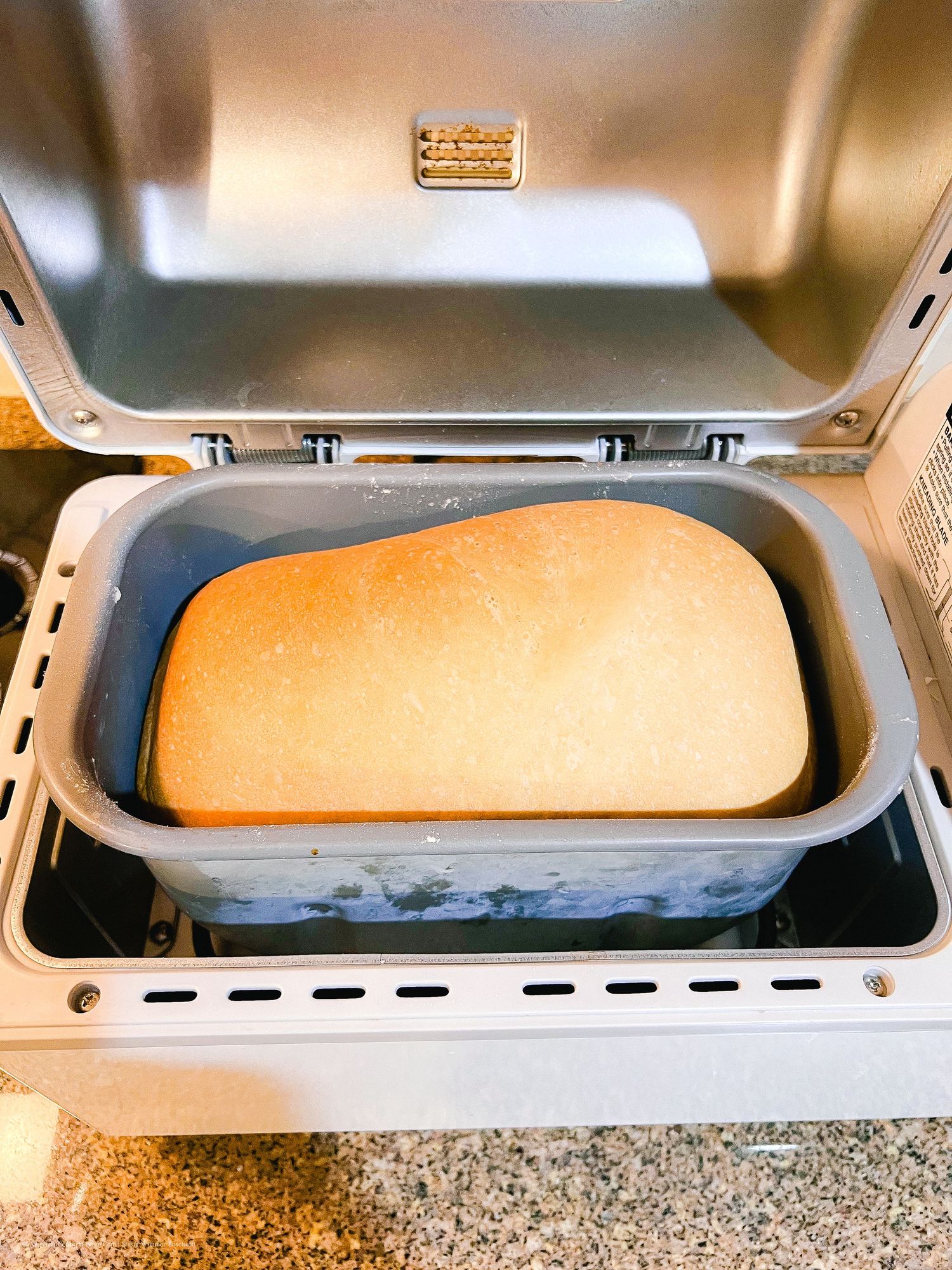
I call it heirloom because of what it does at the table. It gathers people. It shows up again and again. It becomes familiar. An heirloom does not have to be antique to matter. It becomes precious through repetition and use. In our house, this loaf has baked through every season. I have measured flour while a pot of soup simmered on the stove. The machine hums, the dough comes together, and three hours later the crust lifts in a gentle dome. When I tip it out onto the counter, the bottom thumps hollow and sure. I brush the top with a bit of melted butter and let it rest before slicing. The first cut releases a thin curl of steam.
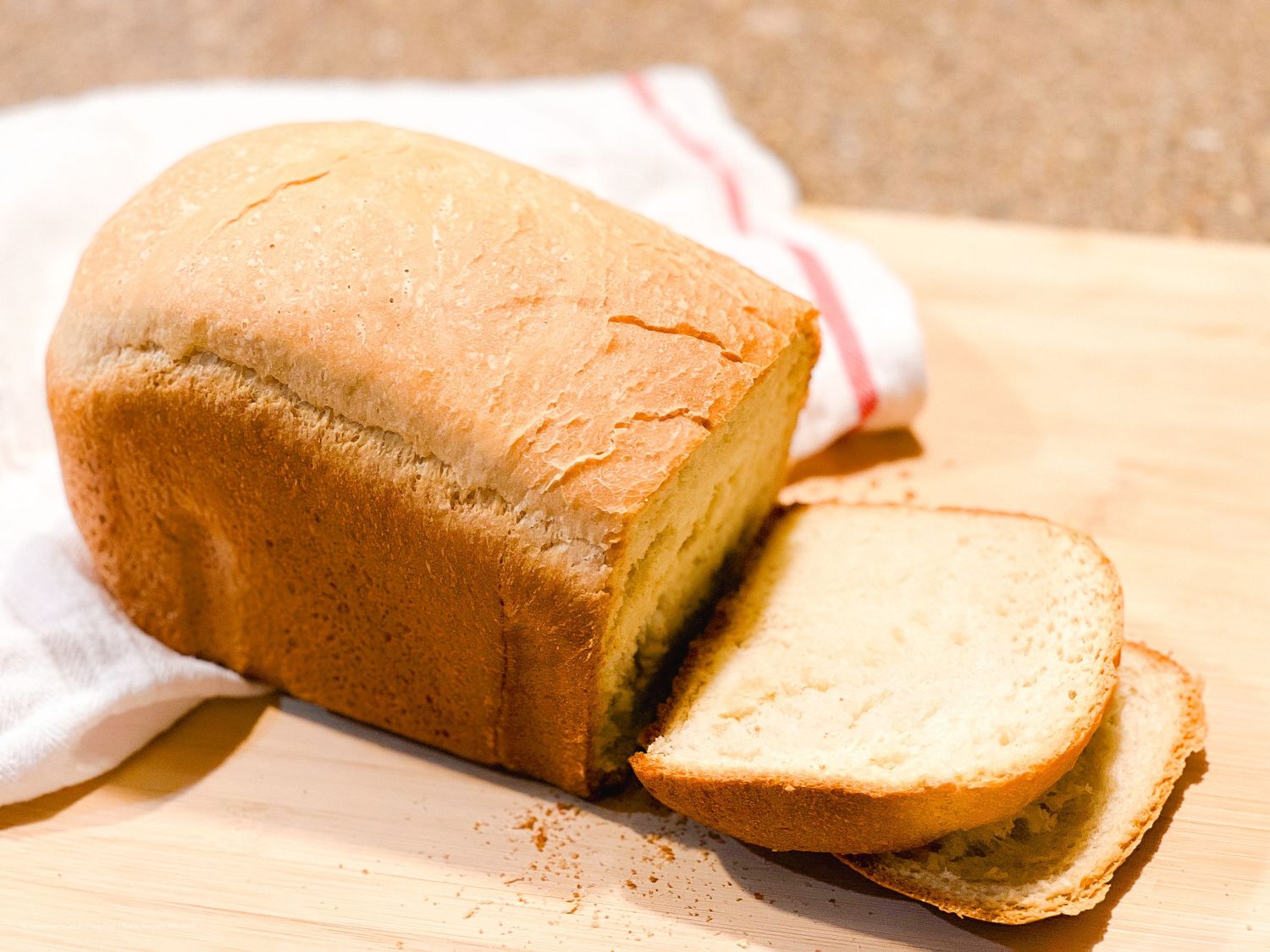
There is something deeply American about white bread on a wooden cutting board. It speaks of farm kitchens and suburban tables, of church potlucks and weekday suppers. It reminds us that bread has always been central to nourishment and hospitality in this country. From colonial hearths to Depression era thrift kitchens to postwar family dinners, bread stretched meals and anchored them.
Using a bread machine does not lessen that legacy. It carries it forward. The ingredients remain humble: flour, yeast, water, salt, a touch of sugar or honey, a spoonful of fat. What changes is the strain on your wrists. The machine frees you to tend the rest of your life while the dough rises behind a small glass window.
If you are new to bread making, begin here. Measure carefully. Use fresh yeast. Add liquids first, then dry ingredients, keeping yeast away from salt until mixing begins. If desired, let the loaf cool completely before slicing so the crumb can set. If your machine runs hot, check the crust a shade earlier. If your kitchen is cold, you may find the rise takes a little longer. Each bread machine has its own temperament, so treat this recipe as a trusted guide and make small adjustments as needed.
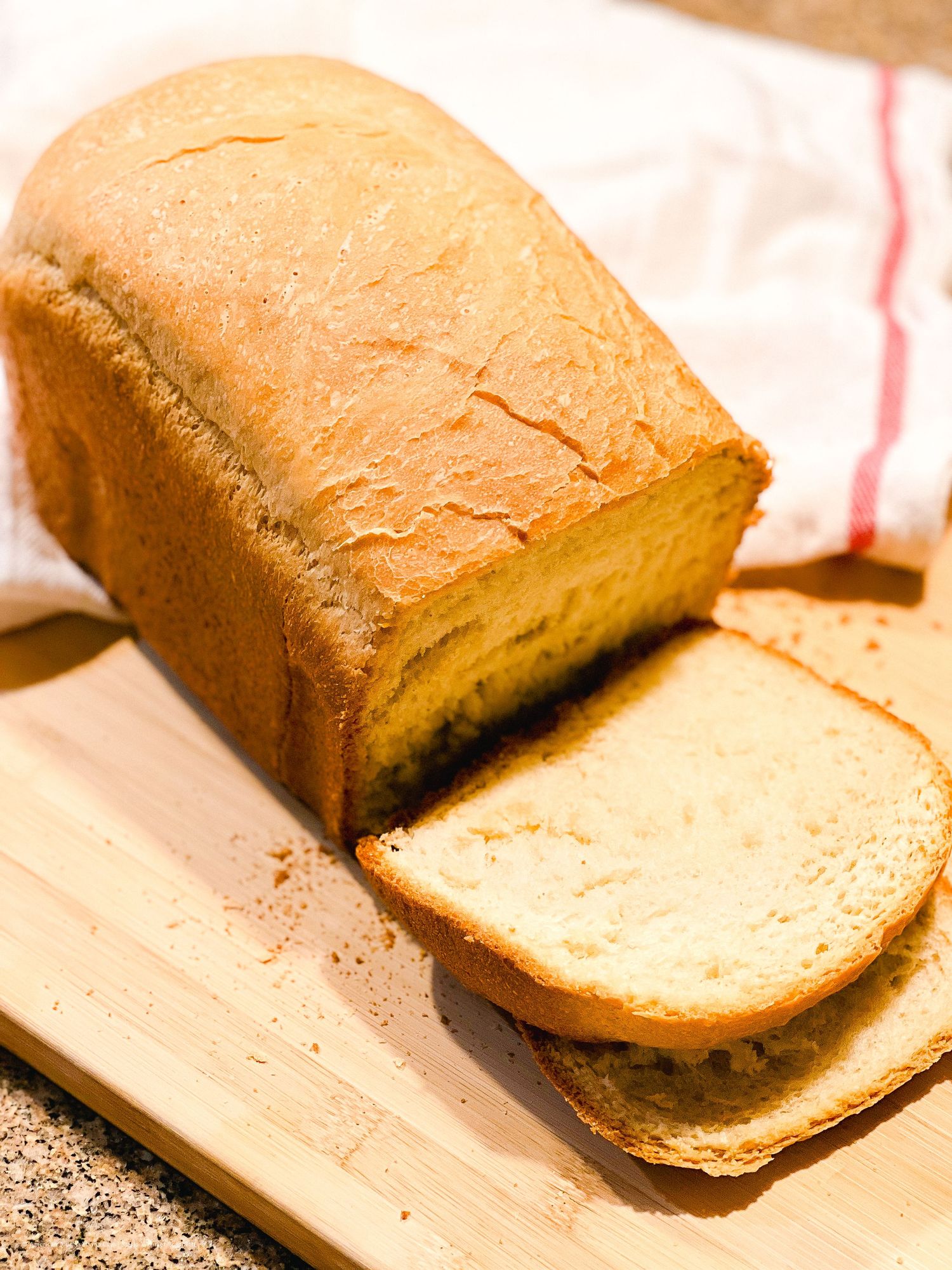
The goal is simple: a loaf that feels at home in your hands.
When you slice into this Heirloom White Bread and lay it on a plate beside a bowl of tomato soup, you participate in a long American tradition. You keep alive the practice of feeding your family with intention. You create a memory that may one day surface in someone else’s kitchen when they catch the scent of yeast and warm flour.
Some recipes are worth repeating until they become part of the walls themselves. This is one of them.
For those asking, the bread machine I use in my own kitchen is still a Zojirushi. I bought mine as a young homemaker years ago, and after decades of bread baking, it remains one of the hardest-working appliances I own. The model has since been updated, but the reliability and results are every bit as good as I remember from those early years of learning to keep a home and feed a family well.
You can find the newer version here: Zojirushi Bread Machine
Heirloom White Bread for the Bread Machine
prep time: 5 minutes
cook time: 3 hours 30 minutes (depending on your machine)
servings: 12–14 slices
Ingredients:
- 1 1/2 cups warm water (110°F)
- 2 tablespoons unsalted butter, softened
- 2 tablespoons granulated sugar or honey
- 1 1/2 teaspoons salt
- 4 cups bread flour
- 2 1/4 teaspoons active dry yeast (or 1 packet)
- (Optional: 2 tablespoons dry milk powder for a richer loaf)
Instructions:
- Add warm water to the bread machine pan.
- Add butter, sugar, and salt.
- Gently spoon in the flour to create a barrier between liquid and yeast.
- Make a small well in the flour and place yeast inside.
- Select Basic or White Bread cycle, 2 lb loaf, and your preferred crust color.
- Press start and let the machine do its work.
- When finished, remove the loaf and cool on a wire rack for 30 minutes before slicing.
NOTES
- Brush the top with melted butter for a soft crust and golden sheen.
- Use milk instead of water when you want a slightly sweeter, more tender crumb.
- Slice and freeze half the loaf if your home is quieter these days, it thaws like a dream.
- Don’t be surprised if it disappears within hours. This bread has a way of drawing people in.

about the AUTHOr
Stasia Boschetti is an American culinary writer and the founder of American Country Living. With more than thirty years of experience in the kitchen, a background in catering, extensive travel, and a strong knowledge of regional food traditions, she writes about the recipes, histories, and customs that have shaped the way America cooks. She lives in the United States with her husband, family, and rescue animals.