Peanut Butter Cookies
There is a certain smell that settles into a home when peanut butter cookies are in the oven, warm, slightly sweet, and unmistakably nutty. It drifts from the kitchen into the rest of the house and draws people in without a word.
Peanut butter cookies hold a firm place in the American kitchen, and their story begins long before they appeared on a baking sheet. Peanuts are native to South America, but in the United States, especially across the South after the Civil War, they became an essential crop. Farmers relied on them to help restore depleted soil and provide an affordable, dependable food source for the table.
By the early 1900s, peanut butter in a form we recognize today began appearing in American homes. As commercial versions became widely available in the 1920s, home cooks started working it into everyday baking. George Washington Carver played an important role in this shift. His 1916 agricultural bulletin promoted dozens of practical uses for peanuts and included early versions of peanut cookies made with ground or finely chopped peanuts. His work encouraged families to bring this ingredient into daily cooking.
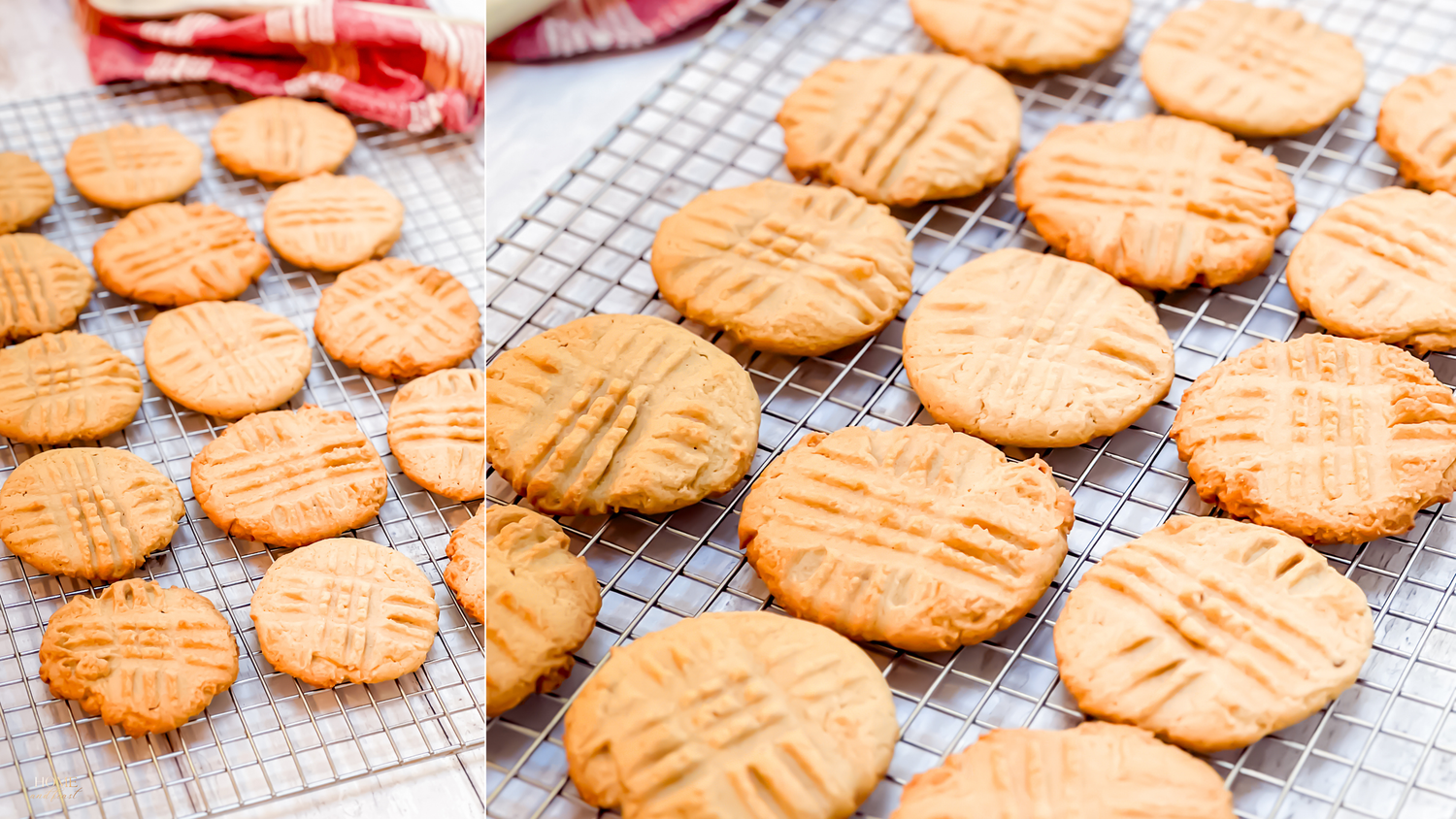
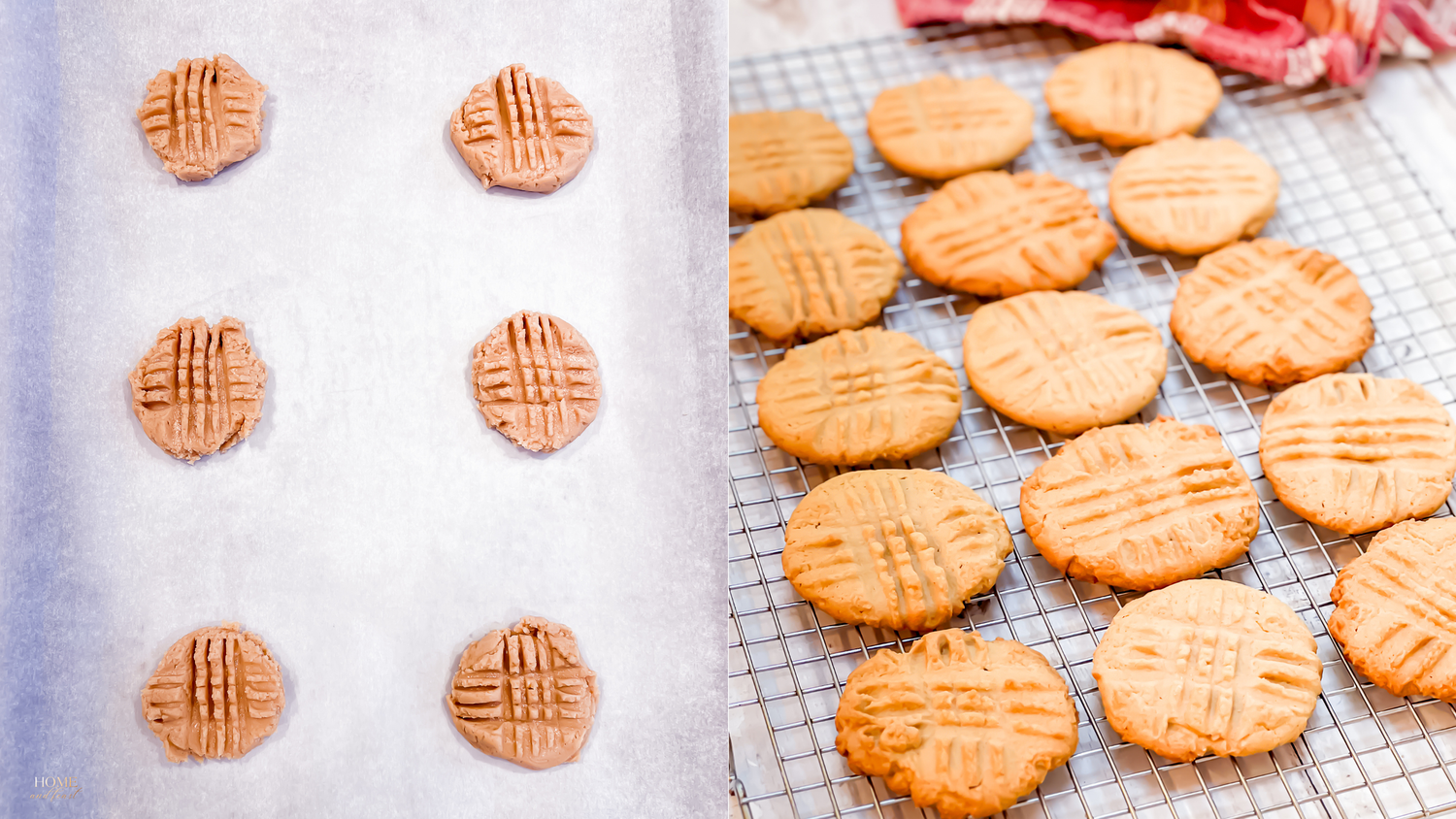
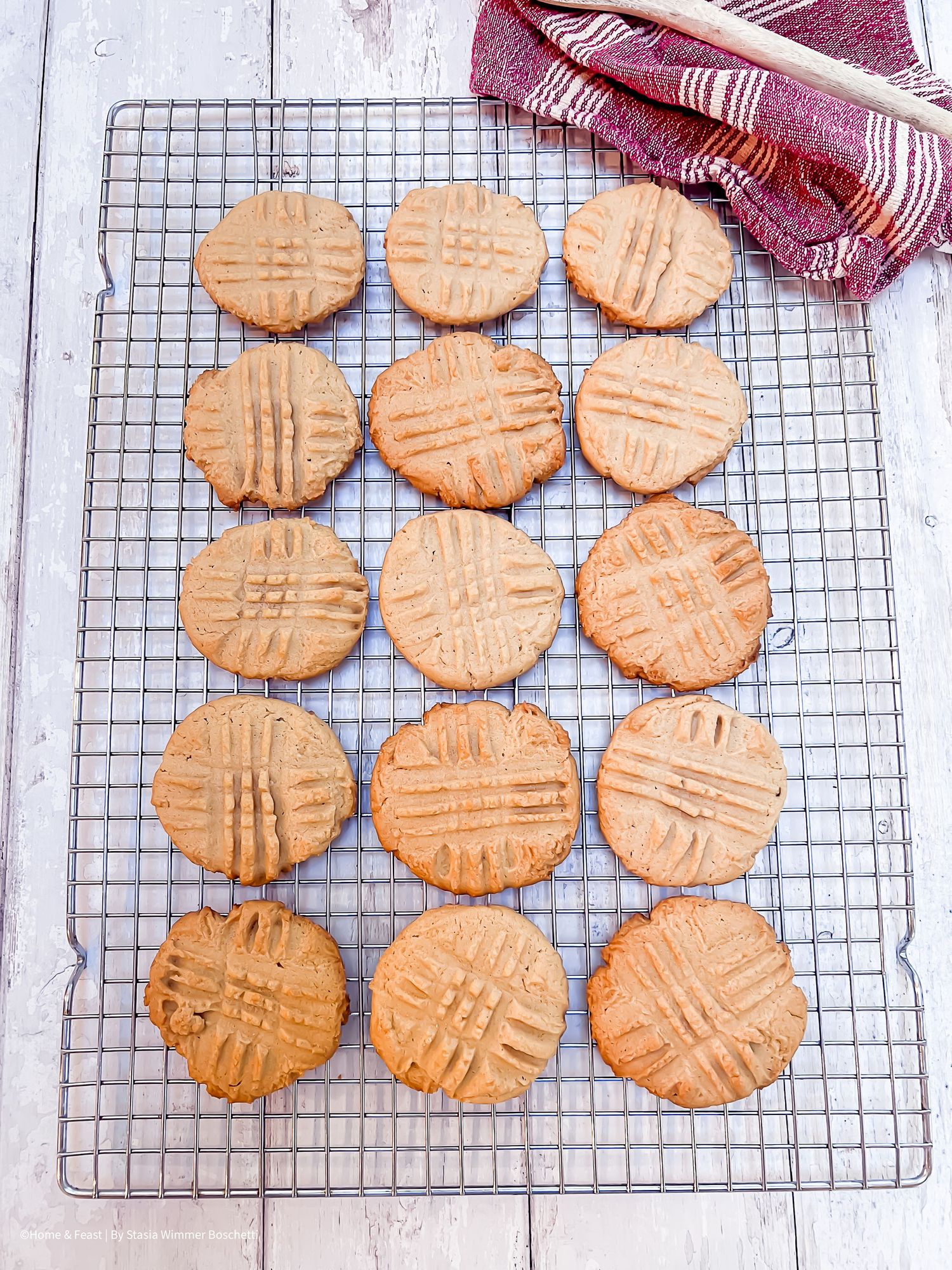
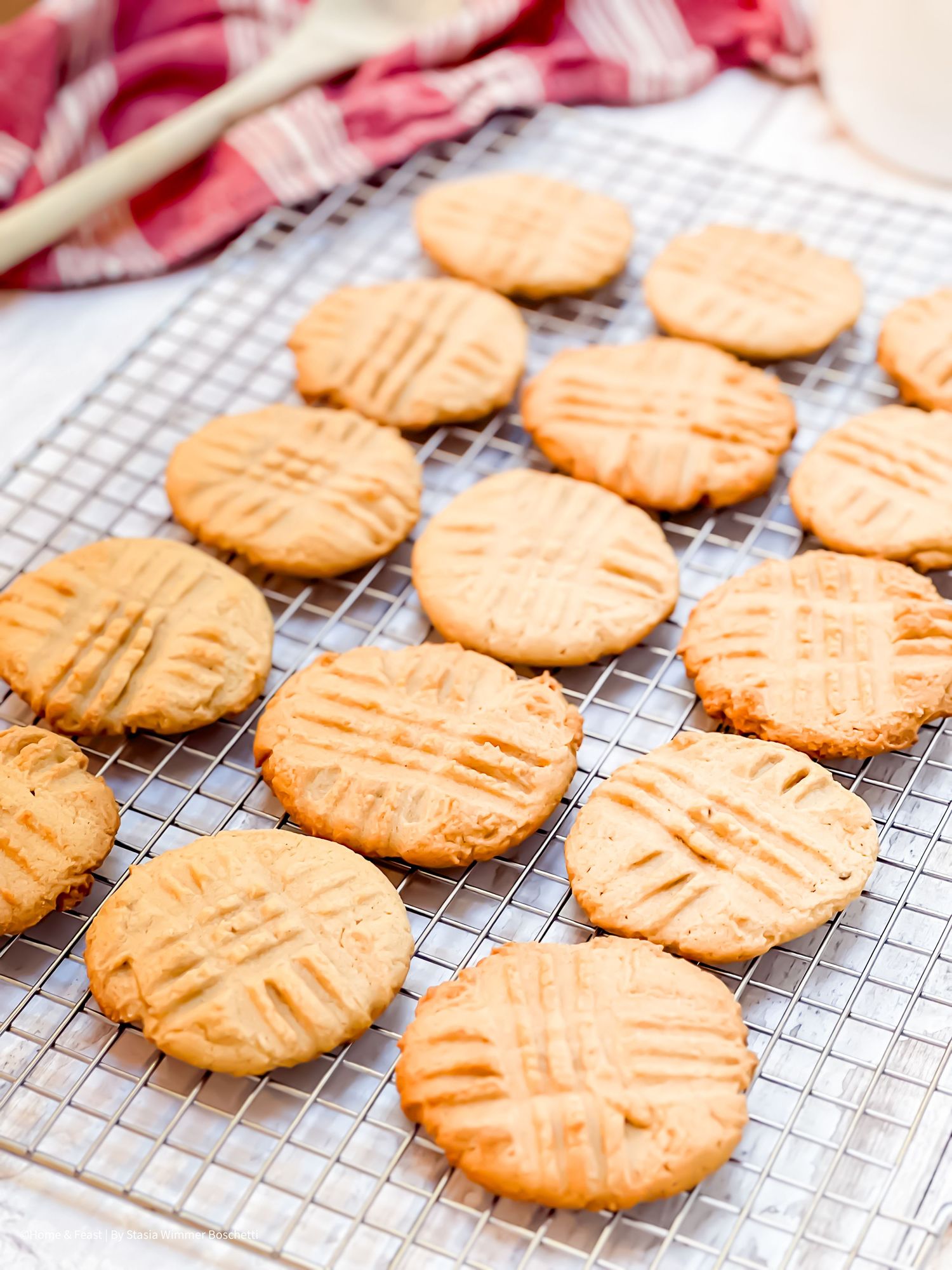
The familiar crisscross pattern came a bit later. In the early 1930s, recipes began instructing bakers to roll the dough into balls and press each one with a fork, first in one direction, then the other. This step helped the dense dough bake evenly and gave the cookies their now-recognized texture. What began as a practical instruction became the defining mark of a classic peanut butter cookie, reinforced through newspaper recipes and widely circulated brand cookbooks of the time.
By the middle of the twentieth century, peanut butter cookies were part of everyday American life. They appeared in church cookbooks, school bake sales, and handwritten recipe cards tucked into kitchen drawers. The ingredients were pantry staples, the method straightforward, and the results dependable. During the war years and the decades that followed, recipes like this earned their place through consistency and familiarity.
In many homes, baking them became part of the weekly rhythm. Butter softening on the counter, eggs pulled from the refrigerator, children shaping dough into small rounds, and a fork pressed into each one before the trays slid into the oven. Within minutes, that unmistakable scent filled the house.
Peanut butter cookies remain one of those recipes people return to without hesitation. Simple, reliable, and deeply rooted in the American kitchen, they are exactly the kind of recipe worth keeping and sharing.
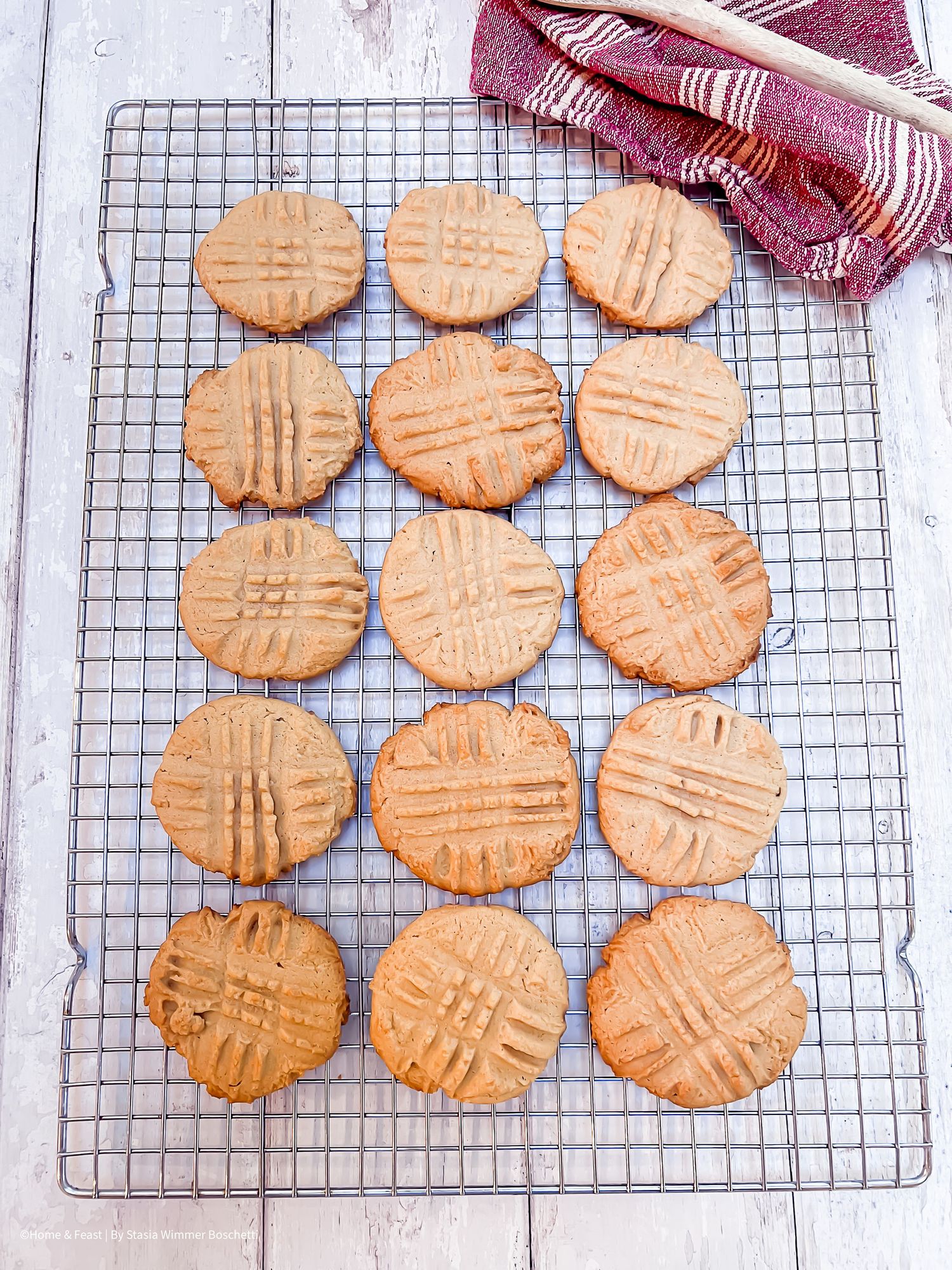
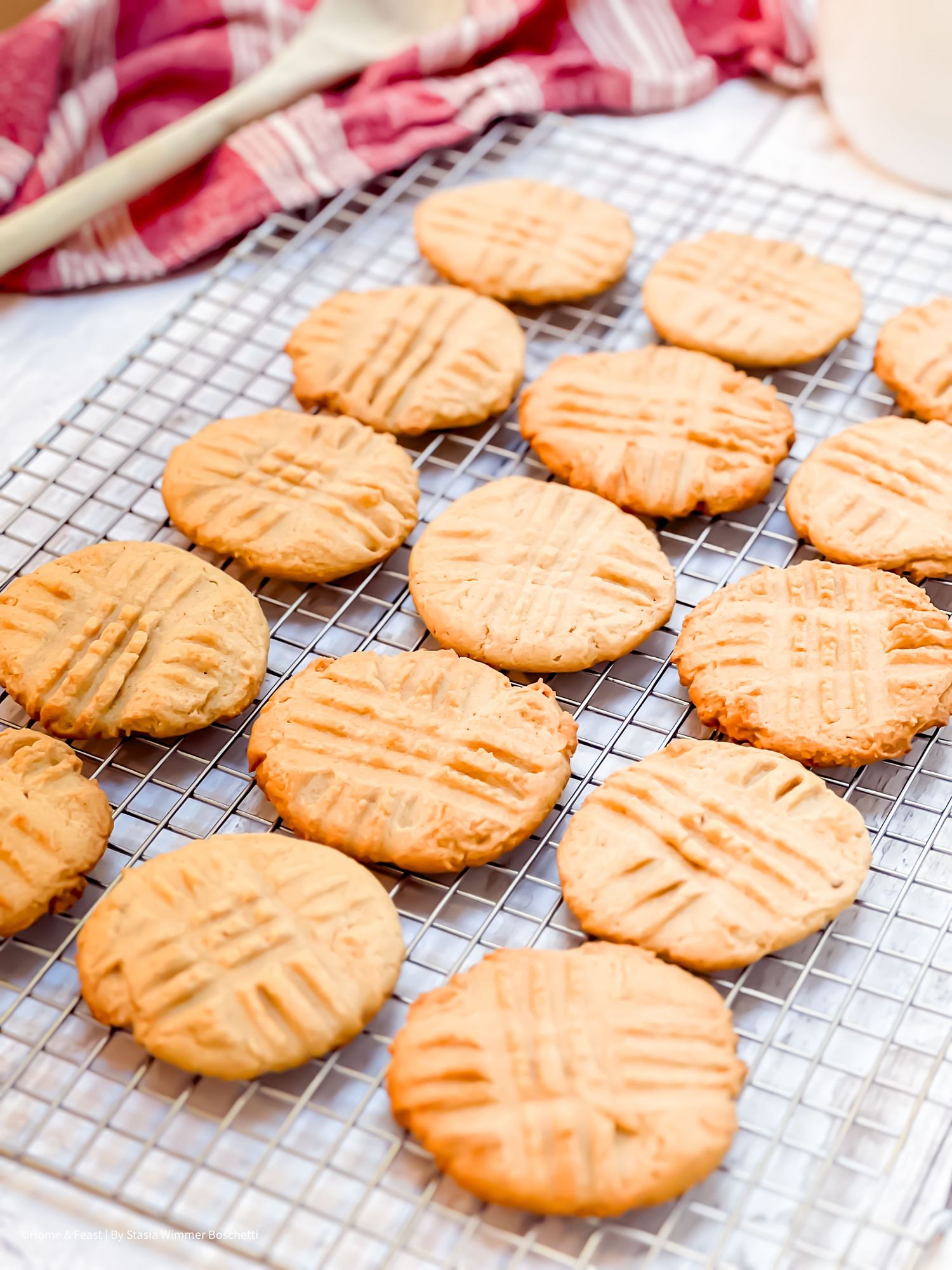
Peanut Butter Cookies
PREP TIME: 15 MINUTES
CHILL Time: 30 minutes
COOK TIME: 10 MINUTES
OVEN TEMPERATURE: 350°F
SERVINGS: 2 dozen
Ingredients:
- 1 cup (2 sticks) unsalted butter, softened
- 1 cup creamy or extra-crunchy peanut butter
- 1 cup packed light brown sugar
- 1 cup granulated sugar
- 2 large eggs
- 2 teaspoon pure vanilla extract
- 2 1/2 cups all-purpose flour
- 1 1/2 teaspoons baking soda
- 1 teaspoon baking powder
- 1/2 teaspoon salt
- Additional granulated sugar for rolling, (optional)
Instructions:
- Preheat your oven to 350°F (175°C) and line baking sheets with parchment paper or lightly grease them.
- In a large mixing bowl, cream together the softened butter, peanut butter, granulated sugar, and brown sugar until the mixture is light and fluffy.
- Add the eggs one at a time, mixing well after each addition. Stir in the vanilla extract.
- In a separate bowl, whisk together the flour, baking soda, baking powder, and salt. Gradually add the dry ingredients to the wet ingredients, mixing until a soft cookie dough forms. Be careful not to overmix; just mix until the flour is fully incorporated.
- If desired, you can chill the dough in the refrigerator for about 30 minutes to make it easier to handle, but this step is optional.
- Roll the cookie dough into 1-inch balls (you can make them larger or smaller if you prefer) and place them on the prepared baking sheets. If you want, you can roll each ball in granulated sugar before placing it on the baking sheet, which will give the cookies a slightly crunchy exterior.
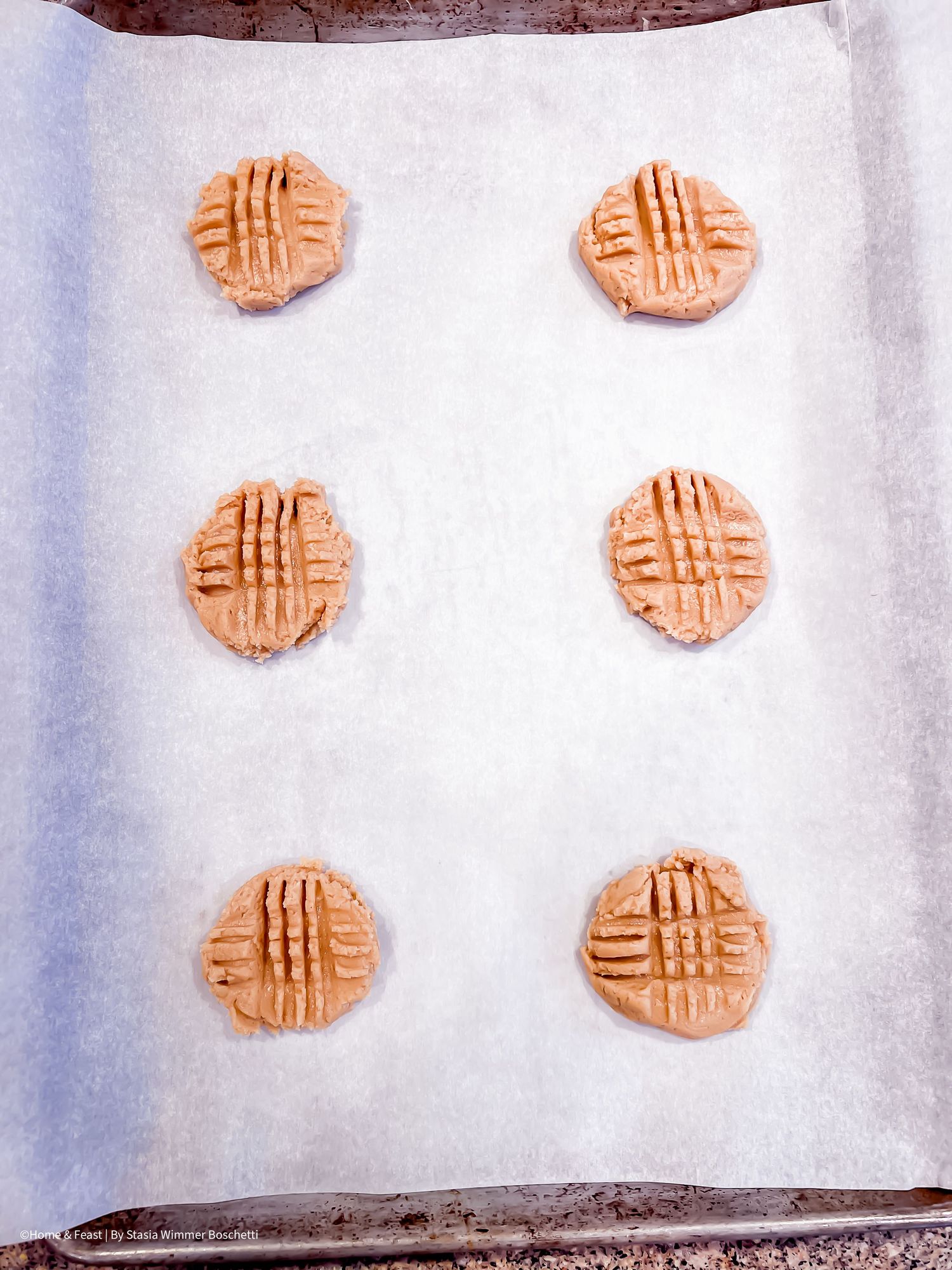
- Use a fork to flatten each cookie, creating a crisscross pattern on the top. You can dip the fork in a little extra granulated sugar or flour to prevent sticking if needed.
- Bake in the preheated oven for 10-12 minutes, or until the edges are lightly golden. The cookies may appear slightly undercooked in the center, but they will firm up as they cool.
- Allow the cookies to cool on the baking sheets for a few minutes before transferring them to wire racks to cool completely. Enjoy!

about the AUTHOr
Stasia Boschetti is an American culinary writer and the founder of American Country Living. With more than thirty years of experience in the kitchen, a background in catering, extensive travel, and a strong knowledge of regional food traditions, she writes about the recipes, histories, and customs that have shaped the way America cooks. She lives in the United States with her husband, family, and rescue animals.