The History of Steakhouse Creamed Spinach
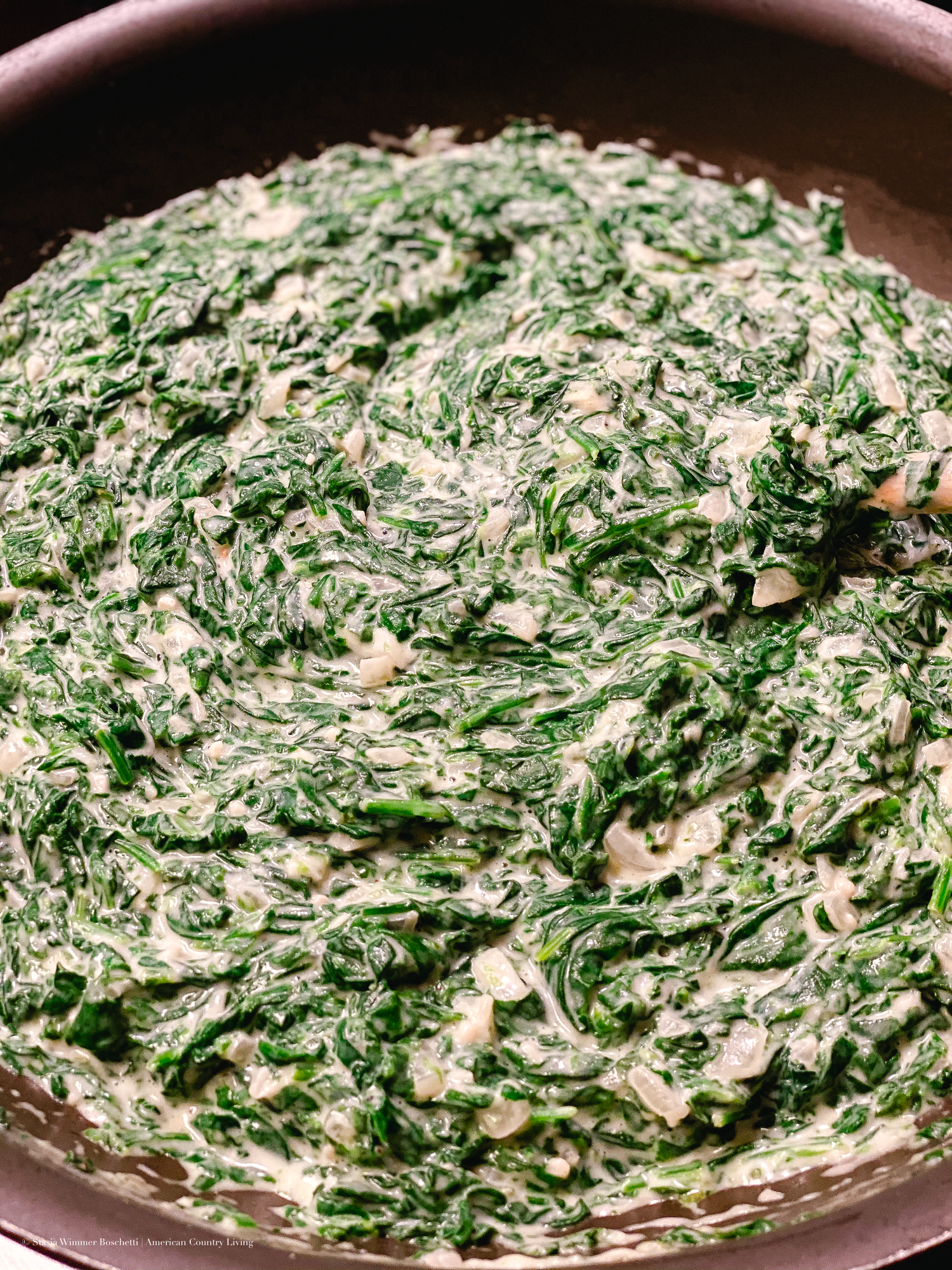
Creamed spinach has long been a beloved side dish in classic American steakhouses. Its smooth, velvety texture and rich flavor make it the perfect companion to a juicy ribeye or filet mignon. While the dish feels quintessentially American, its story stretches back much further, blending European culinary traditions with American dining culture.
The roots of creamed spinach trace back to European kitchens, particularly those in France and Germany, where creamy vegetable dishes were popular centuries ago. French chefs often prepared greens in rich sauces built on butter, cream, and nutmeg, while Germans favored similar preparations using spinach and other leafy vegetables. These early recipes likely inspired the American version that would later appear on steakhouse menus.
In the early 20th century, as fine dining spread across the United States, steakhouses began offering side dishes that balanced their hearty meats. Creamed spinach filled that role perfectly. It offered a touch of elegance, added color to the plate, and its mild, luxurious flavor complemented the deep savor of a well-seared steak. Restaurants like Peter Luger in New York and Morton’s in Chicago helped establish it as a staple of the American steakhouse experience.
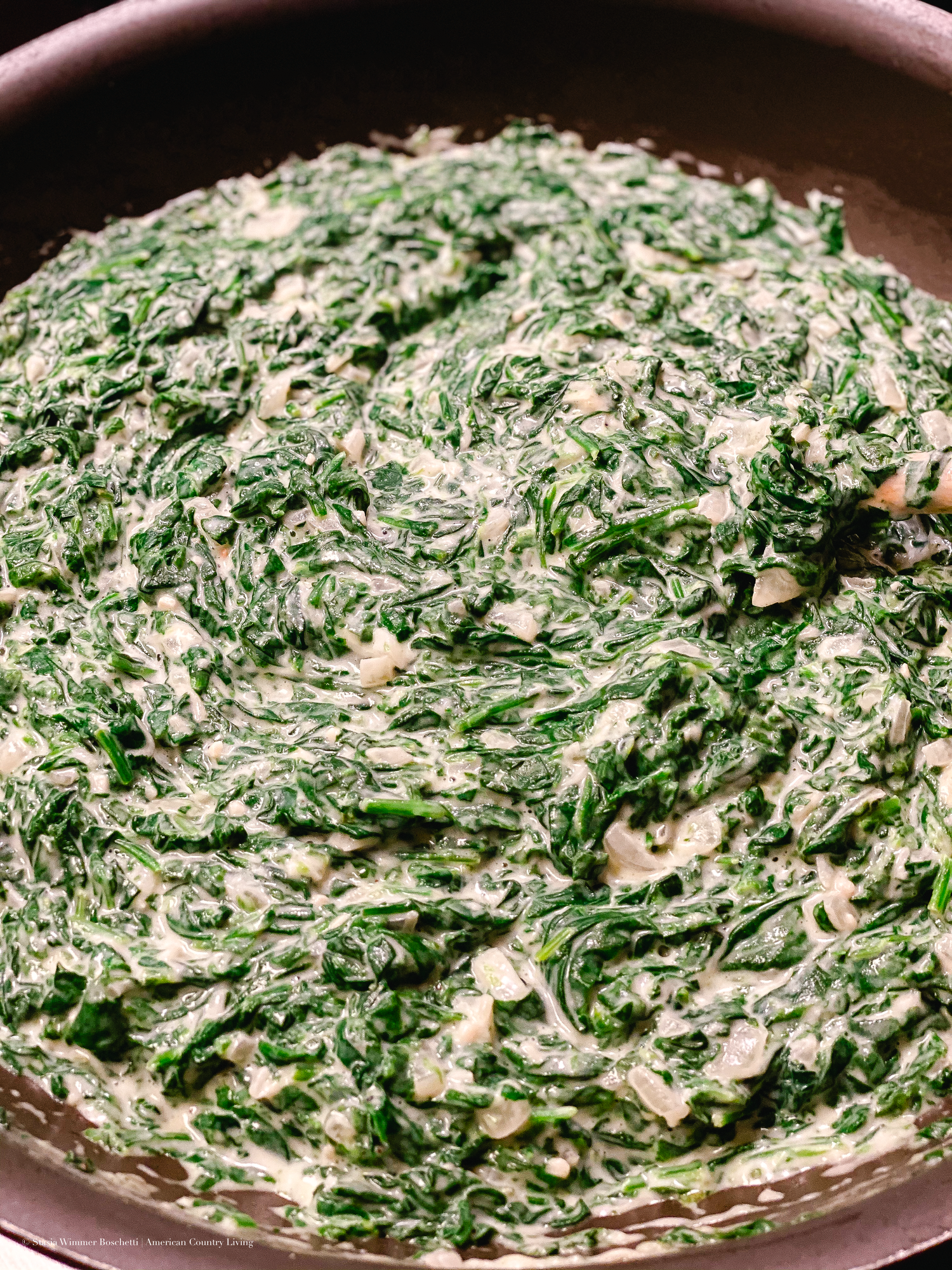
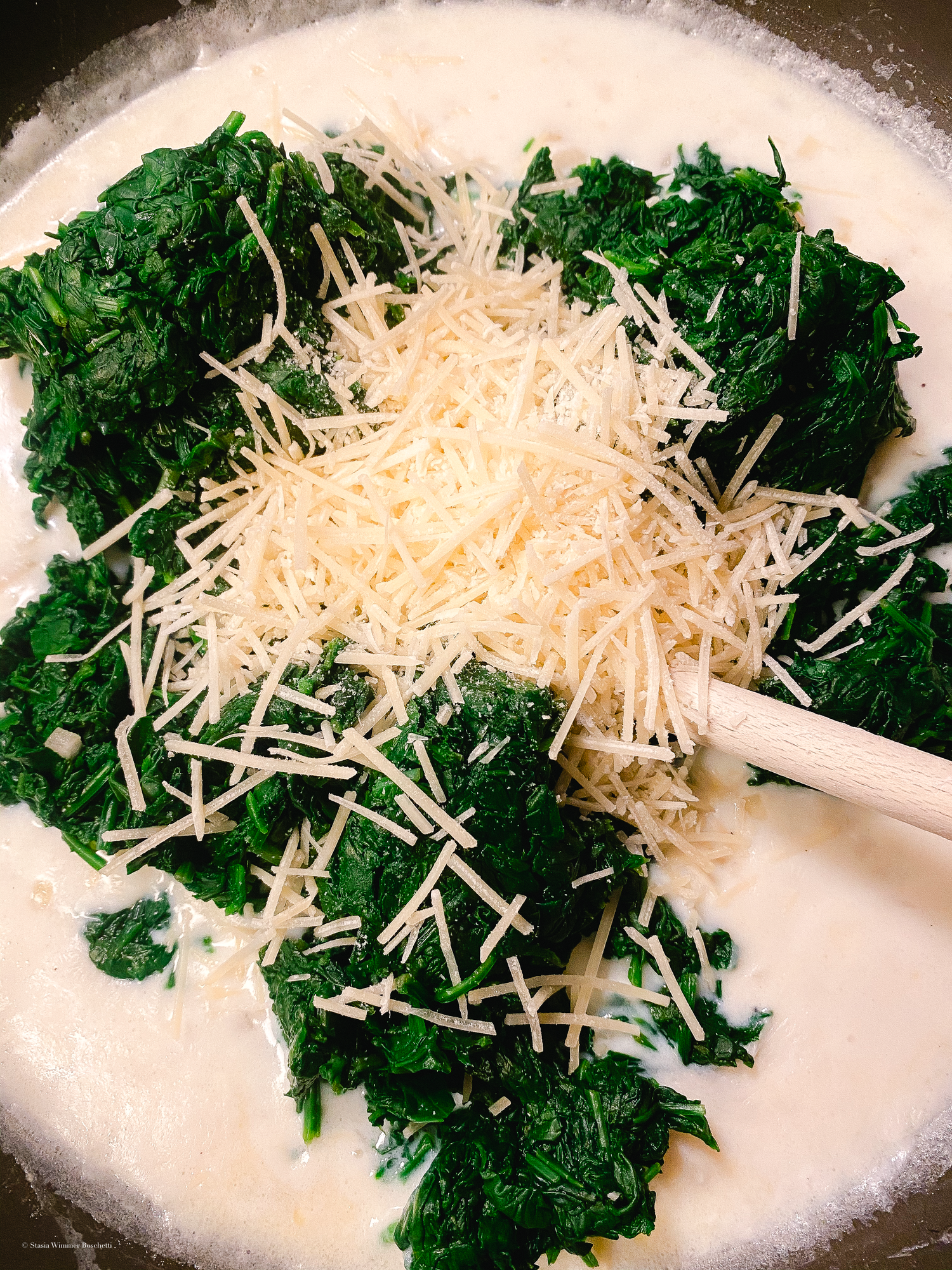
The dish became especially popular during the mid-1900s, when classic steakhouse dining was at its peak. Creamed spinach represented indulgence and tradition. The sauce was typically made with butter, flour, milk or cream, and sometimes cheese for added richness. Many chefs added garlic, shallots, or a hint of nutmeg to elevate the flavor. The result was a creamy, comforting side dish that appealed to diners who wanted both luxury and familiarity.
Over time, creamed spinach became synonymous with steakhouse dining across the country. Even as modern restaurants began experimenting with lighter, more contemporary sides, the dish retained its loyal following. Today, it continues to appear on menus from old-school establishments to trendy urban steakhouses, proving that its appeal endures across generations.
The staying power of creamed spinach lies in its balance. It is simple but indulgent, rustic yet refined. It connects diners to a sense of history, offering a taste of an era when dining out was an event and sides were crafted with the same care as the main course. Whether served beside a perfectly grilled New York strip or as part of a holiday feast at home, creamed spinach remains a timeless classic that celebrates the rich traditions of steakhouse cuisine.
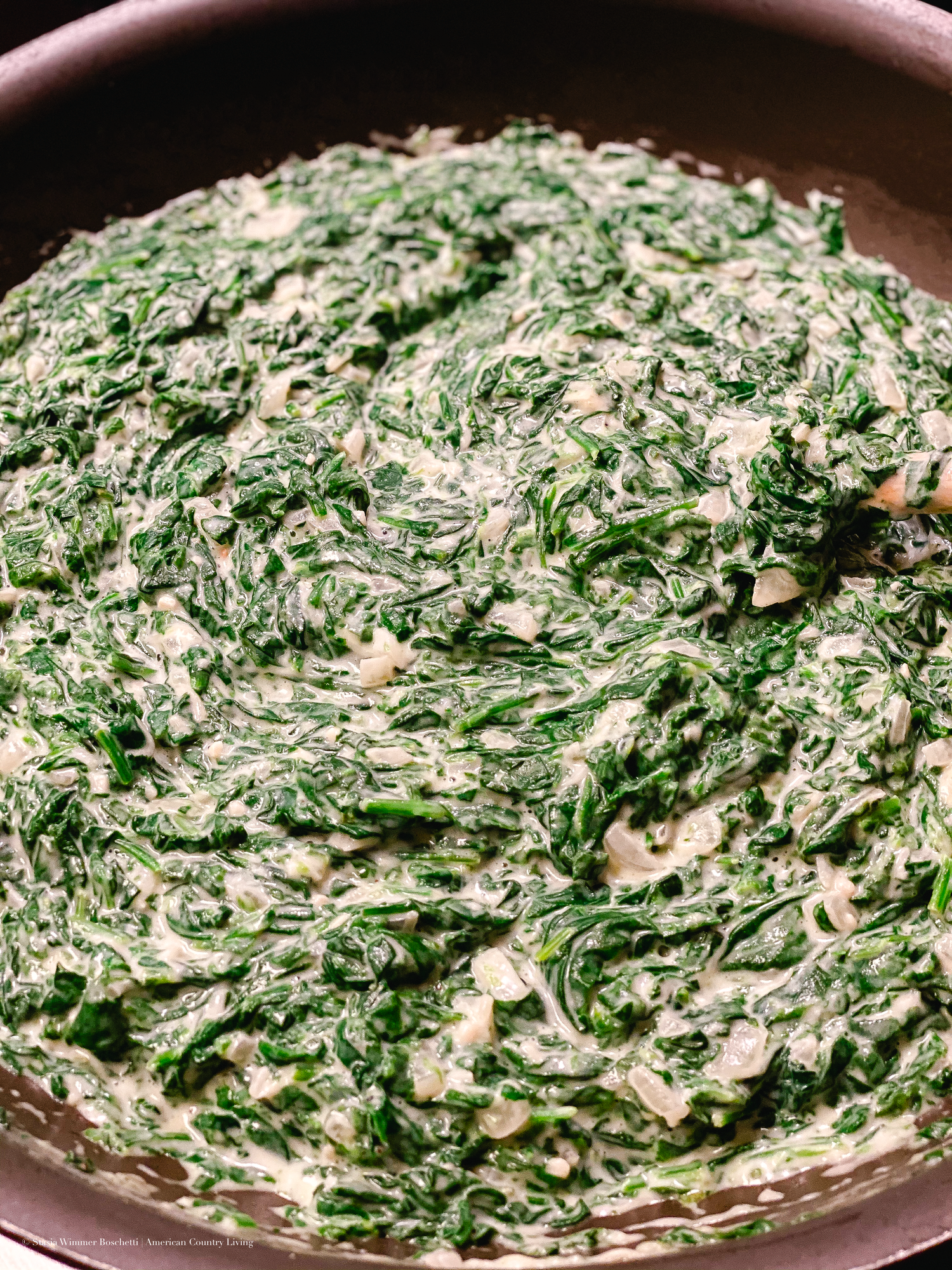
Steakhouse Creamed Spinach
prep time: 10 minutes
cook time: 15 minutes
servings: 4 servings
- 2 tablespoons unsalted butter
- 1 tablespoon olive oil
- 1 small shallot, finely chopped
- 2 cloves garlic, minced
- 2 tablespoons all-purpose flour
- 1 cup whole milk
- 1/2 cup heavy cream
- 1/4 teaspoon freshly grated nutmeg
- Salt and freshly ground black pepper, to taste
- 1 pound fresh baby spinach or 10 ounces frozen chopped spinach, thawed and drained well
- 1/4 cup grated Parmesan cheese
- 2 ounces cream cheese, softened (optional for extra richness)
Instructions:
- If using fresh spinach: Heat a large skillet over medium heat. Add the spinach in batches, cooking until just wilted — about 2 minutes per batch. Transfer to a colander, drain any excess liquid, and squeeze gently to remove moisture. Roughly chop and set aside.
- If using frozen spinach: Thaw completely and squeeze out as much liquid as possible using a clean kitchen towel or paper towels. Set aside.
- In the same skillet or a separate saucepan, heat butter and olive oil over medium heat. Add the shallot and cook until soft, about 2 minutes. Add garlic and cook for 30 seconds.
- Sprinkle in the flour and stir for 1 minute. Slowly whisk in the milk and cream until smooth. Cook for 3–4 minutes until slightly thickened. Stir in nutmeg, salt, and pepper.
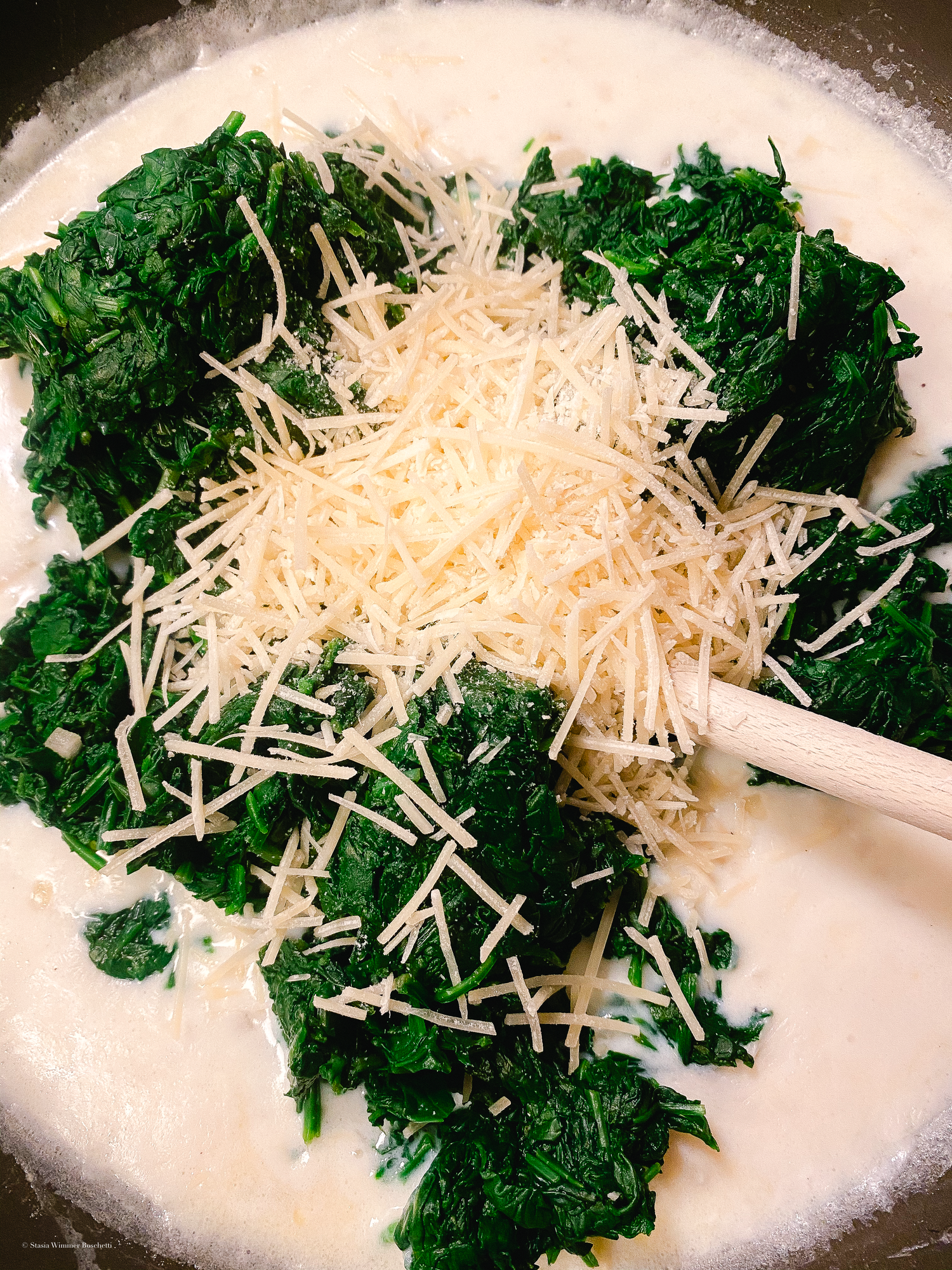
- Add the chopped spinach to the sauce, stirring to coat evenly. If using cream cheese, stir it in now until melted and creamy.
- Stir in the Parmesan cheese until fully incorporated. Taste and adjust seasoning as needed.
- Serve piping hot alongside your favorite steak or roasted meats.
Golden Crust Version (Steakhouse-Style Au Gratin)
- Golden Crust Version (Steakhouse-Style Au Gratin): For a luxurious touch, transfer the finished creamed spinach to an oven-safe dish. Top with a mix of Parmesan and breadcrumbs (or Gruyère for extra flavor). Broil for 2–3 minutes, until the top is bubbly and golden.
- Make-Ahead Tip: You can prepare the creamed spinach up to a day ahead. Reheat gently on the stove or in the oven, adding a splash of cream if it thickens too much.
- Flavor Boosters: Add a pinch of cayenne, a splash of white wine, or a touch of Dijon mustard to deepen the flavor


about the AUTHOr
Stasia Boschetti is an American culinary writer and the founder of American Country Living. With more than thirty years of experience in the kitchen, a background in catering, extensive travel, and a strong knowledge of regional food traditions, she writes about the recipes, histories, and customs that have shaped the way America cooks. She lives in the United States with her husband, family, and rescue animals.