Washday Mondays
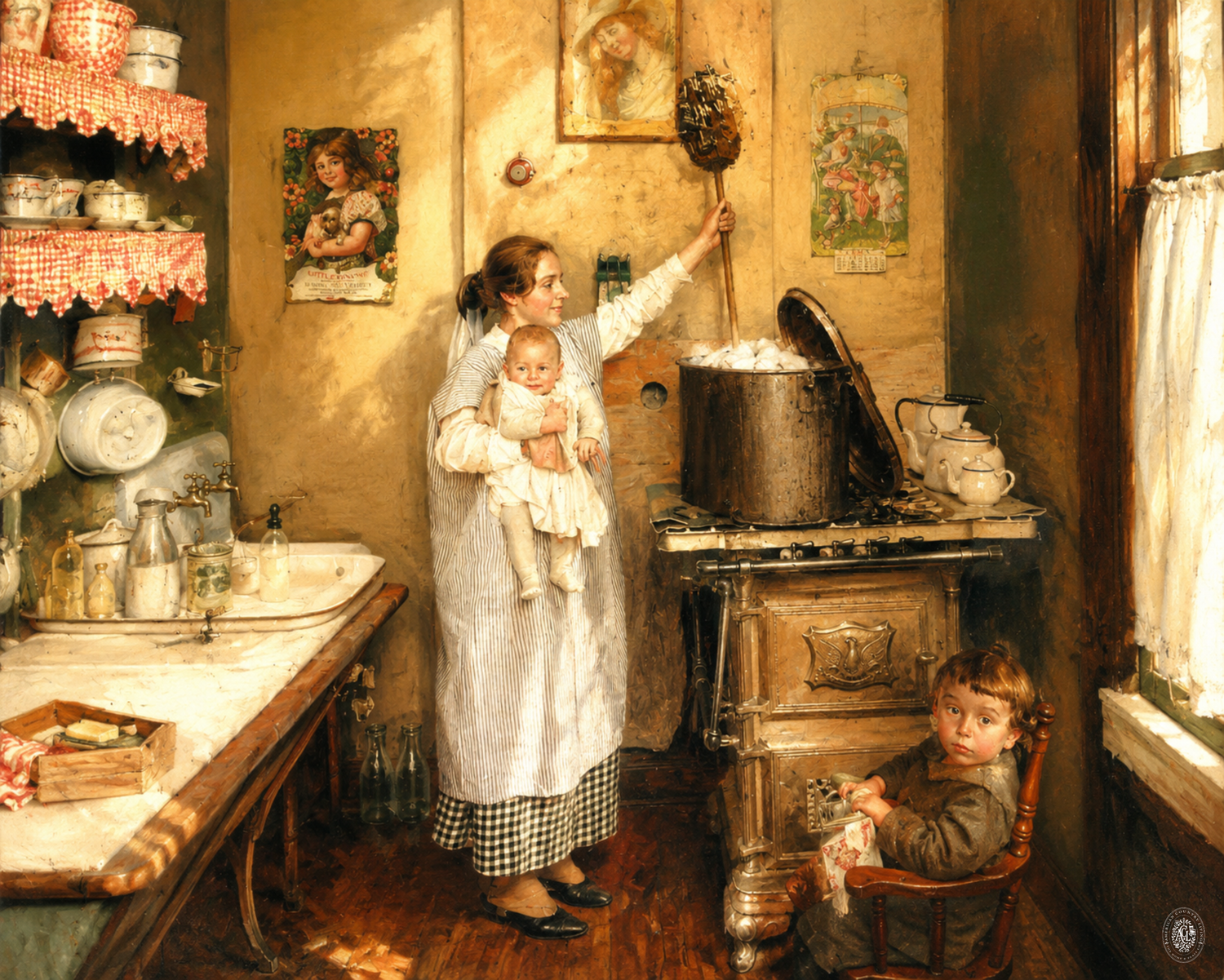
Monday mornings in the old American home did not begin with planners or coffee shop lines. They began with steam rising from galvanized tubs, lye soap carving ivory trails through hot water, and the steady rhythm of work worn into the bones of the women who made life run. It was Washday, always Monday, and for generations, this single day of suds and sunshine marked the start of a new week.
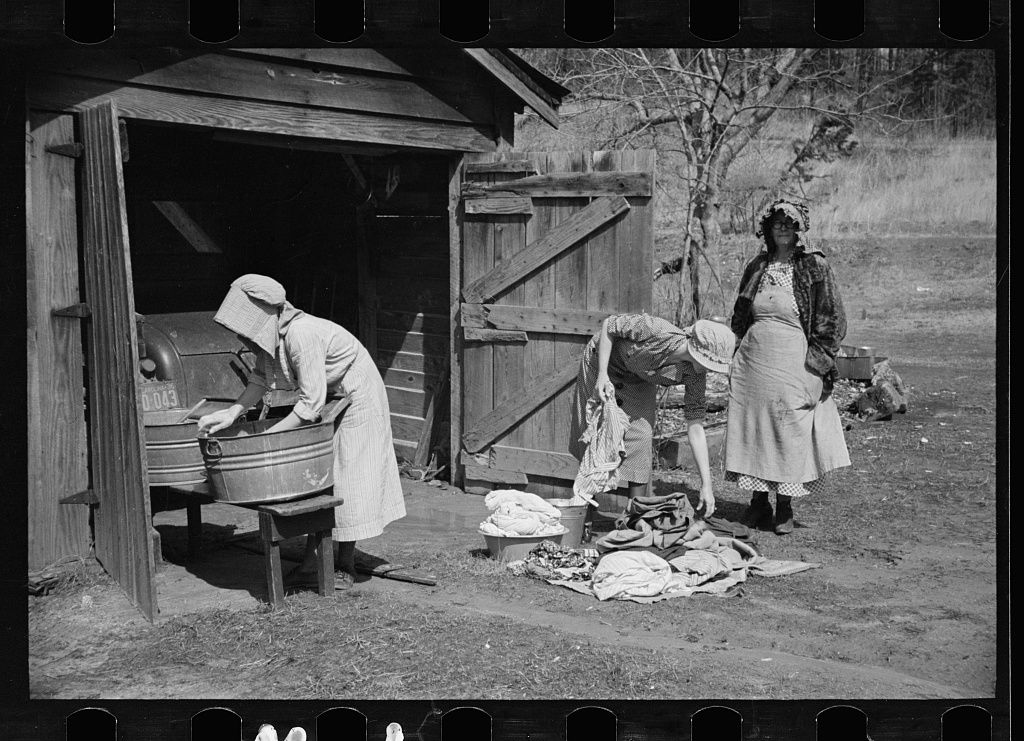
Clotheslines stretched like prayer flags across yards and alleyways, each garment pinned with pride and precision. Cotton aprons, worn work shirts, socks with stubborn holes: no item was too humble to escape the ceremony of cleanliness. Even in the harshest years, during war, drought, or financial ruin, there was something sacred about clean laundry flapping in the breeze. It said, we may be struggling, but we are not undone.
Long before the world measured time in digital minutes and synchronized calendars, American homemakers followed a domestic code. Their lives aligned with the days of the week as surely as the sun traced across the sky. Monday was for laundry. Tuesday, ironing. Wednesday, mending. Thursday, baking. Friday, scrubbing floors and polishing furniture. Saturday meant market day. And always, Sunday was for rest and worship, the very heart of the week. But Monday was for beginning again.


The Clean Start
Laundry belonged to the first day of the week for good reason. Sunday meals were often the largest of the week, with roasts, pies, and family gathered around the table. Monday marked the return to household work, and beginning with laundry helped provide clean clothing and linens for the days ahead. Rest on the Lord's Day. Begin the workweek with fresh linens, clear hearts, and a home ready to greet the week anew.
For the women who kept the home, Washday was not just a task. It was a ritual. Across decades, the process remained constant: soap-making, water-hauling, scrubbing, wringing, starching, drying, folding. Clothes were line-dried in backyards, over fences, between trees. Each sheet fluttered like a flag of dignity. It was a full-body task. Arms and knees felt every bit of the labor. And when it was done, the air carried a lasting sense of accomplishment, fragrant with sunshine.
Tools of the Trade
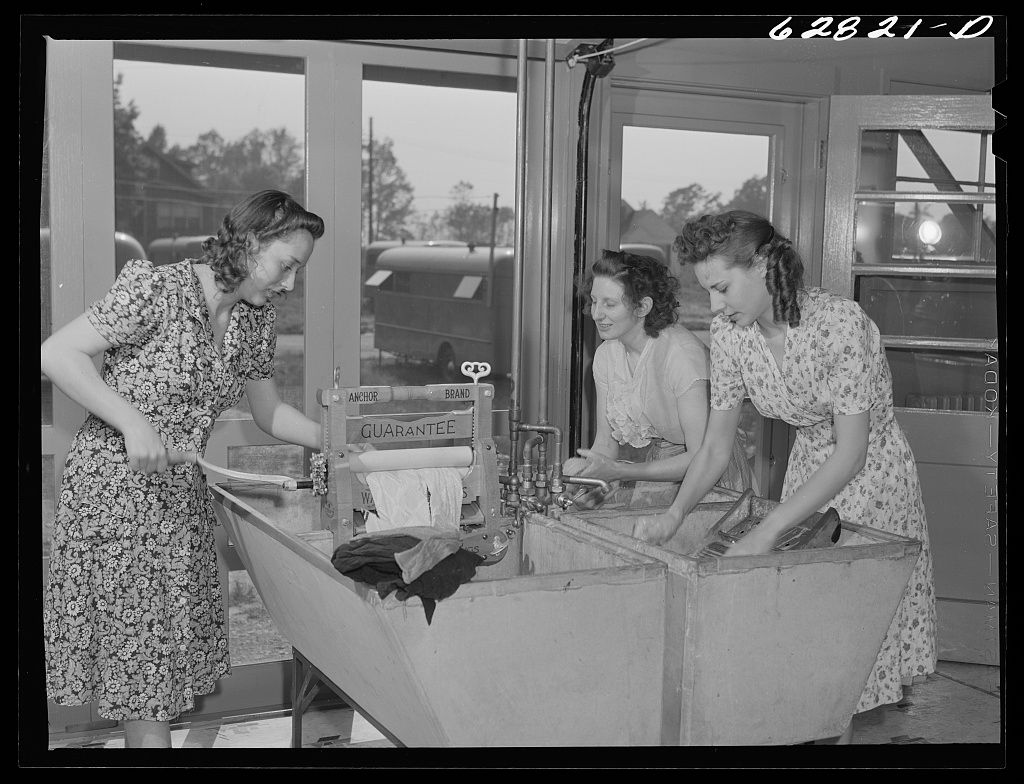
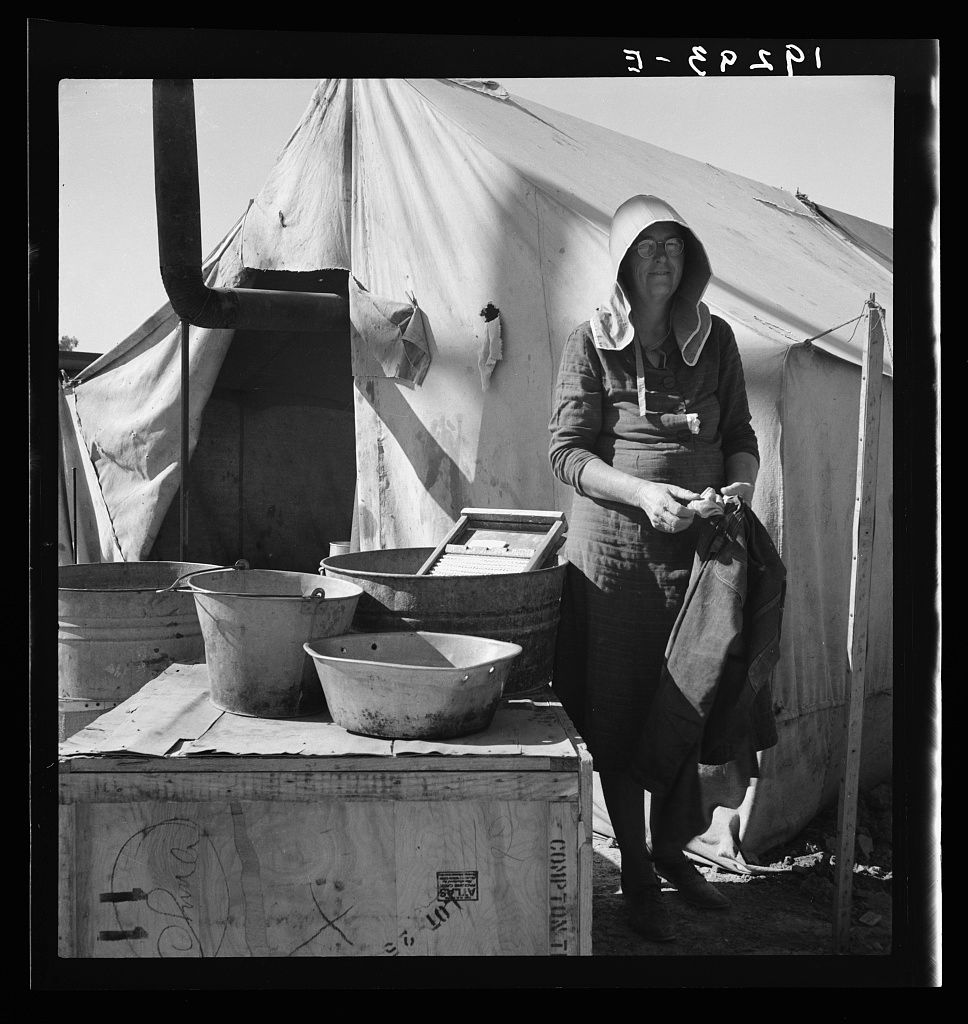
Homemade lye soap, heavy enamel basins, wooden washboards with metal ridges smoothed by time. Children might help stir cornstarch and water to make starch, while the family cat lounged on a pile of warm towels. As wringer washers replaced tubs, they eased the burden but never stripped away the meaning Monday laundry carried.
In many homes, especially rural ones, the clothesline became a symbol of pride. You could learn much about a family by what their backyard revealed: how many children lived there, what season it was, whether company had visited. Rows of handmade aprons, patched work shirts, pressed Sunday napkins. This was a life written in linen.
A Weekly Code of Order
Ask any grandmother and she will likely recite the housekeeping rhyme by heart:
- Monday – Wash
- Tuesday – Iron
- Wednesday – Mend
- Thursday – Bake
- Friday – Clean
- Saturday – Market
- Sunday – Rest
This timeless structure brought calm to chaos. It gave shape to the week, taught discipline to children, and kept households running with remarkable efficiency.
The Meaning Behind the Suds
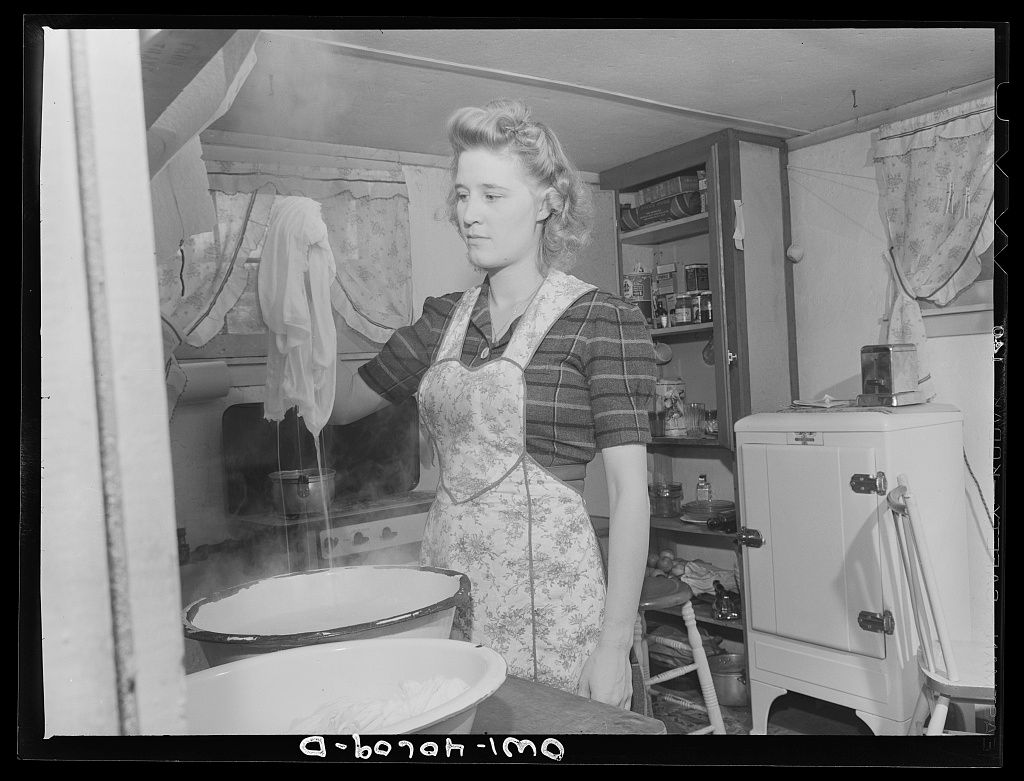
Washday was about more than clothes. It was about love, stewardship, and honoring the people under your roof. It meant mending a sock instead of tossing it. It meant starching collars, so your husband looked his best on Sunday. It meant folding a child’s nightshirt while whispering a prayer for their safety.
Though often unseen, this daily labor formed the foundation of a well-kept home: care, discipline, and grace.

What We’ve Forgotten, and What We Can Remember
Today, laundry is something we cram between errands or rush through late at night. We press buttons and toss in pods. While the ease is a blessing, the sacredness has slipped away.
I'm not asking us to boil linens over an outdoor fire. But there is wisdom in revisiting old rhythms. Could we reclaim Mondays not just as laundry day, but as an invitation to reset? Could we wipe away last week's worries and approach a new week with intention? Could we fold each towel with gratitude rather than hurry?
Start the week not with goals and ambitions, but with freshly washed sheets and socks tucked neatly away. It's a small moment that whispers trust. We begin again.
From My Porch to Yours
Since I left city life behind for country living, Washday Mondays fill me with gratitude. Not nostalgia, but a keen awareness that in a world rushing faster every day, there is value in slowing down. In lifting a wet towel to the line. In small beginnings that feel sacred.
I still have laundry to do every day. Life demands it. But I've noticed I've started doing more on Mondays than any other day of the week. There's something about it that feels right, grounding, like I'm stepping into a rhythm older than I am. And I want to get better, more intentional, about honoring that rhythm.
I've never dried clothes on a line outside. Around here, if something needs to be hung, it goes on the drying rack in the laundry room. Still, every time I pass my neighbor's yard and see a few shirts catching the breeze, I pause. There's a simple beauty to it, something timeless that reminds me home has always been built one ordinary task at a time.
So, pour a glass of sweet tea, let the hum of the washer settle around you, and remember that Monday marks more than chores. It's an invitation to begin again.
Until next time, thank you for spending a little time with me. I hope you'll find a recipe to make, a story to enjoy, and maybe learn something new along the way. ♥️
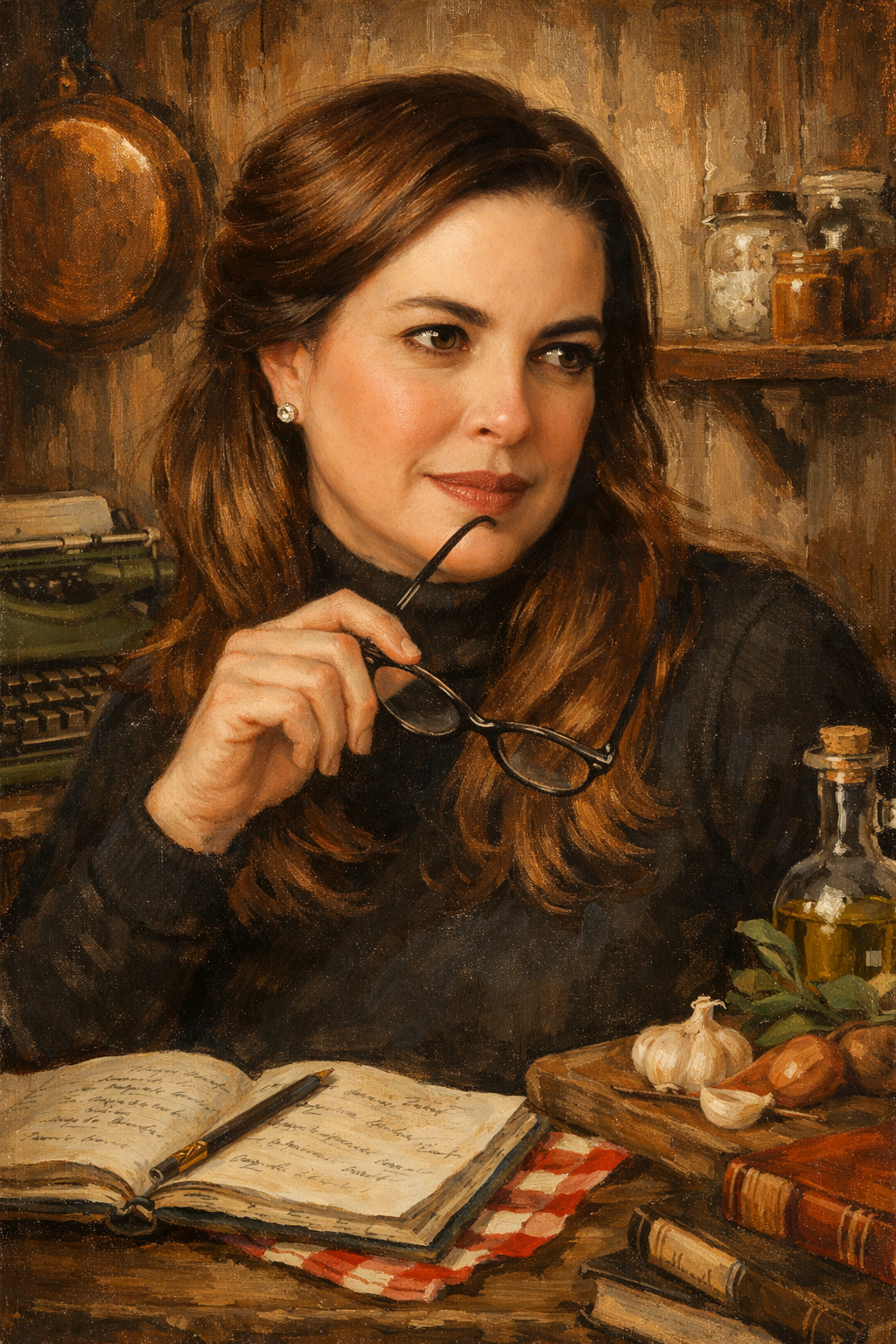
Stasia Boschetti is an American culinary writer, former caterer, recipe developer, and founder of American Country Living. With a deep love for the food, stories, and traditions that make a kitchen feel like home, she writes from personal experience and a genuine appreciation for the way cooking connects us to family, place, and the past. Through practical recipes, regional dishes, food history, and heirloom cooking, Stasia shares the warmth, character, and everyday beauty of American country cooking.