Washington’s Rules of Civility and Lessons in Etiquette
Etiquette is often thought of as old-fashioned rules or stiff formality, but its true purpose is connection. In this article, I revisit the timeless guidance of George Washington’s Rules of Civility and reflect on how these lessons of respect, mindfulness, and moral character remain deeply relevant in our modern lives. Whether in the kitchen, at the table, or in everyday interactions, these principles remind us that grace is both simple and profound.

Etiquette Born in the Kitchen
I came to etiquette through the kitchen. Years spent catering, hosting, and welcoming others taught me that hospitality extends far beyond what is served at the table. Nearly two decades ago, I began to recognize how manners shape the emotional tone of a gathering. Food draws people together, but it is courtesy that makes them feel at home.
In 2008, I pursued formal etiquette training and became certified, not to elevate myself, but to strengthen my work and bring a greater sense of ease and consideration into every interaction. At the time, it felt like a natural extension of hospitality rather than a departure from it.
What surprised me was how that knowledge subtly changed the way others responded to me. A few acquaintances who once carried themselves with an air of superiority suddenly seemed unsettled. I had not changed my demeanor, but awareness has a way of revealing contrasts. It became clear that etiquette, when practiced sincerely, exposes the difference between true grace and mere performance. Real civility is never about dominance or display. It rests in humility, kindness, and attentiveness toward others.

The Wisdom of George Washington
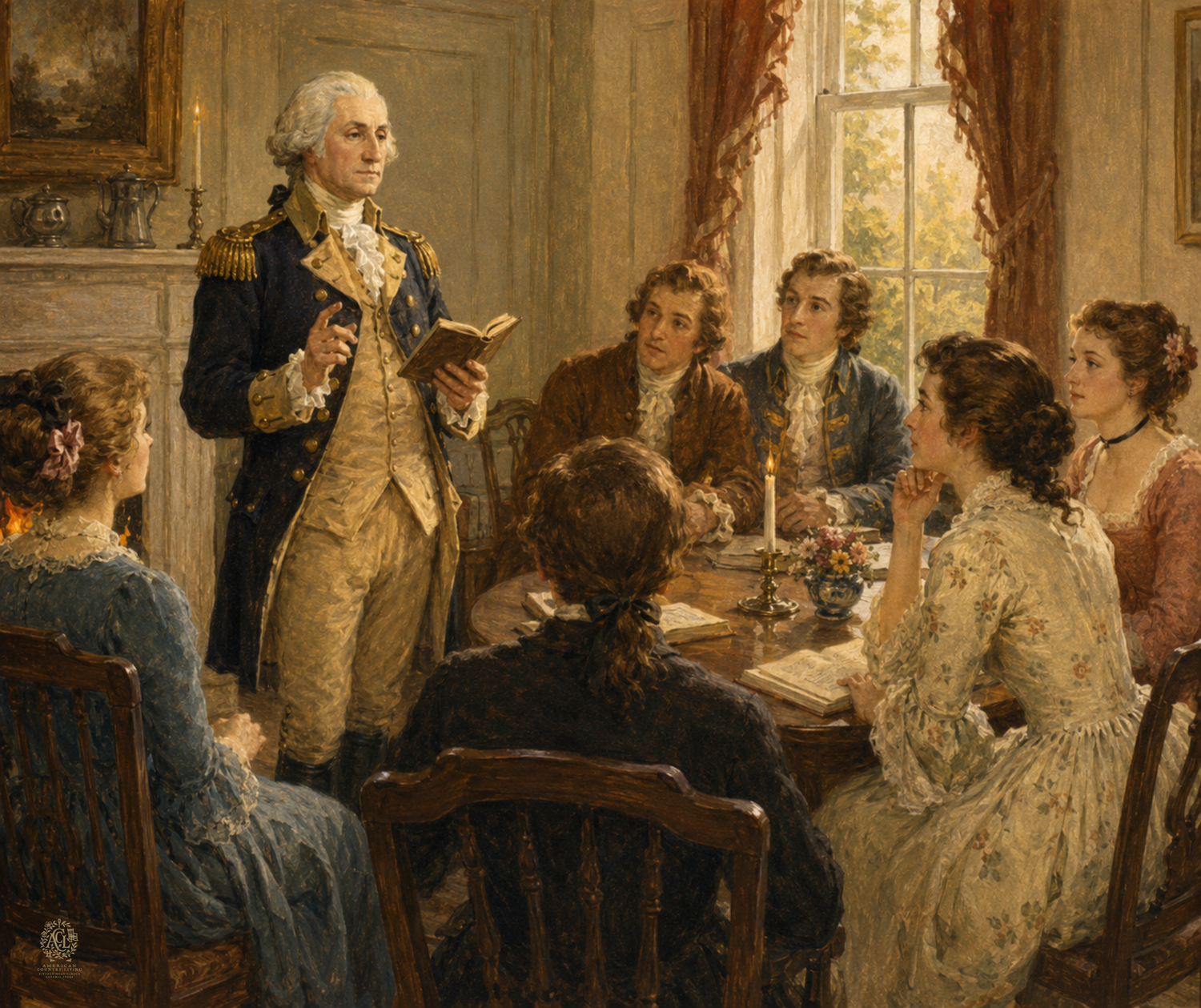
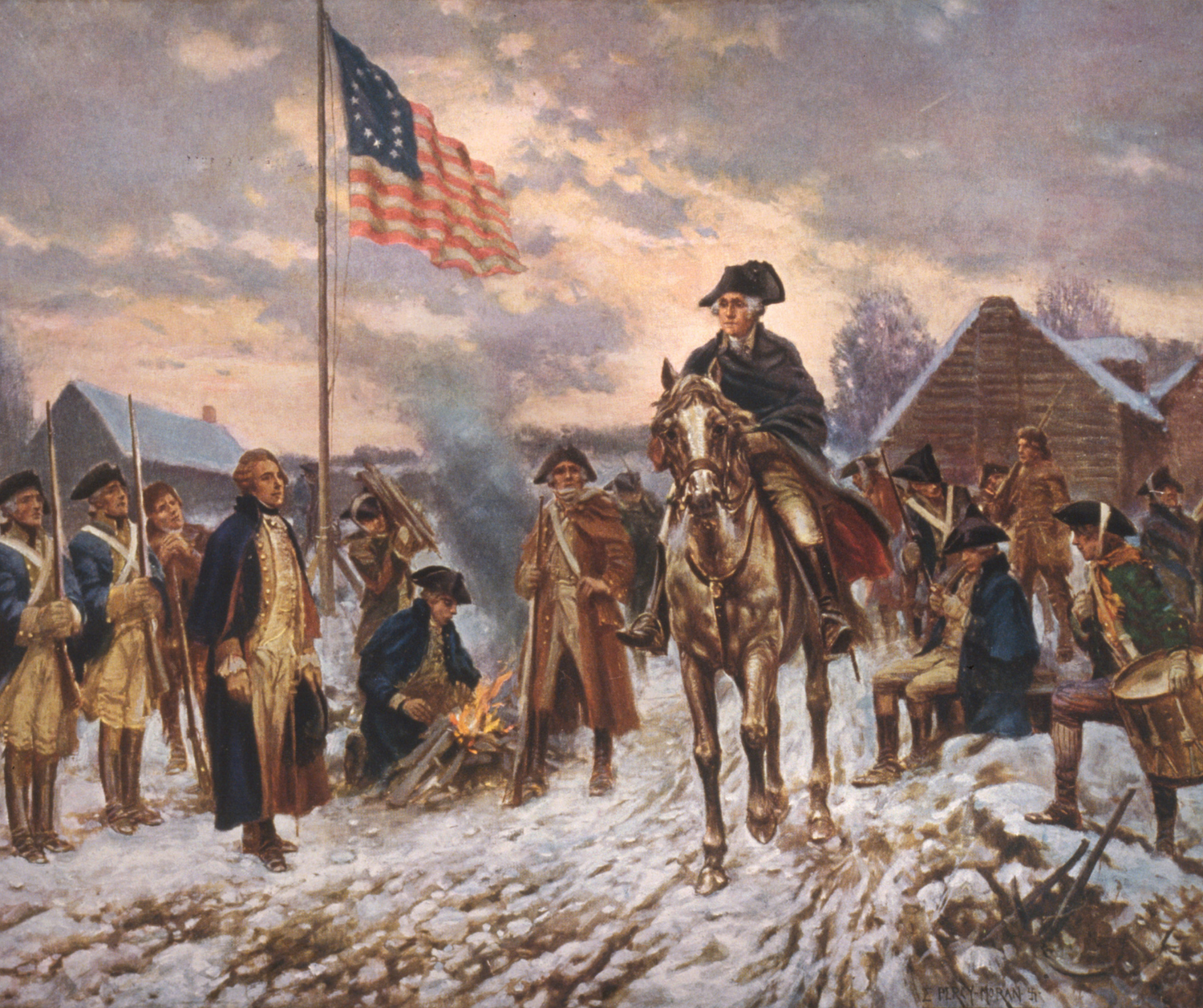
During this season of growth, I found myself returning to the wisdom of George Washington’s Rules of Civility and Decent Behavior. As a young man, Washington carefully transcribed all 110 rules as a guide for shaping his character long before leadership or legacy were in view. These maxims were not written to impress society, but to discipline the self. Centuries later, they remain strikingly relevant, particularly for those seeking to cultivate homes grounded in respect and moral clarity.
Selected Rules and Their Modern Relevance
This rule reminds us that respect is the foundation of all social life. In a world filled with distractions and divided attention, simply acknowledging others carries great weight. Listening fully, responding thoughtfully, and offering small gestures of consideration signal that the people around us are valued. These quiet moments strengthen families, friendships, and communities.
This maxim speaks to awareness and restraint. It calls us to be present, observant, and responsive rather than self-directed. Courtesy often reveals itself in knowing when to pause, when to rise, and when to allow space for others. In practicing these habits, we affirm the dignity of those we share space with and foster an atmosphere of mutual regard.
Here, Washington reminds us that character is most clearly revealed when compassion is inconvenient. Refraining from delight in another’s hardship, even when disagreement exists, requires moral discipline. This rule encourages empathy over ego and generosity over judgment.
This rule speaks powerfully to discernment. The company we keep influences our habits, our tone, and our standards. Washington understood that civility is reinforced through example. This wisdom extends to friendships, influences, and the environments we welcome into our lives and homes.
At the heart of Washington’s rules lies character. This final maxim urges us to tend carefully to our moral compass. In a culture that often rewards speed, volume, and visibility, conscience requires intention. When we nurture it, we build lives rooted in integrity, compassion, and consistency between belief and action.


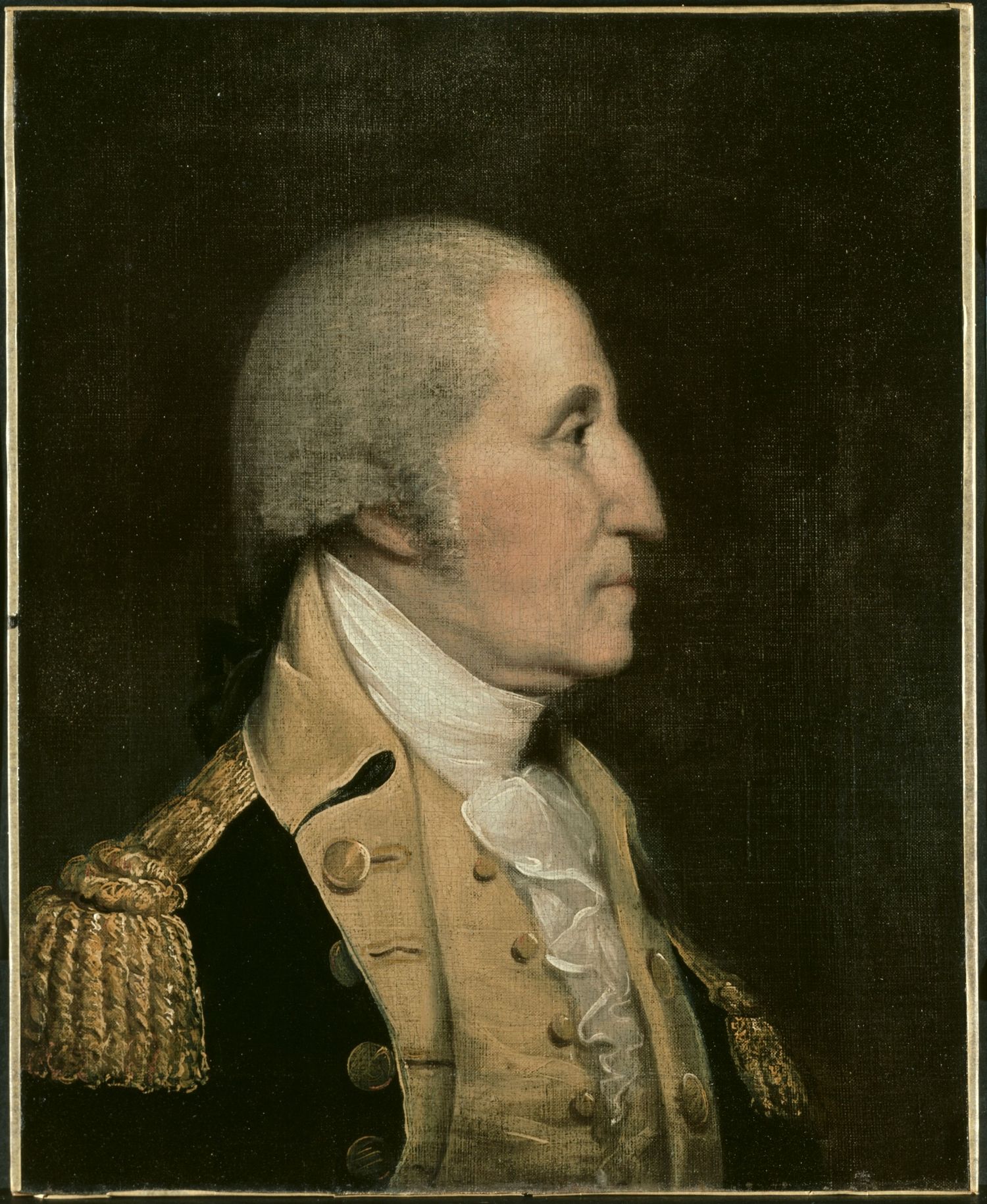
The enduring relevance of George Washington’s Rules of Civility lies in their simplicity and depth. They remind us that grace is not outdated, nor is it performative. It is lived daily through attentiveness, humility, and moral clarity. By practicing these principles within our homes, we pass on something far more lasting than etiquette alone.
In embracing these timeless rules, we do not merely preserve tradition. We strengthen the fabric of our homes and communities through genuine kindness and quiet integrity.

Stasia Boschetti is an American culinary writer, former caterer, recipe developer, and founder of American Country Living. With a deep love for the food, stories, and traditions that make a kitchen feel like home, she writes from personal experience and a genuine appreciation for the way cooking connects us to family, place, and the past. Through practical recipes, regional dishes, food history, and heirloom cooking, Stasia shares the warmth, character, and everyday beauty of American country cooking.