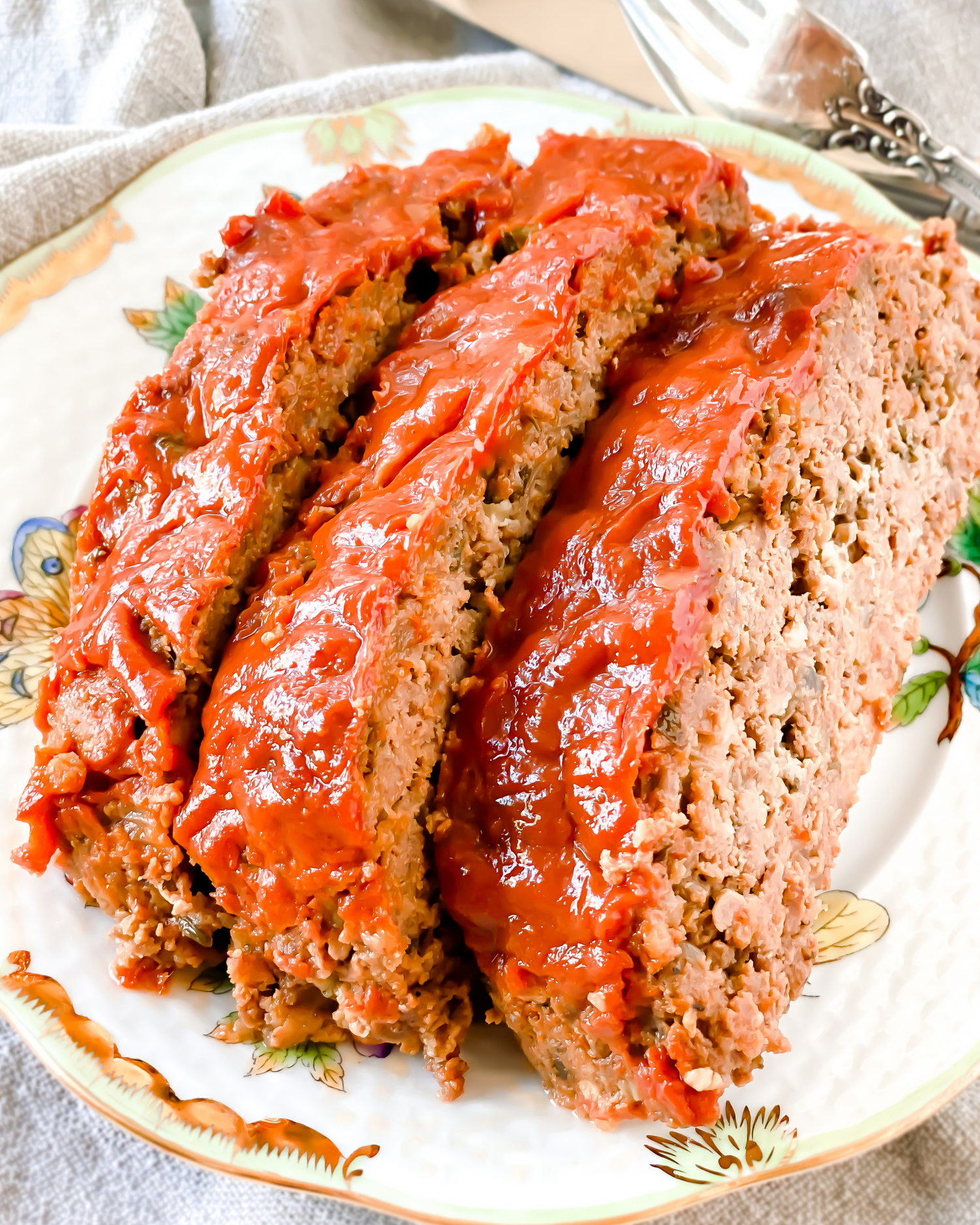
Classic Meatloaf Recipe
There is something wonderfully comforting about the smell of meatloaf baking in the oven.
It fills the whole house long before supper is ready. The onions soften, the seasonings bloom, and that familiar tomato glaze begins to caramelize across the top. By the time someone asks, "How much longer?" everyone already knows what dinner is.
I have always believed that meals like this deserve a place on every family table. They are dependable. They make enough to feed everyone, often with leftovers for the next day's sandwiches, and they remind us that good home cooking has never needed to be complicated to be memorable.
Meatloaf has been part of American home cooking for well over a century, but its story begins even earlier. Versions of minced and seasoned meat bound together with bread have appeared in European cooking for hundreds of years. German, Dutch, Scandinavian, and Italian immigrants all brought their own family recipes to America, each using the ingredients that were familiar at home. Those traditions gradually blended together as families settled across the country.
By the late nineteenth century, American cookbooks began including recipes for chopped meat baked into a loaf. Home cooks discovered that combining ground beef with breadcrumbs, eggs, milk, and seasonings created a meal that was filling, economical, and easy to prepare. It stretched meat to feed growing families while producing a hearty supper that could be sliced and served with potatoes, vegetables, or fresh bread.
During the early twentieth century, meatloaf became even more common. Mechanical meat grinders made ground beef easier to prepare, and neighborhood butchers often ground fresh meat to order. By the 1930s and throughout the Great Depression, recipes that stretched every pound of meat became an important part of everyday cooking. Breadcrumbs, cracker crumbs, rolled oats, or even leftover cooked cereal found their way into the mixture because nothing useful was wasted.
After World War II, meatloaf became one of the defining meals of the American kitchen. Community cookbooks, newspaper food pages, and women's magazines published countless family versions. Home economists developed recipes that reflected changing grocery stores, where ketchup, canned tomato sauce, dried onion soup mix, and prepared seasonings were becoming pantry staples. Every neighborhood seemed to have its own favorite recipe, often passed from one handwritten recipe card to another.
I don't know who first decided meatloaf deserved a shiny ketchup glaze across the top, but clearly they knew what they were doing.
That sweet, tangy topping has become just as recognizable as the loaf itself. As it bakes, the sugars caramelize and create the rich, slightly sticky finish that so many of us remember from childhood dinners. For many families, it simply would not feel like meatloaf without it.
Like so many classic American recipes, meatloaf has always welcomed a cook's personal touch. One family mixes in finely diced bell pepper while another reaches for grated carrot. Some swear by saltine crackers, while others have always used breadcrumbs or oats. Fresh parsley grows in one backyard garden, while dried herbs come from the pantry shelf. Every version reflects the kitchen where it is made.
Perhaps that is why meatloaf has remained such a lasting favorite. It fits comfortably into everyday life. It can be assembled ahead before a busy afternoon, baked while homework is spread across the kitchen table, or served on a Sunday evening with mashed potatoes, green beans, and buttered rolls. Then, if you're lucky, a few slices remain for tomorrow's meatloaf sandwiches with mayonnaise, crisp lettuce, and thick slices of tomato.
Those simple moments are what give recipes their staying power. They become woven into ordinary days until one familiar smell from the oven can bring back memories of family dinners from decades ago.
Classic meatloaf has earned its place in American kitchens because it has always been honest food. It uses familiar ingredients, rewards careful cooking, and gathers people around the table with very little fuss. Generation after generation, it continues to prove that the meals we remember most are often the simplest ones.
Until next time, thank you for spending a little time with me. I hope you'll find a recipe to make, a story to enjoy, and maybe learn something new along the way. ♥️
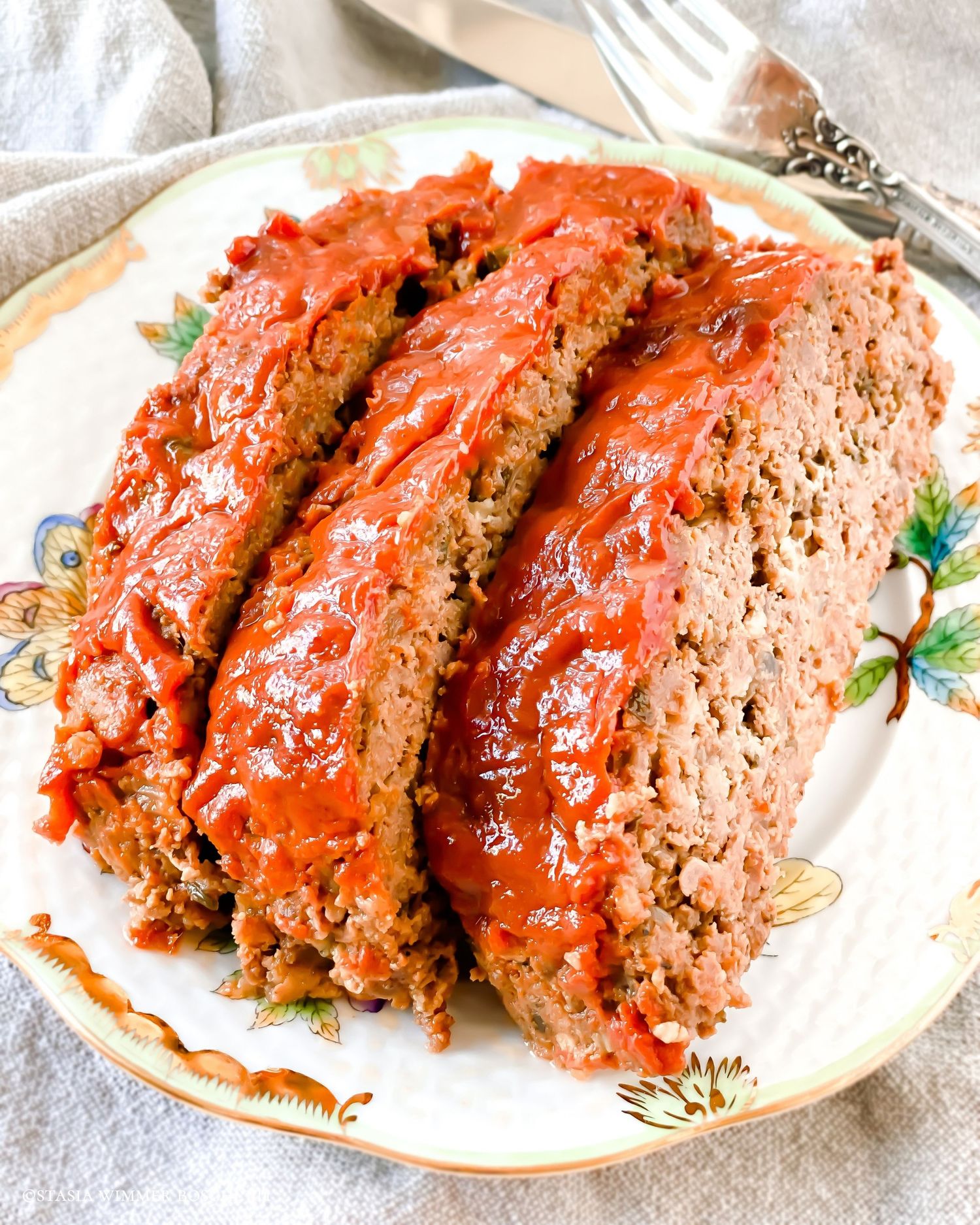
Classic Meatloaf Recipe
PREP TIME: 25 MINUTES
COOK TIME: 1 hour 15 MINUTES
OVEN TEMPERATURE: 350°F
SERVINGS: 6 SERVINGS
Ingredients:
2 1/2 pounds ground beef
2 large eggs, beaten
1/2 cup panko bread crumbs
Onion Mixture
1 large shallot, diced
1 onion, chopped
2 garlic cloves, minced
2 teaspoons salt
1 teaspoon black pepper
1 teaspoon dried thyme
1/2 cup beef broth
1/2 cup ketchup
2 tablespoons Worcestershire Sauce
2 tablespoons fresh parsley, chopped
1 tablespoon olive oil, for cooking
Glazed Topping
3/4 cup ketchup
4 tablespoons yellow mustard
4 tablespoons brown sugar
1 tablespoon Worcestershire Sauce
Instructions:
- Preheat oven to 350°F. Line a rimmed sheet pan with parchment paper, set aside.
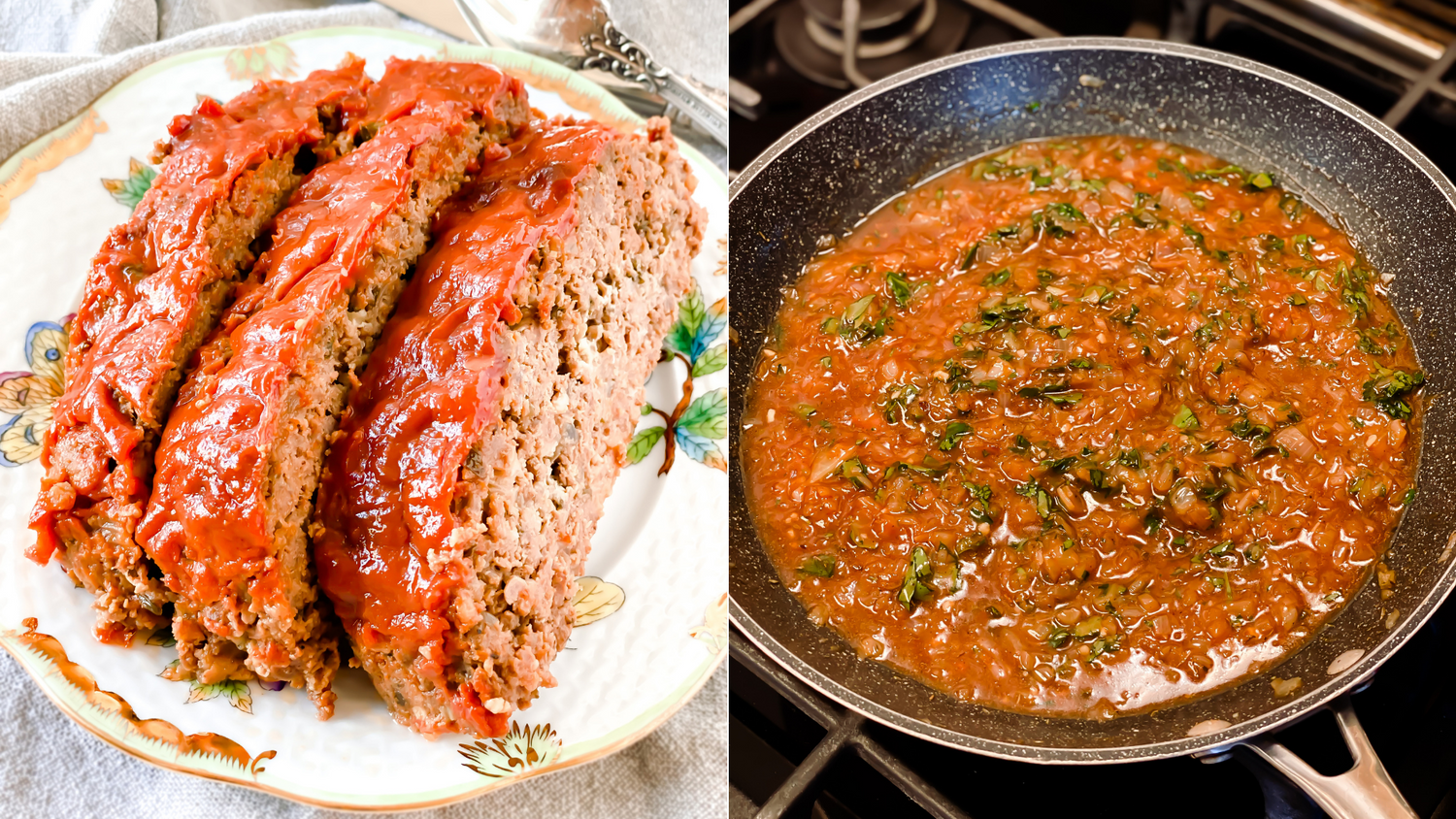
- In a medium skillet over medium to low heat sauté the shallots, onions, garlic, salt, black pepper, and dried thyme in olive oil until the onions are translucent and soft. Turn off the heat and stir in the beef broth, ketchup, Worcestershire Sauce, and fresh parsley. Set aside to cool slightly.
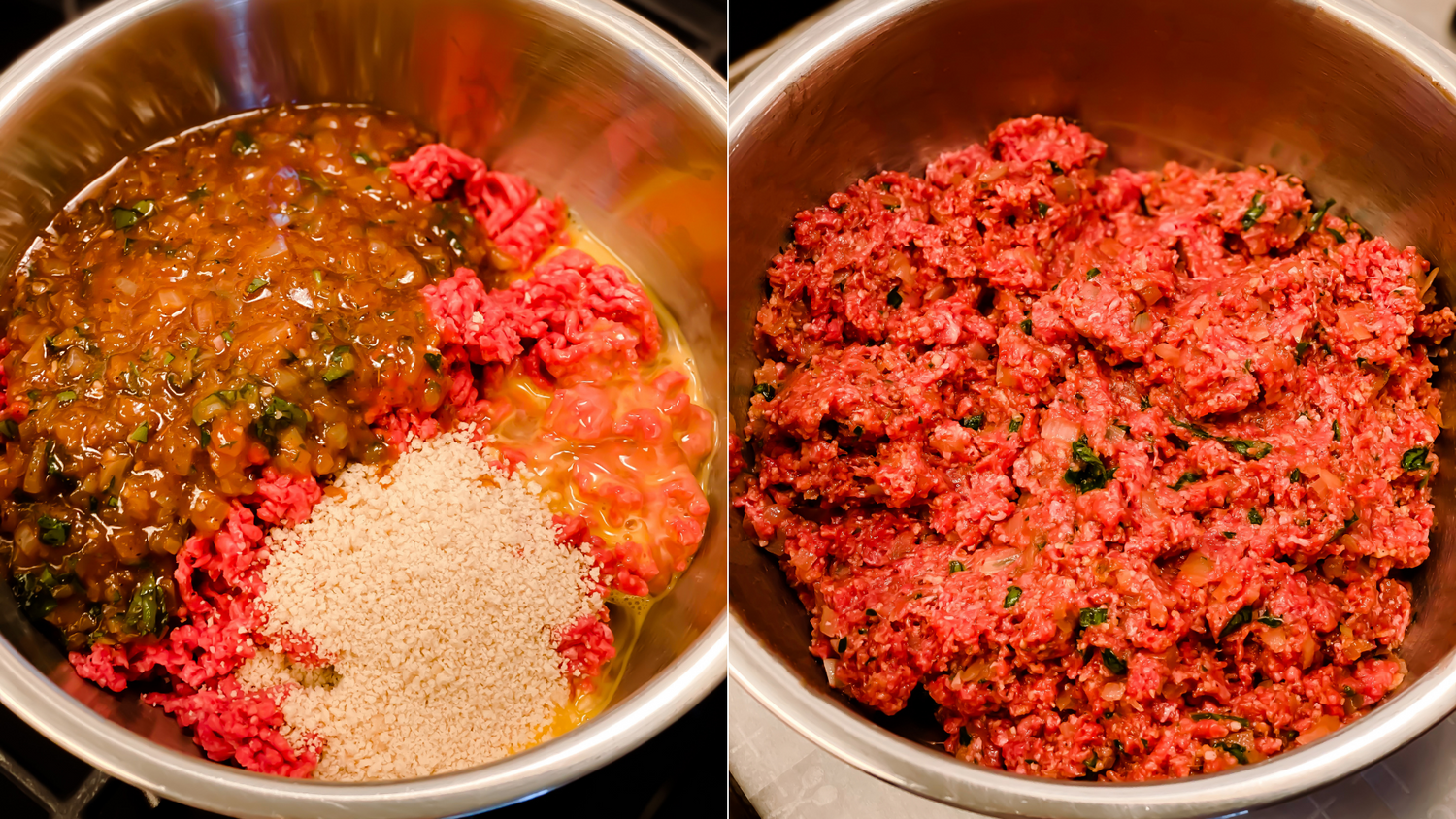
- In a large bowl add the ground beef, panko bread crumbs, and beaten eggs. Add the slightly cooled onion mixture and mix together until combined. Don't over work the meat, you want to keep it loose and airy, mix ingredients until combined but not packed tight.
- In a separate small bowl, whisk together the ketchup, mustard, brown sugar, and Worcestershire Sauce.
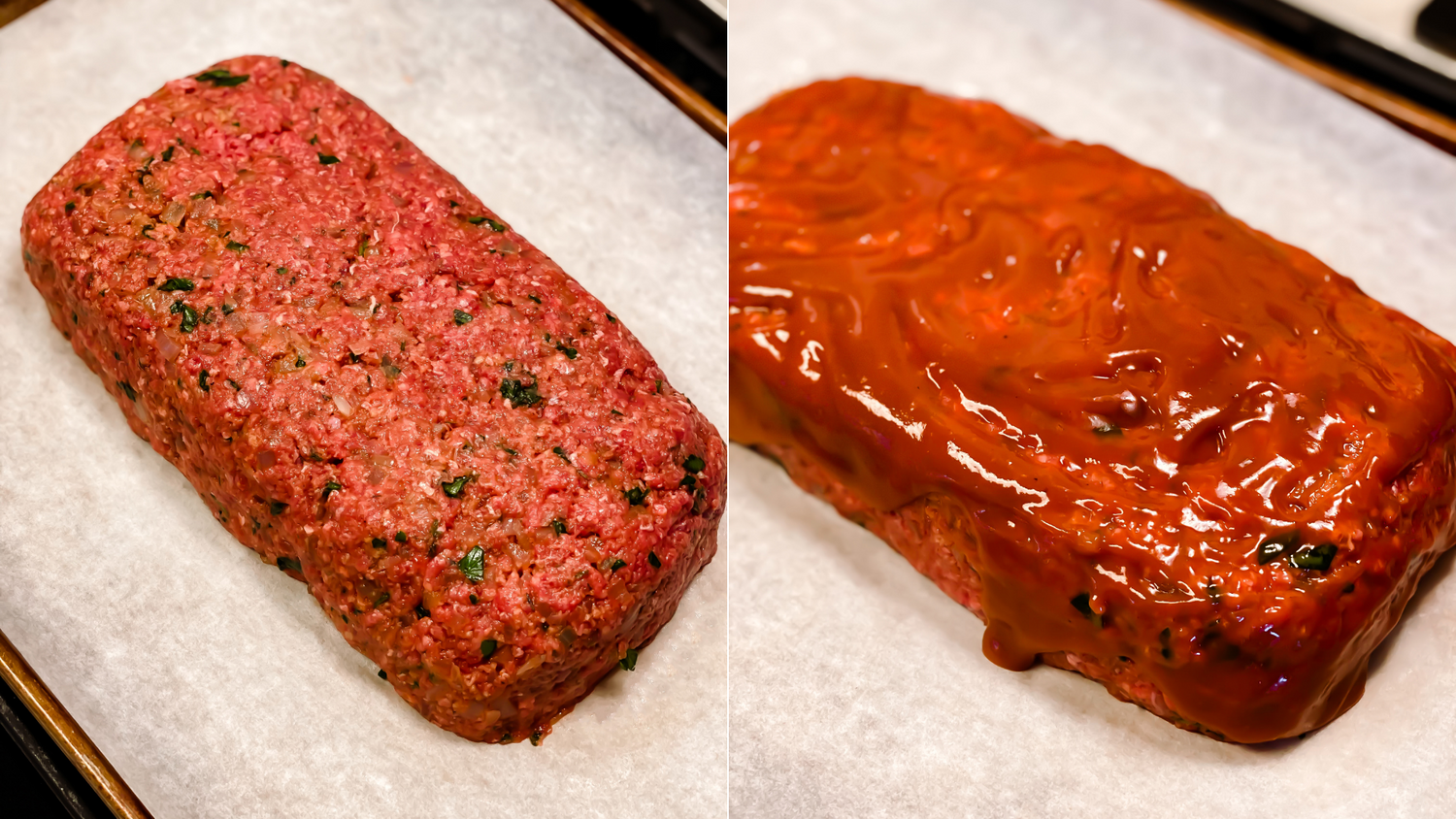
- Turn Meatloaf out onto the prepared sheet pan and shape into a loaf. Spread ½ of the glaze over the top of the Meatloaf now, and then halfway through cooking add the remaining glaze.
- Bake Meatloaf at 350°F for 1 hour to 1 hour and 15 minutes, or until an instant read thermometer shows an internal temperature of 160°F. Slide the thermometer in from the end towards the middle to get a good read. Enjoy!