Mixed Berry Pie
A berry pie can tell you a surprising amount about American cooking: what grew nearby, what ripened at the same time, and how generations of cooks learned to make something memorable from fruit, sugar, and pastry.
Fruit pies were already firmly established in American kitchens by the end of the eighteenth century. In 1796, Amelia Simmons published American Cookery in Hartford, Connecticut, the first known cookbook written by an American and published in the United States. Her instructions for fruit pie were wonderfully direct. Plums, raspberries, blackberries, and similar fruits could simply be sweetened, left without spice, and baked in pastry. It is a small instruction, but it says a great deal about early American cooking. When the fruit was good, cooks knew when to leave it alone.
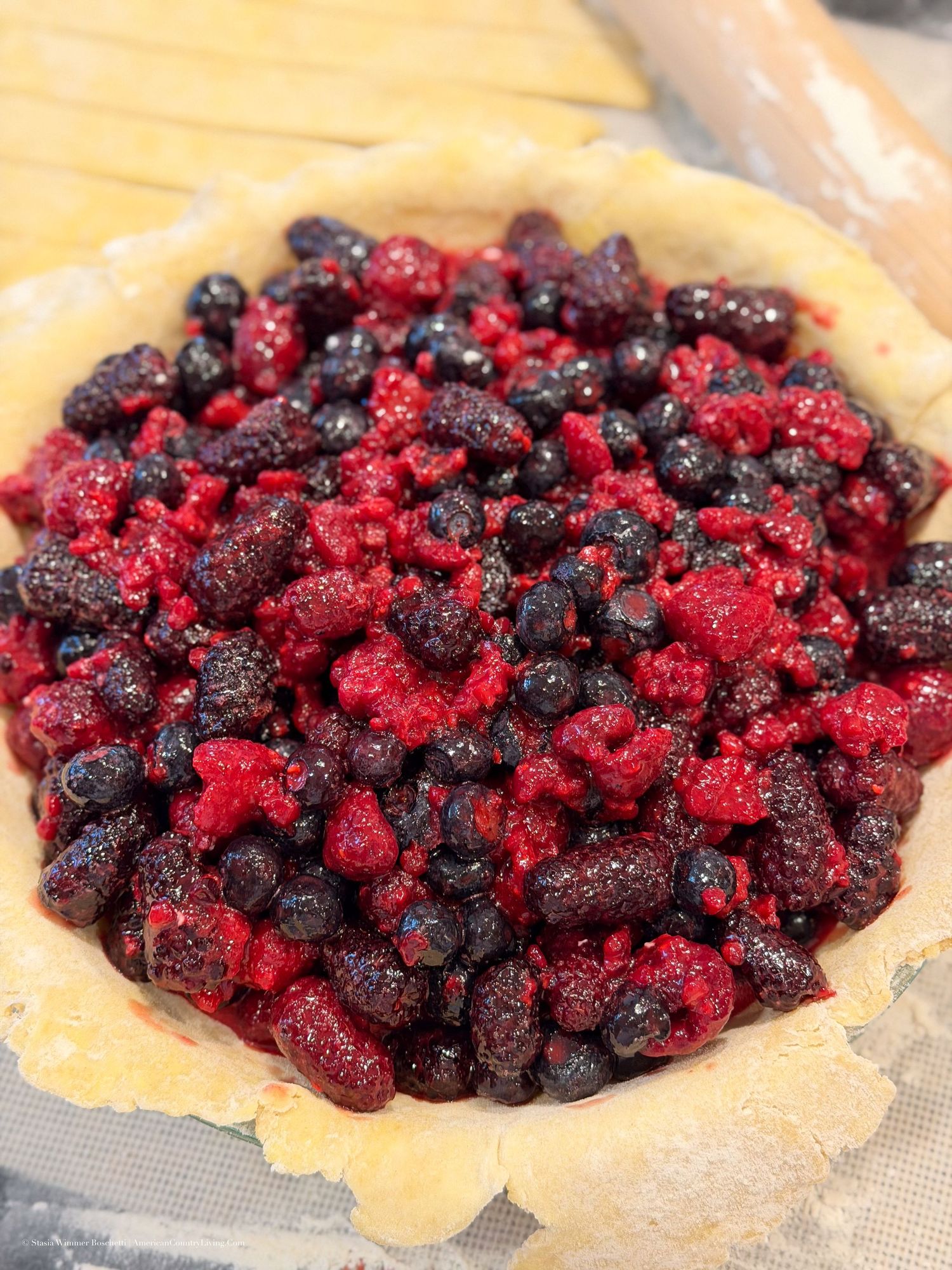
That approach still makes sense with a mixed berry pie. Blackberries bring their deep, wine-colored juice and slight earthy edge. Raspberries soften quickly and give the filling its perfume and tartness. Blueberries hold their shape longer in the oven, bursting here and there as the pie bakes. Together, they produce a filling with more character than any single berry can give on its own.
Berry pies have always depended on judgment because fruit rarely behaves exactly the same way twice. Berries picked after several days of rain can release considerably more juice. Fruit from a hot, dry stretch may be sweeter and more concentrated. The cook standing at the counter has to pay attention to what is actually in the bowl, particularly when deciding how much sugar and thickener the filling needs.


That kind of observation was once ordinary kitchen knowledge. Before standardized recipes and supermarket fruit available through much of the year, cooks worked according to the harvest. Berries were eaten fresh, baked into pies and puddings, or preserved so their season could be stretched into the months ahead. Simmons devoted space in American Cookery to preserving raspberries and strawberries as well, evidence of how valuable a ripe crop could be once it came into the kitchen.
A mixed berry pie carries that same straightforward idea forward. Good pastry, ripe fruit, enough sugar to sharpen the berries rather than bury them, and enough time after baking for the juices to settle into a proper slice.
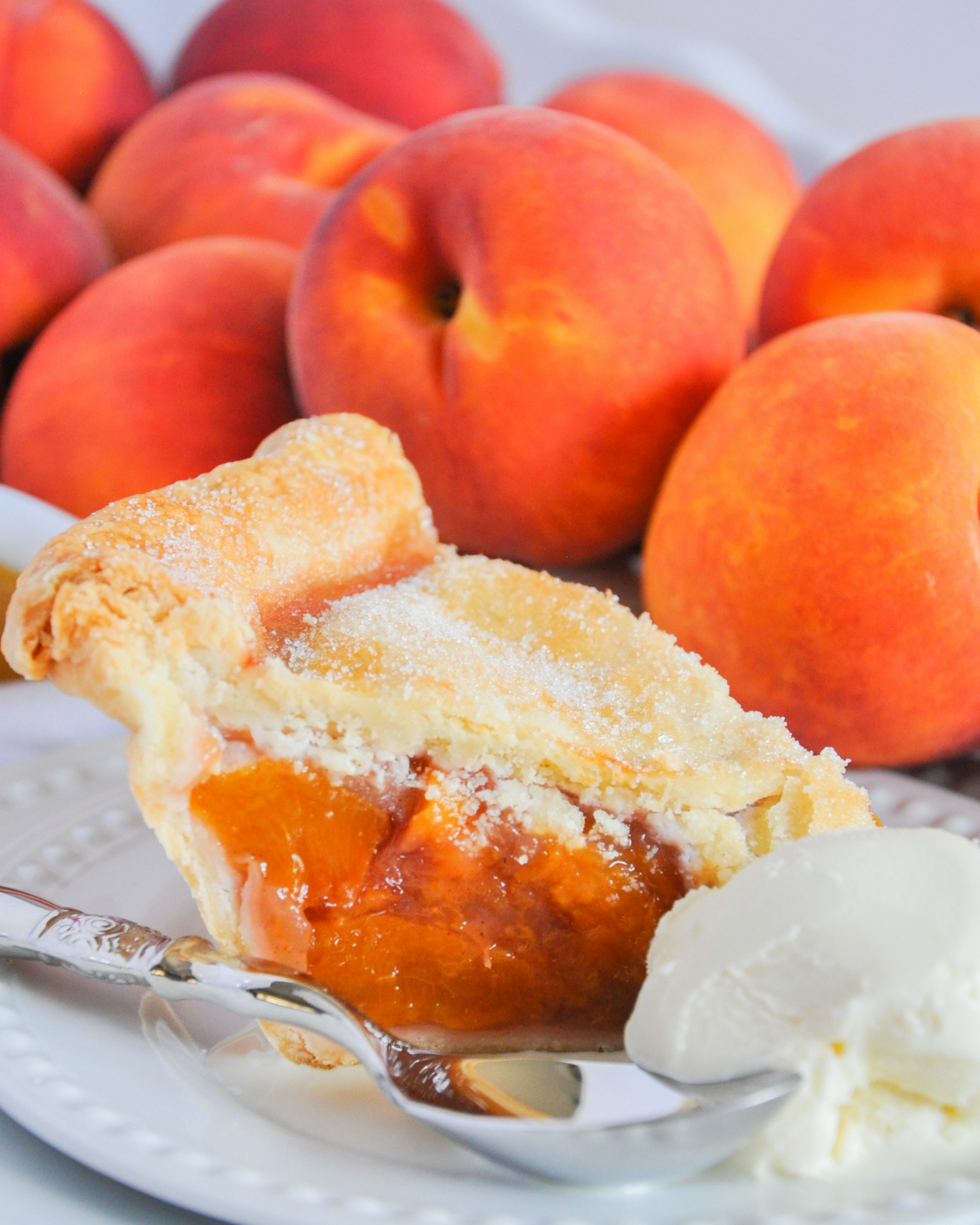
I like it slightly warm, when the filling is still loose enough to run into a scoop of vanilla ice cream. Give the pie more time to cool and the berries settle into a firmer slice, streaked purple and red where the different fruits have baked together. Either way, it remains one of the clearest expressions of summer fruit we have put into American pastry for generations.
Until next time, thank you for spending a little time with me. I hope you find a recipe to make, a story to enjoy, and something new to take into the kitchen. ♥️
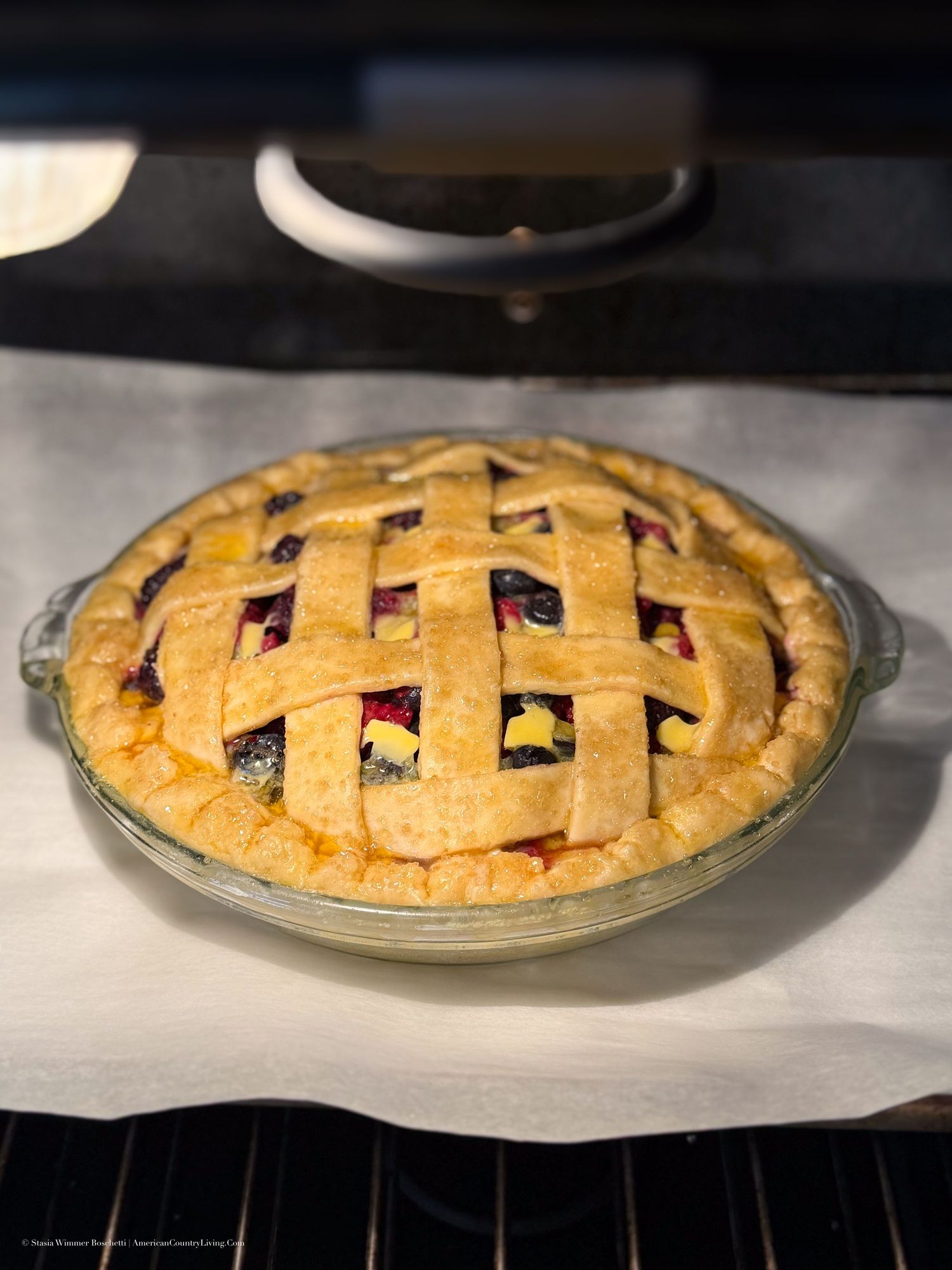
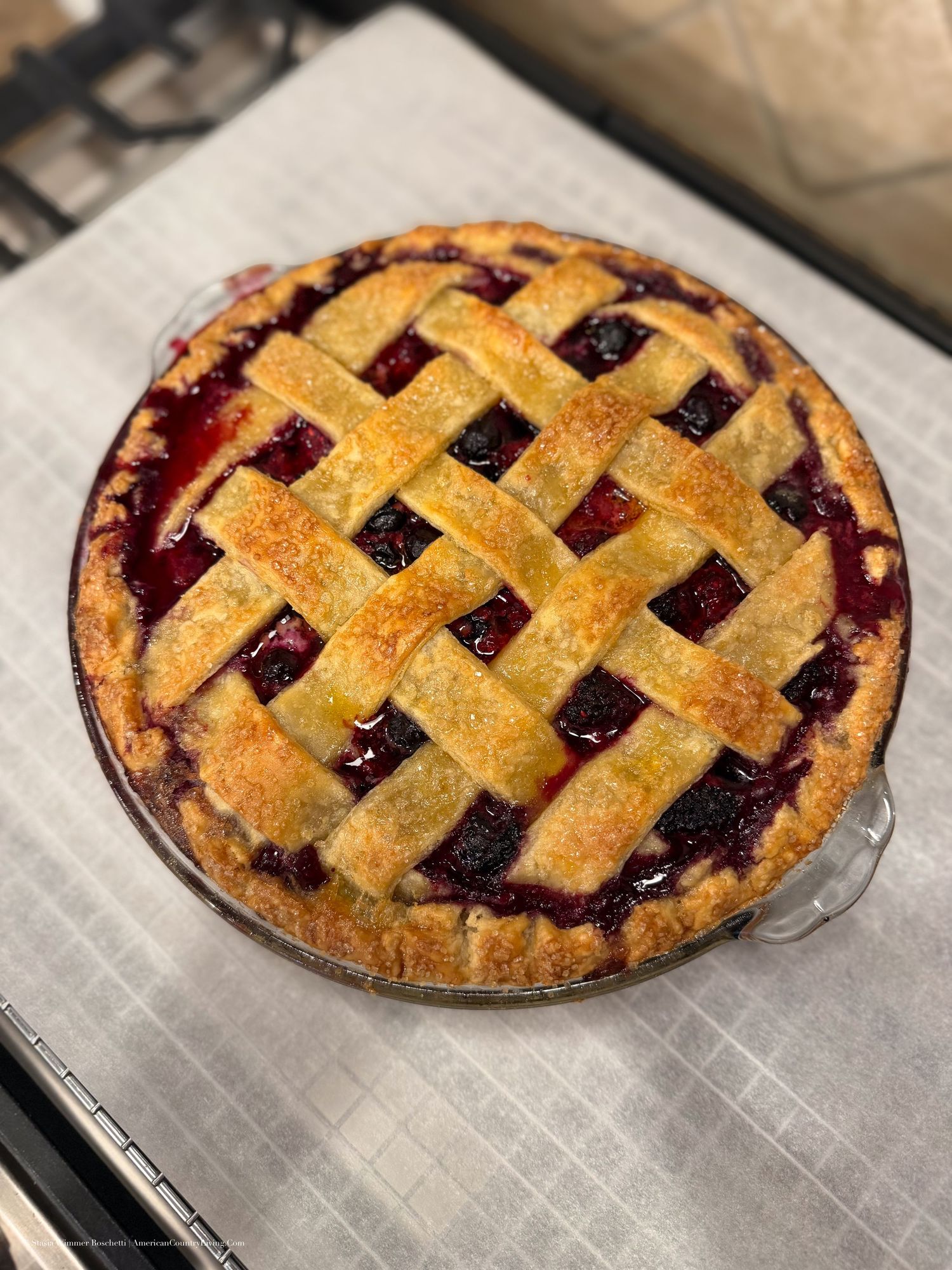
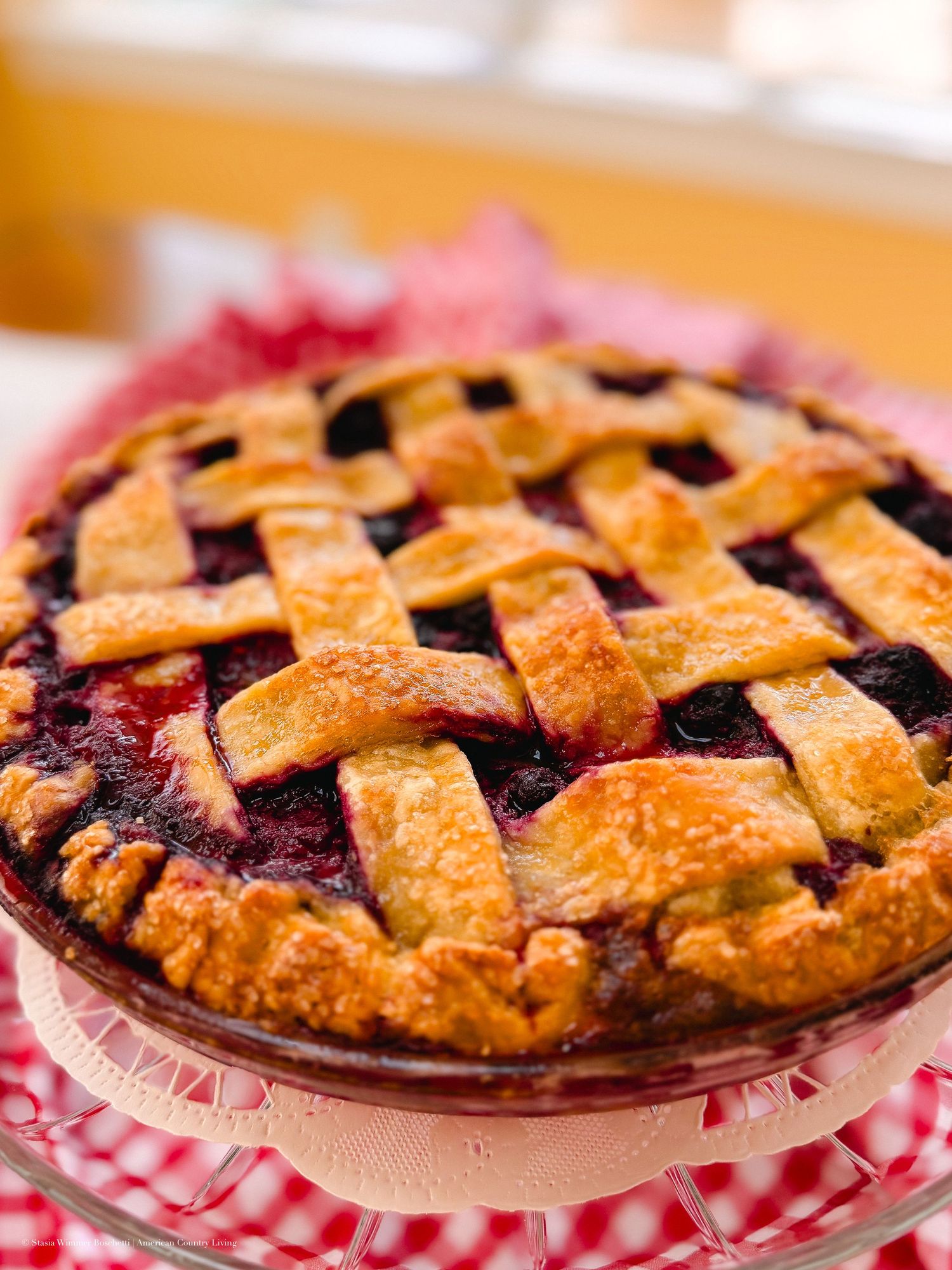

Mixed Berry Pie Recipe
This traditional American fruit pie uses ripe berries, a proper flaky crust, and just enough support to hold clean slices while keeping the jammy richness of summer fruit. Blueberries, blackberries, and raspberries combine for bright flavor and natural structure.
Prep Time: 35 minutes
Chill Time: 1 hour 30 minutes
Bake Time: 55 minutes
Total Time: 3 hours
Servings: 8
Ingredients
For the crust
2 1/2 cups all-purpose flour
3/4 teaspoon table salt
2 tablespoons sugar
1 cup (2 sticks) cold unsalted butter, cut into small cubes
6 to 8 tablespoons ice water
For the filling
5 to 6 cups mixed berries (about 2 1/2 cups blueberries, 1 1/2 cups blackberries, 1 to 1 1/2 cups raspberries)
3/4 cup sugar (adjust down slightly if berries are very sweet)
1/3 cup (about 5 to 6 tablespoons) cornstarch (or substitute quick-cooking tapioca or Instant ClearJel for clearer results; see notes)
1 small Granny Smith apple, peeled and grated (about 1/2 to 3/4 cup; wring lightly in a clean towel if very juicy)
1 tablespoon fresh lemon juice
1 teaspoon vanilla extract
Pinch of salt
To finish
1 tablespoon unsalted butter, cut into small pieces
1 egg, beaten with 1 tablespoon water (for egg wash)
Coarse sugar for sprinkling
Instructions
Make the crust:
- In a large bowl, whisk together the flour, salt, and sugar. Add the cold butter cubes and work in with your fingertips or a pastry blender until the mixture forms coarse crumbs with some flat, pea-sized pieces remaining. Add ice water 1 tablespoon at a time, mixing gently until the dough just comes together. It should look slightly rough, not smooth.
- Turn out onto a work surface, press together into a cohesive mass, divide into two discs, wrap tightly, and refrigerate for at least 1 hour (or up to 2 days).
Prepare the bottom crust:
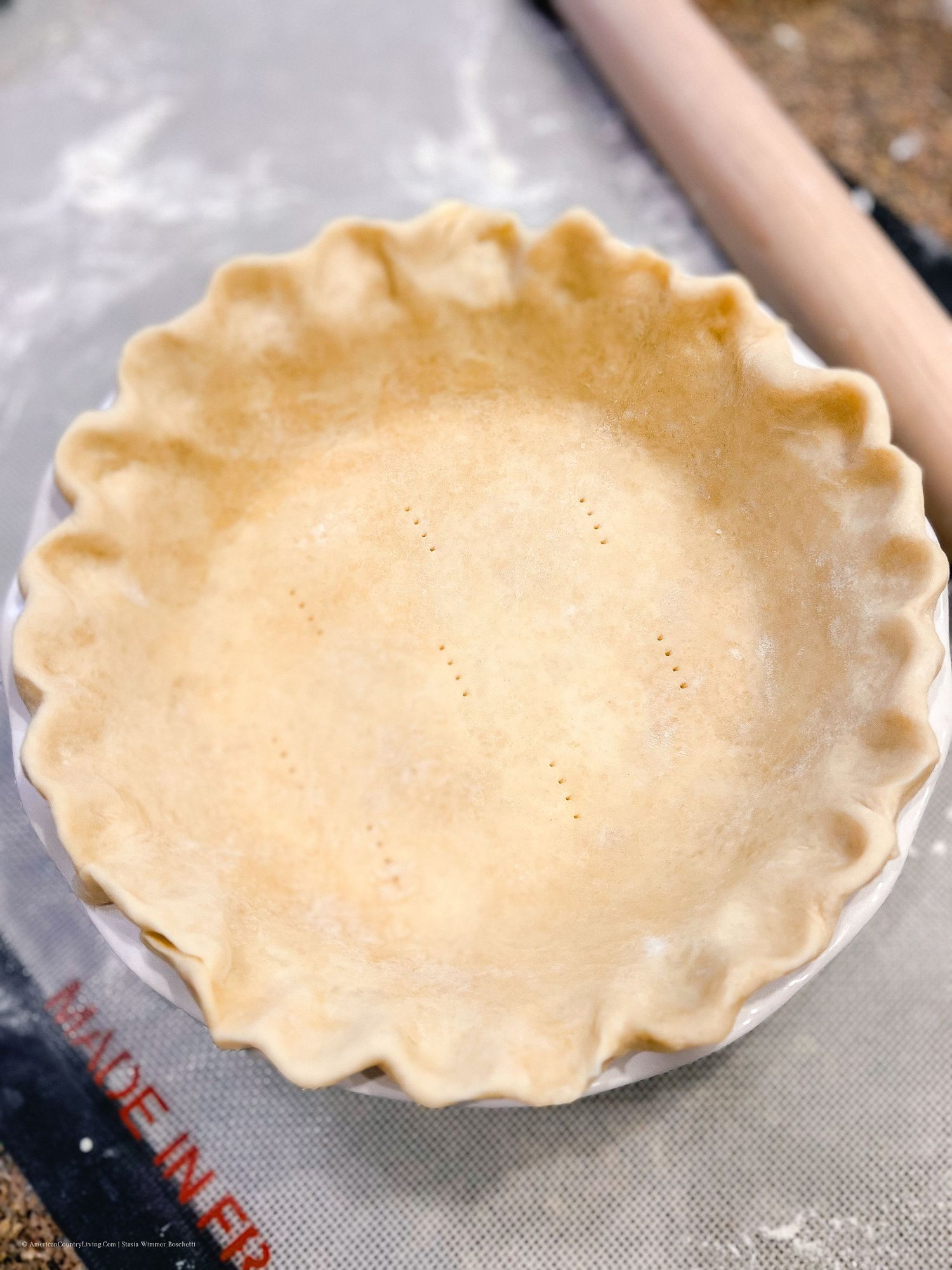
- Roll out one dough disc on a lightly floured surface to fit a 9-inch pie plate. Transfer to the plate, trim edges leaving a 1/2-inch overhang (for crimping later), and refrigerate while preparing filling.
- Optional but recommended for extra protection against sogginess: Brush the unbaked bottom crust lightly with some of the egg wash (this creates a sealed barrier).
Prepare the filling:
- In a small bowl, mash about 1/2 cup of the blueberries with a fork to create a natural thickening base.
- In a large bowl, gently toss the mixed berries with the sugar, lemon juice, vanilla, salt, and grated apple. Let sit for 15 to 20 minutes, stirring occasionally, until juices are released.
- If there's a lot of excess liquid pooled (especially with very ripe or frozen berries), drain off 2 to 4 tablespoons of juice (discard or reduce on stove and stir back in for concentrated flavor).
- Sprinkle the cornstarch (or tapioca/ClearJel) evenly over the fruit mixture and fold gently to coat thoroughly. The filling should look glossy and slightly thickened. If it still seems very loose, add 1 extra tablespoon thickener and mix well.
Assemble the pie:
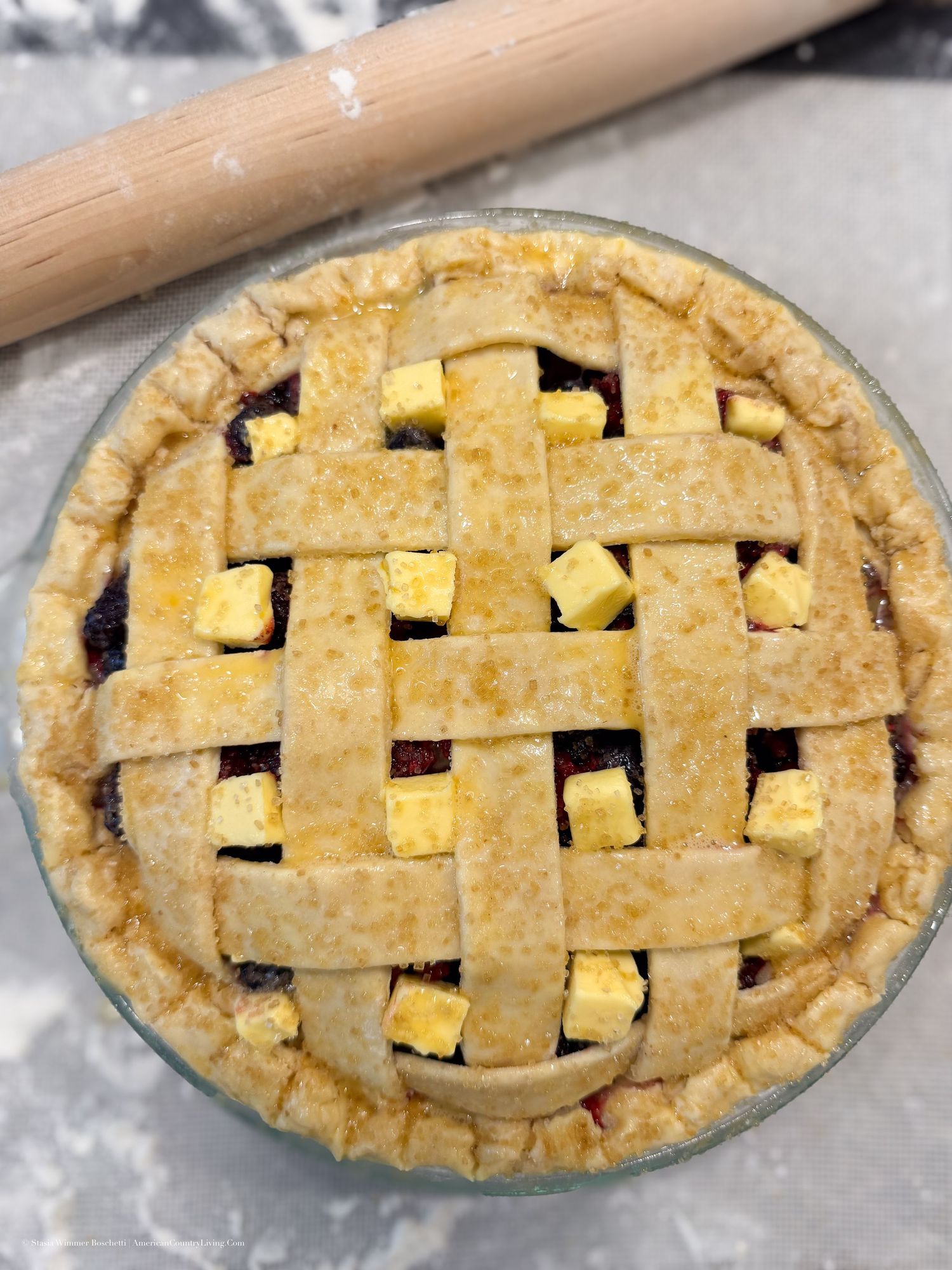
- Pour filling into the prepared crust, spreading evenly. Dot with the butter pieces.
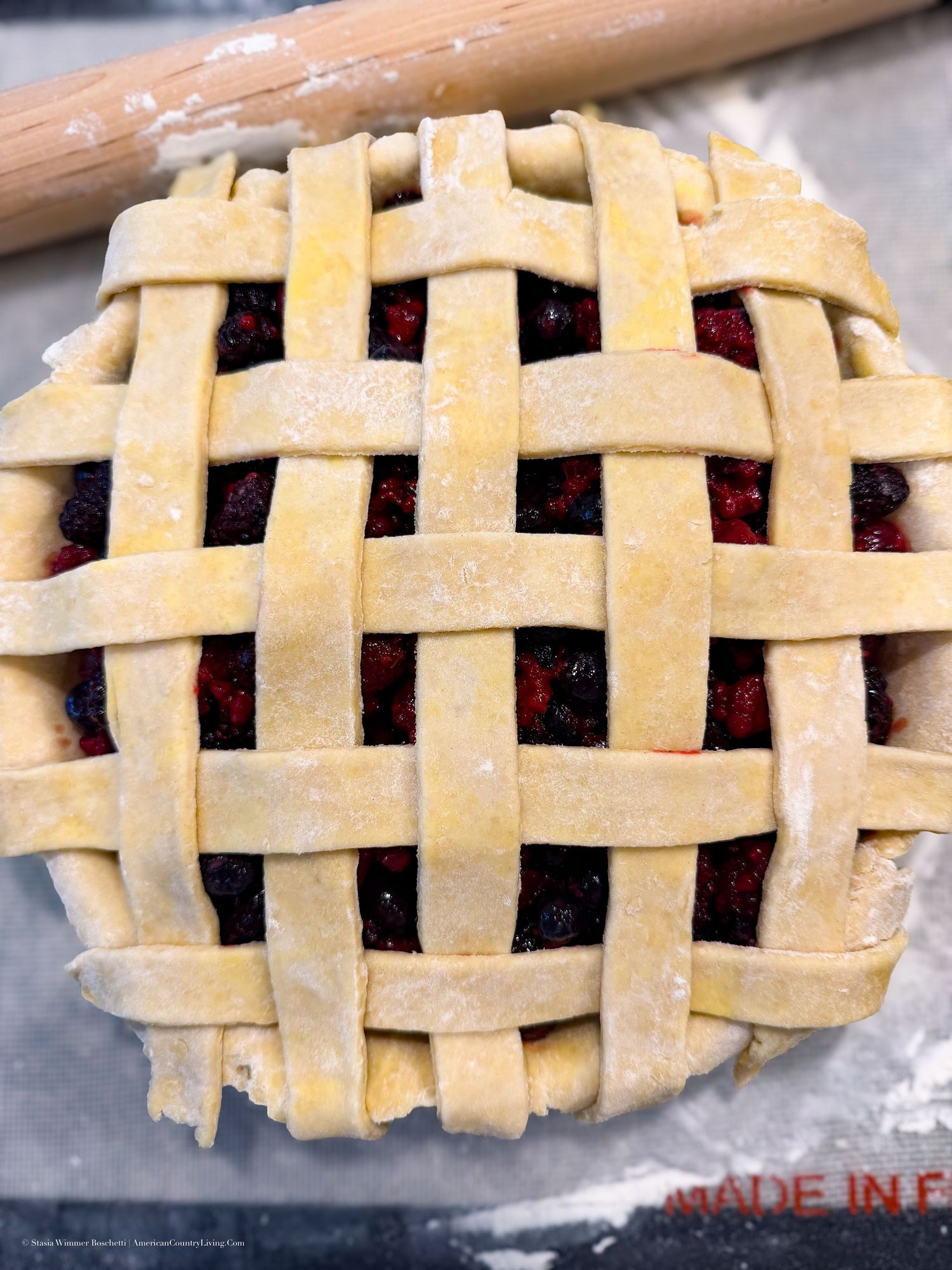
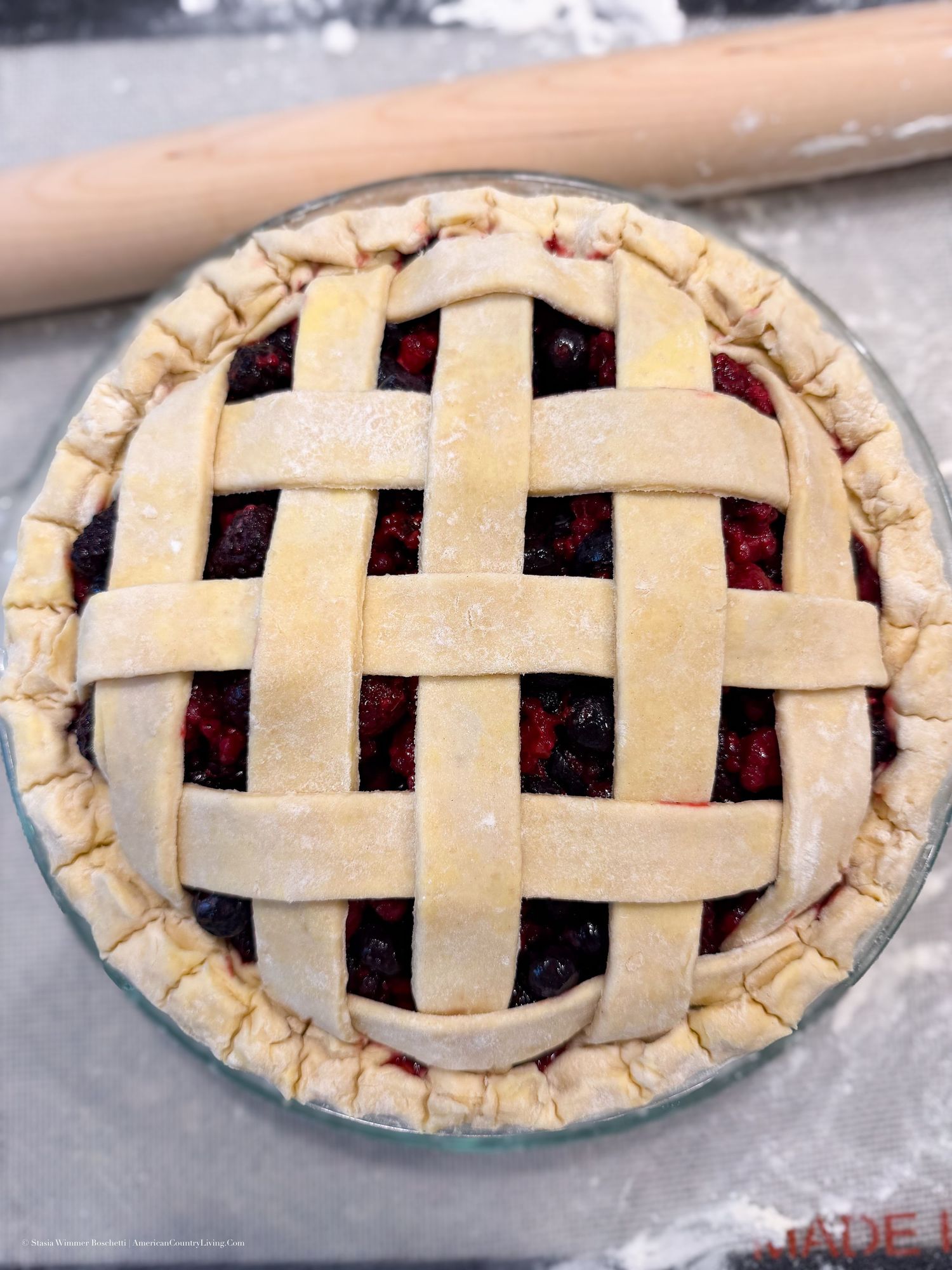
- Roll out the second disc. For best steam venting (helps prevent runniness), cut into strips and weave a lattice top, or place whole and cut 4 to 6 vents. Press edges to seal, trim excess, and crimp decoratively.
- Brush the top with egg wash and sprinkle generously with coarse sugar.
- For best shape and flakiness, refrigerate the assembled pie for 20 to 30 minutes (or up to 1 hour if your schedule allows).
Preheat and bake:
- While the pie chills (or toward the end of the chilling time), preheat the oven to 400°F. Position a rack in the lower third of the oven and place a baking sheet on it to catch drips.
- Once the oven is preheated and the pie is well chilled, place the pie on the baking sheet. Bake at 400°F for 15 minutes, then reduce to 375°F and bake 40 to 50 minutes more, until the crust is deep golden and the filling bubbles actively in the center (not just the edges; this ensures full thickening). If the edges brown too quickly, cover loosely with foil.
Cool completely:
- Transfer to a rack and cool for at least 3 to 4 hours (ideally overnight in the fridge) before slicing. This is crucial. The filling sets fully as it cools for clean, sliceable pieces.
Thickener Notes
- Cornstarch works great for a glossy set; use the higher end if berries are extra juicy.
- Quick-cooking tapioca or Instant ClearJel often gives clearer, less cloudy results and handles berry acidity/juice better. Substitute 1:1 for cornstarch. Tapioca needs 15+ minutes of sitting time to hydrate fully.
Serving
- Serve at room temperature, perhaps with vanilla ice cream or fresh cream. Present whole on a beautiful plate, slice at the table, and enjoy the clean cut that showcases those vibrant berries.

about the AUTHOr
Stasia Boschetti is an American culinary writer and the founder of American Country Living. With more than thirty years of experience in the kitchen, a background in catering, extensive travel, and a strong knowledge of regional food traditions, she writes about the recipes, histories, and customs that have shaped the way America cooks. She lives in the United States with her husband, family, and rescue animals.