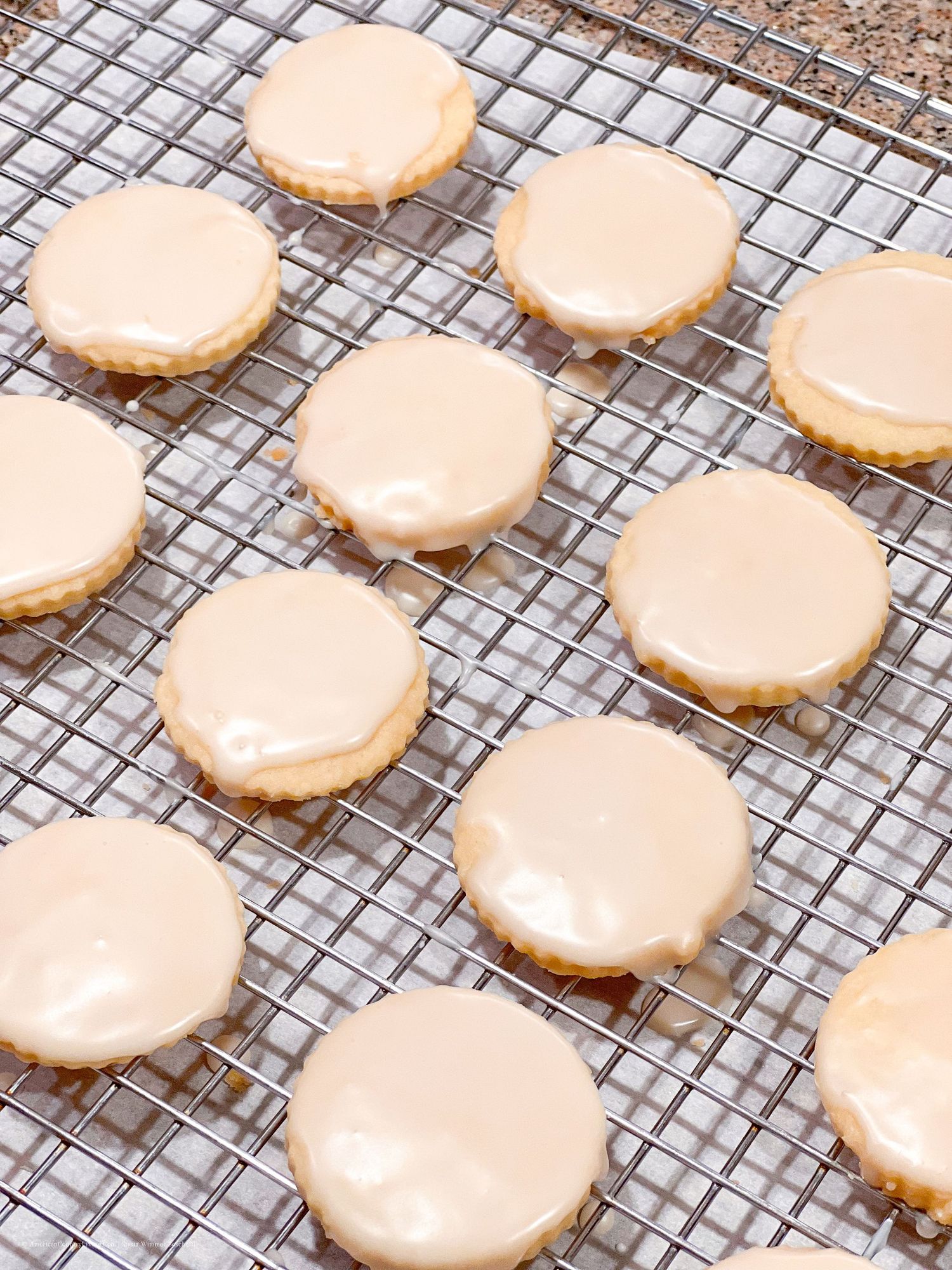
Vanilla-Glazed Shortbread Cookies
Shortbread proves how much can happen when butter, sugar, and flour are handled properly.
Few cookies are built from such a short ingredient list, which leaves very little room for mediocre butter or careless baking. A good shortbread should be rich without feeling greasy, tender enough to break cleanly beneath your teeth, and only sweet enough to make you reach for another.
Its roots belong firmly to Scotland, where shortbread developed from earlier forms of baked bread and biscuit. By the sixteenth century it had become associated with festive occasions and prosperous households, when butter and refined sugar were considerably more costly than they are in a modern American pantry. Mary, Queen of Scots is often linked to shortbread in popular histories, particularly the triangular style known as petticoat tails, although many of the precise origin stories repeated about her are difficult to document. What is certain is that shortbread became one of Scotland’s most recognizable baked goods and eventually traveled far beyond it.
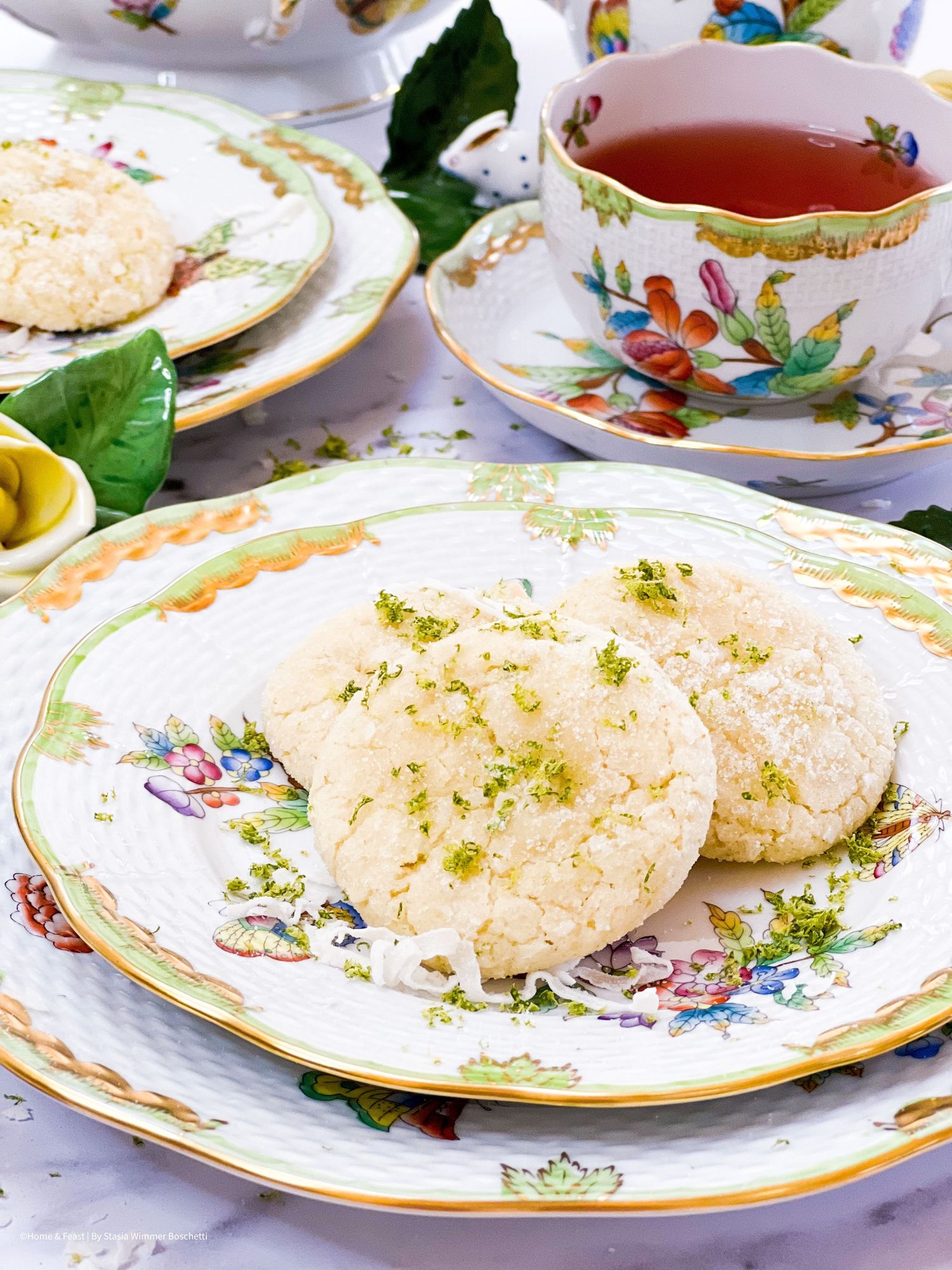
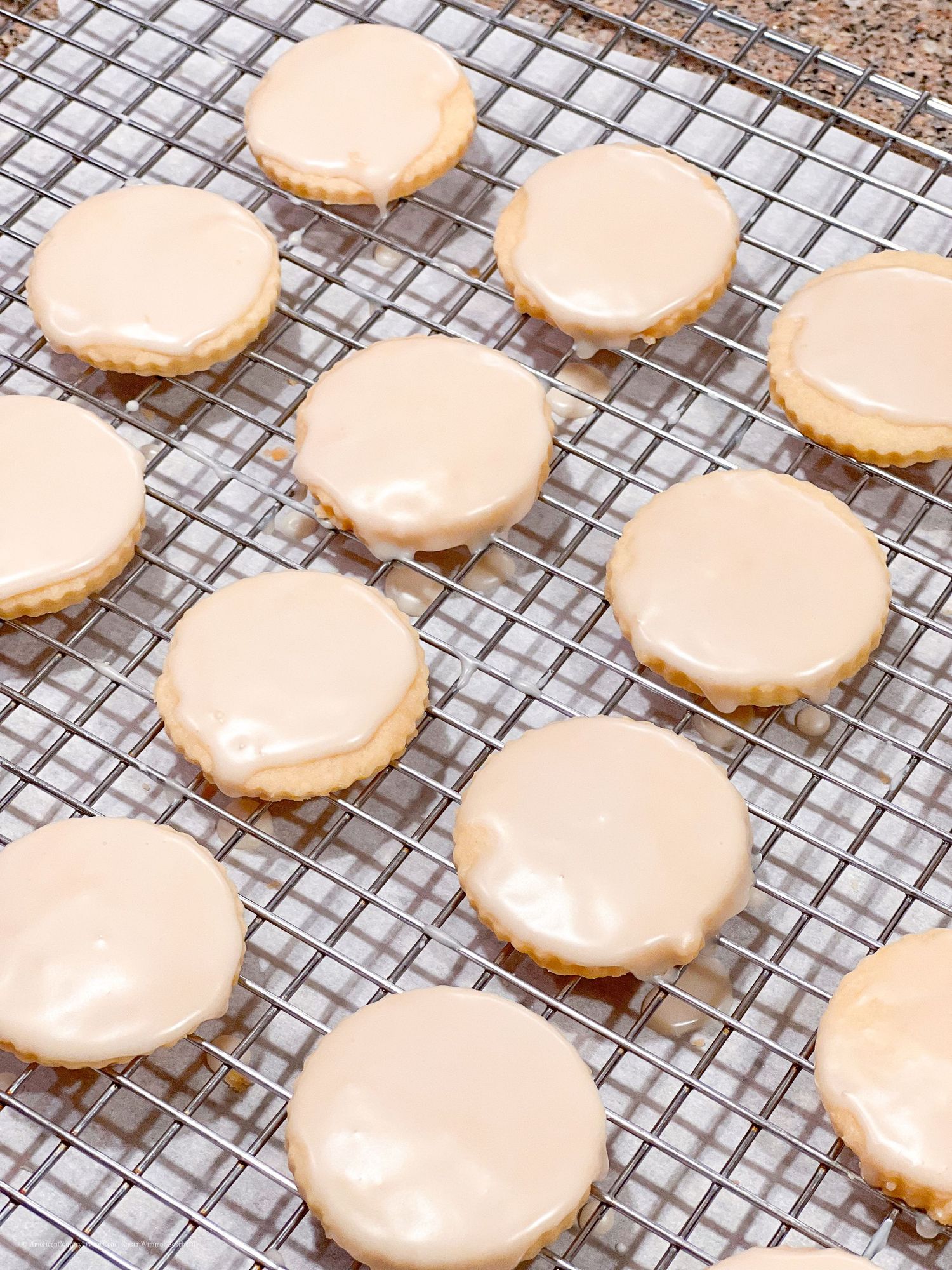
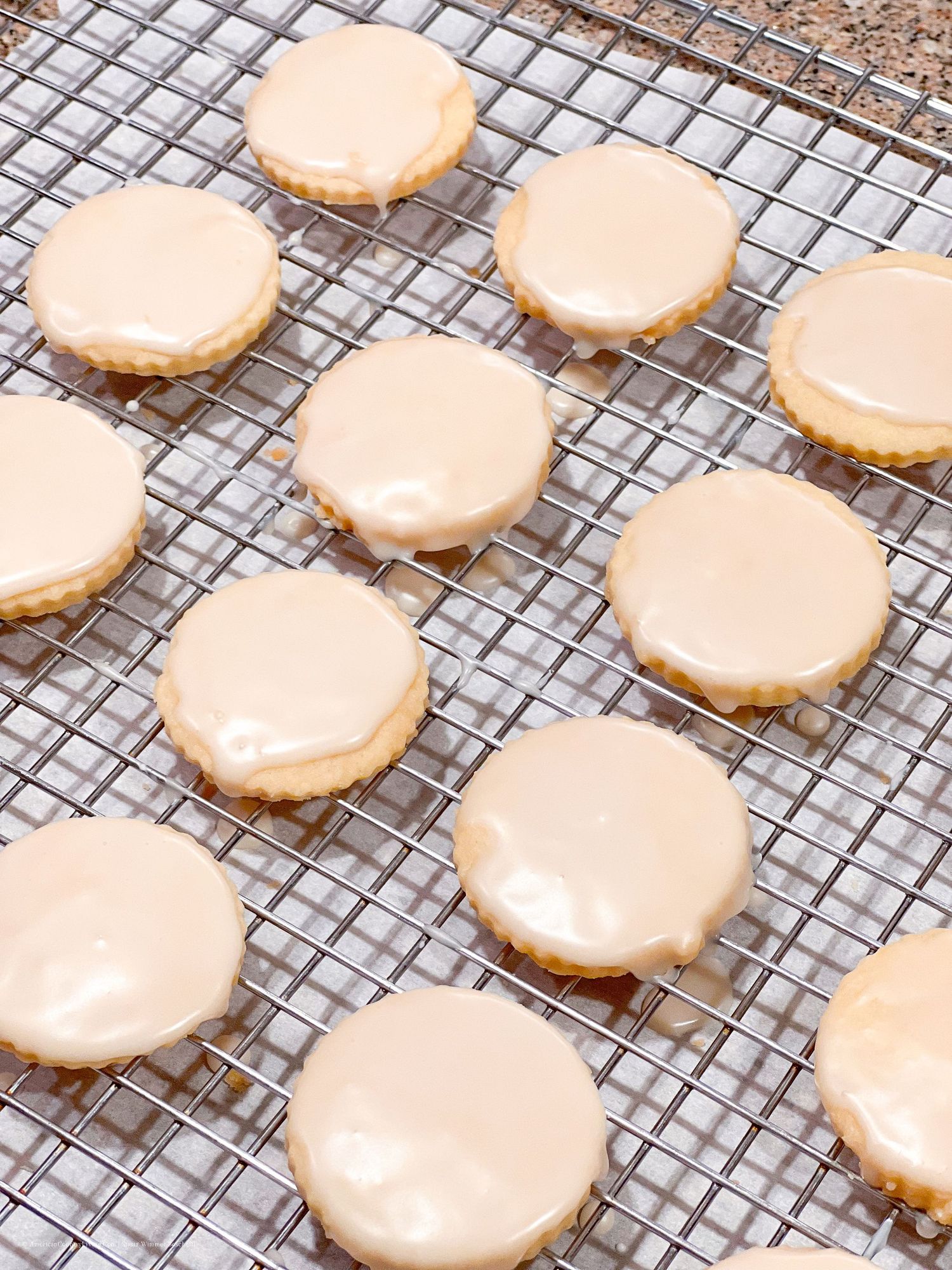
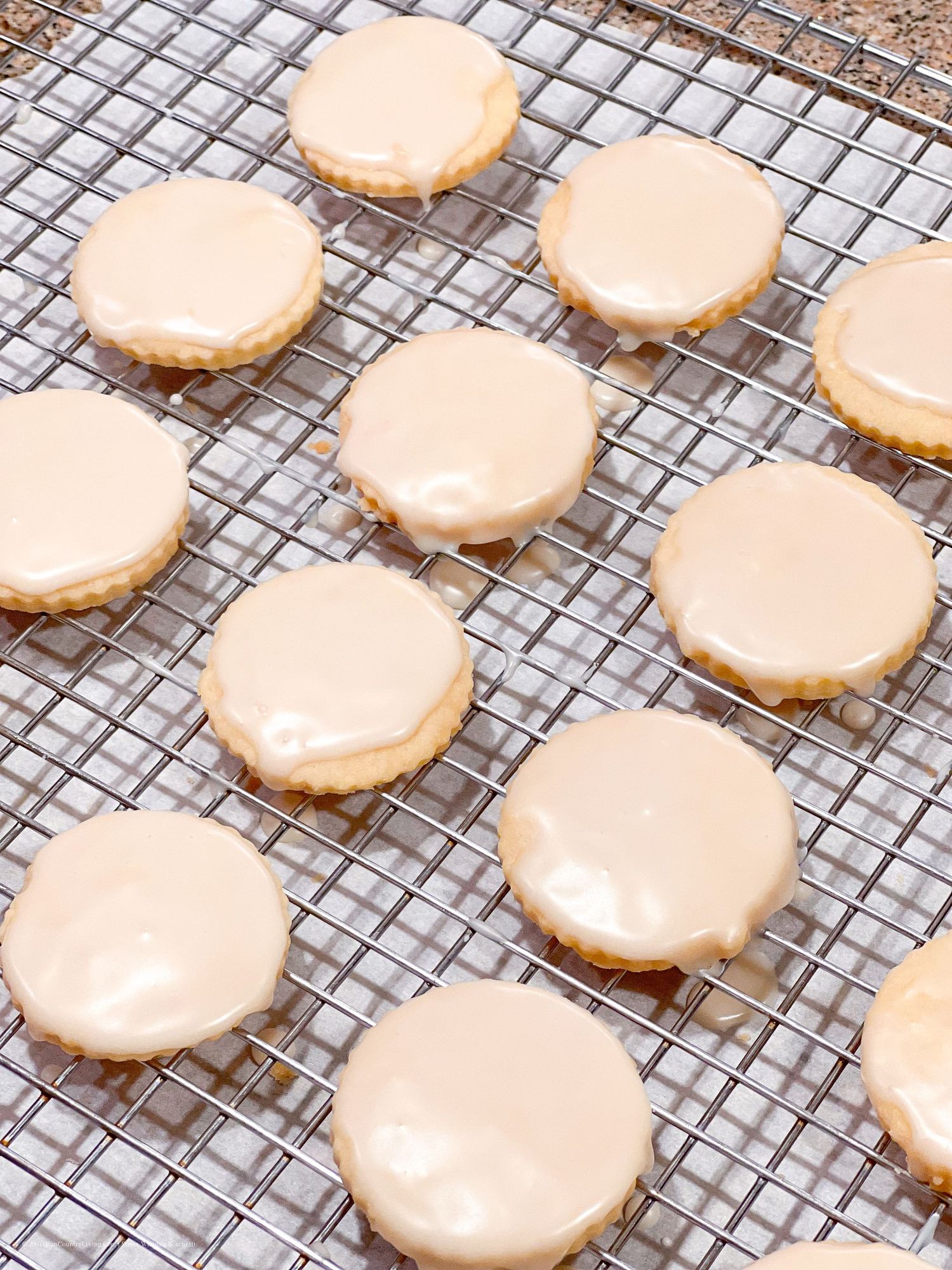
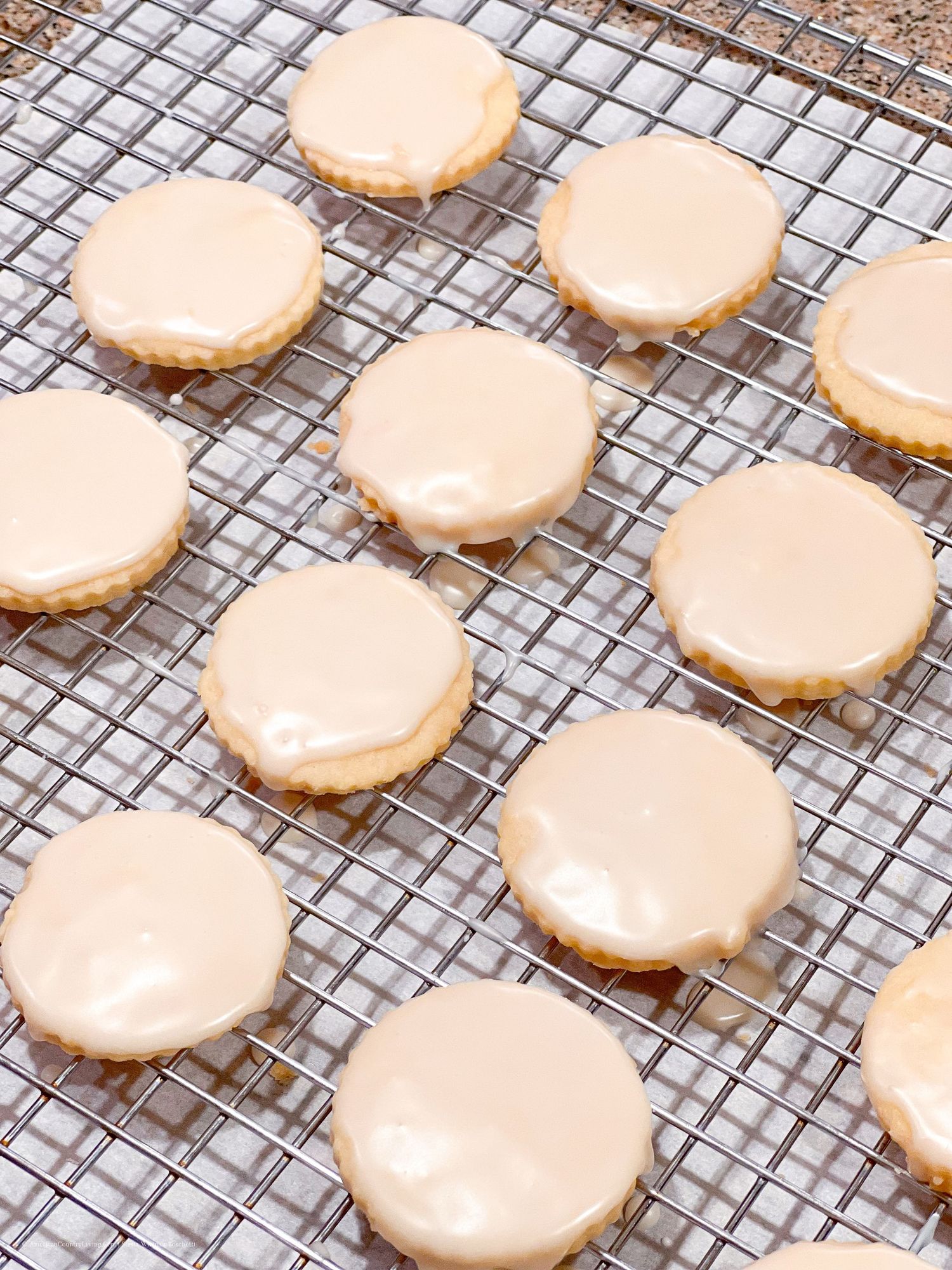
My version keeps the character of traditional shortbread while giving it a slightly more polished finish. I cut the dough into small fluted rounds, which gives each cookie a scalloped edge, then finish the cooled cookies with a simple vanilla glaze.
The shape suits this dough particularly well. Shortbread does not need elaborate decoration to look finished. A clean fluted edge and a pale glaze are enough, especially when the cookies are arranged on a platter, packed into a tin at Christmas, or served with coffee after lunch.
The butter matters more here than it does in many cookies because there are so few competing flavors. I use unsalted butter so I can control the seasoning, and I allow its flavor to remain front and center.
Chilling the dough before baking also earns its place. Cold dough holds the fluted shape more reliably in the oven and gives the butter time to firm again after rolling and cutting. I bake the cookies only until the edges begin to take on the faintest golden color. Deep browning changes both the flavor and the delicate texture that makes shortbread so appealing.
Then I let them cool completely before glazing.
The vanilla glaze is deliberately simple, made with confectioners’ sugar, vanilla, and just enough milk or cream to make it smooth enough for dipping or spooning over the tops. Once it sets, the glaze gives the cookies a thin sweet finish while leaving the buttery shortbread beneath it recognizable.
These are especially good cookies for making ahead. Shortbread keeps well when stored properly, which explains part of its long association with holidays, gifts, and biscuit tins. I like having a batch tucked away when people are coming for coffee because they require no last-minute finishing once the glaze has set.
They also make a handsome gift without requiring much embellishment. Stack a few in a small box or tin with parchment between the layers and the fluted edges do most of the decorating for you.
For all its history, shortbread remains an exercise in restraint. Good butter, careful handling, a moderate oven, and enough patience to let the cookies cool before glazing will carry the recipe farther than any complicated technique.
And when that first cookie breaks with a tender snap beneath a thin layer of vanilla glaze, you understand why such a simple combination has lasted for centuries.
Until next time, thank you for spending a little time with me. I hope you find a recipe to make, a story to enjoy, and something new to take into the kitchen.♥️
Vanilla-Glazed Shortbread Cookies
prep time: 20 minutes
CHILL TIME: 30 minutes
cook time: 8-12 minutes
servings: About 2 Dozen Small Cookies
Ingredients:
FOR THE SHORTBREAD COOKIES
1 cup (2 sticks) unsalted butter, at room temperature
2/3 cup powdered sugar
1 teaspoon pure vanilla extract
2 cups all-purpose flour
1/4 teaspoon salt
FOR THE VANILLA ICING
1 cup powdered sugar
2–3 tablespoons milk (or cream for extra richness)
1/2 teaspoon pure vanilla extract
Instructions:
FOR THE SHORTBREAD COOKIE
Cream the butter and sugar
- In a large mixing bowl, cream together the softened butter and powdered sugar until light and fluffy (about 2-3 minutes).
Add vanilla
- Stir in the vanilla extract and mix until incorporated.
Add dry ingredients
- In a separate bowl, whisk together the flour and salt. Gradually add to the butter mixture, mixing just until combined. The dough should be soft but not sticky.
Chill the dough
- Shape dough into a disk, wrap in parchment or plastic wrap, and refrigerate for at least 30 minutes. Chilled dough will hold its shape better when baked.
Preheat oven
- Preheat your oven to 350°F (175°C) and line a baking sheet with parchment paper.
Roll and cut
- On a lightly floured surface, roll dough to about 1/4-inch thickness. Use a fluted round cookie cutter to shape your cookies and place them 1 inch apart on the prepared baking sheet.
Bake
- Bake for 8–12 minutes, or until the edges are just beginning to turn golden. Let cookies cool on the baking sheet for 5 minutes before transferring to a wire rack to cool completely.
For the Vanilla Icing
- In a small bowl, whisk together powdered sugar, vanilla, and 2 tablespoons of milk until smooth. Add more milk, a teaspoon at a time, until the icing reaches a thick but pourable consistency.
- Once cookies are completely cool, spoon or dip the tops in icing, allowing the excess to gently drip down the sides. Let icing set at room temperature for about 30 minutes or until firm to the touch.

about the AUTHOr
Stasia Boschetti is an American culinary writer and the founder of American Country Living. With more than thirty years of experience in the kitchen, a background in catering, extensive travel, and a strong knowledge of regional food traditions, she writes about the recipes, histories, and customs that have shaped the way America cooks. She lives in the United States with her husband, family, and rescue animals.