Herb-Roasted Honeynut Squash
Honeynut squash looks like someone took a butternut squash and shrank it to the size of a large pear, but its small stature comes with surprisingly concentrated flavor. The flesh is deep orange, dense, and naturally sweet, which makes it especially good for roasting with savory herbs rather than covering it with sugar.
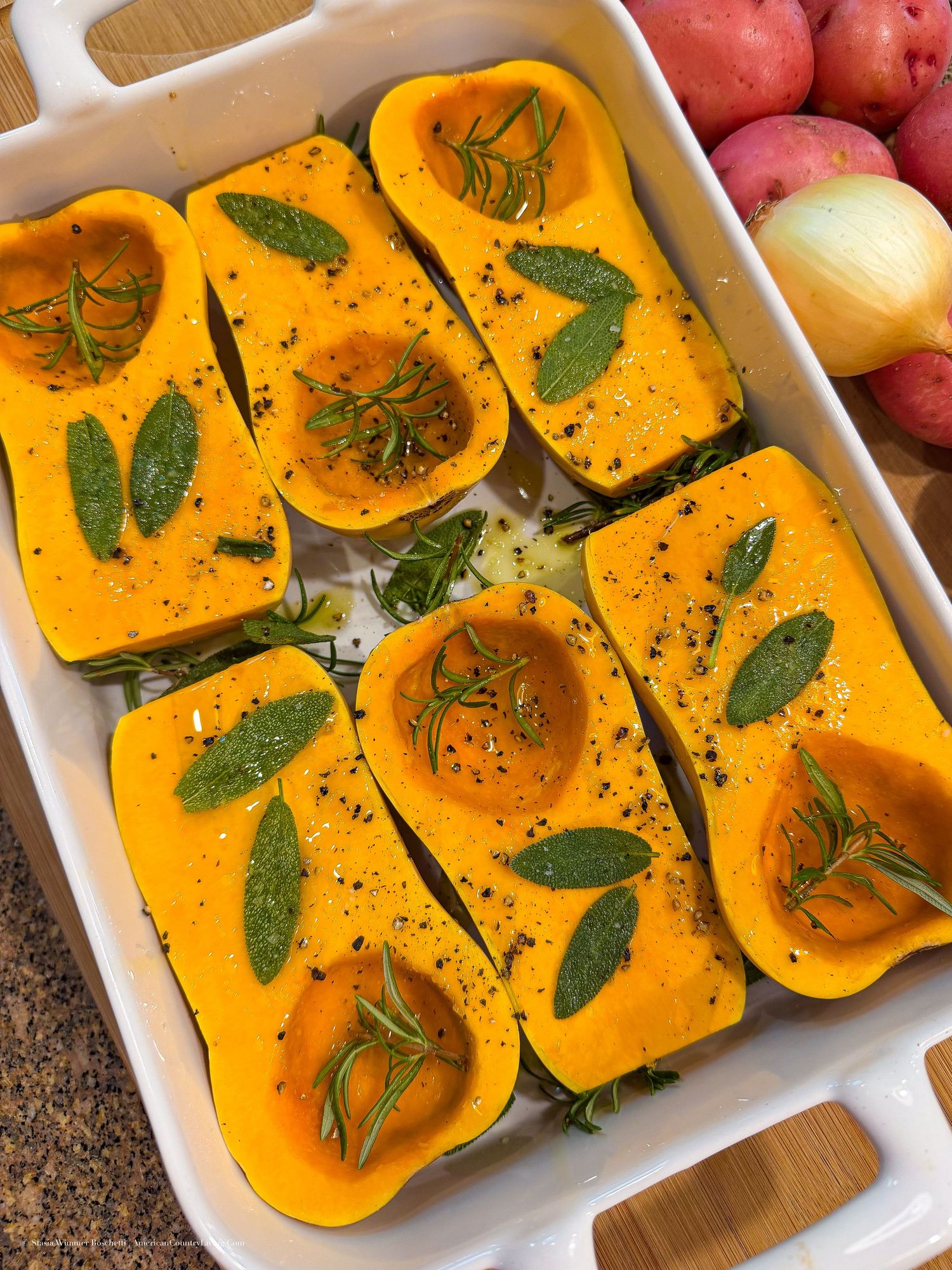
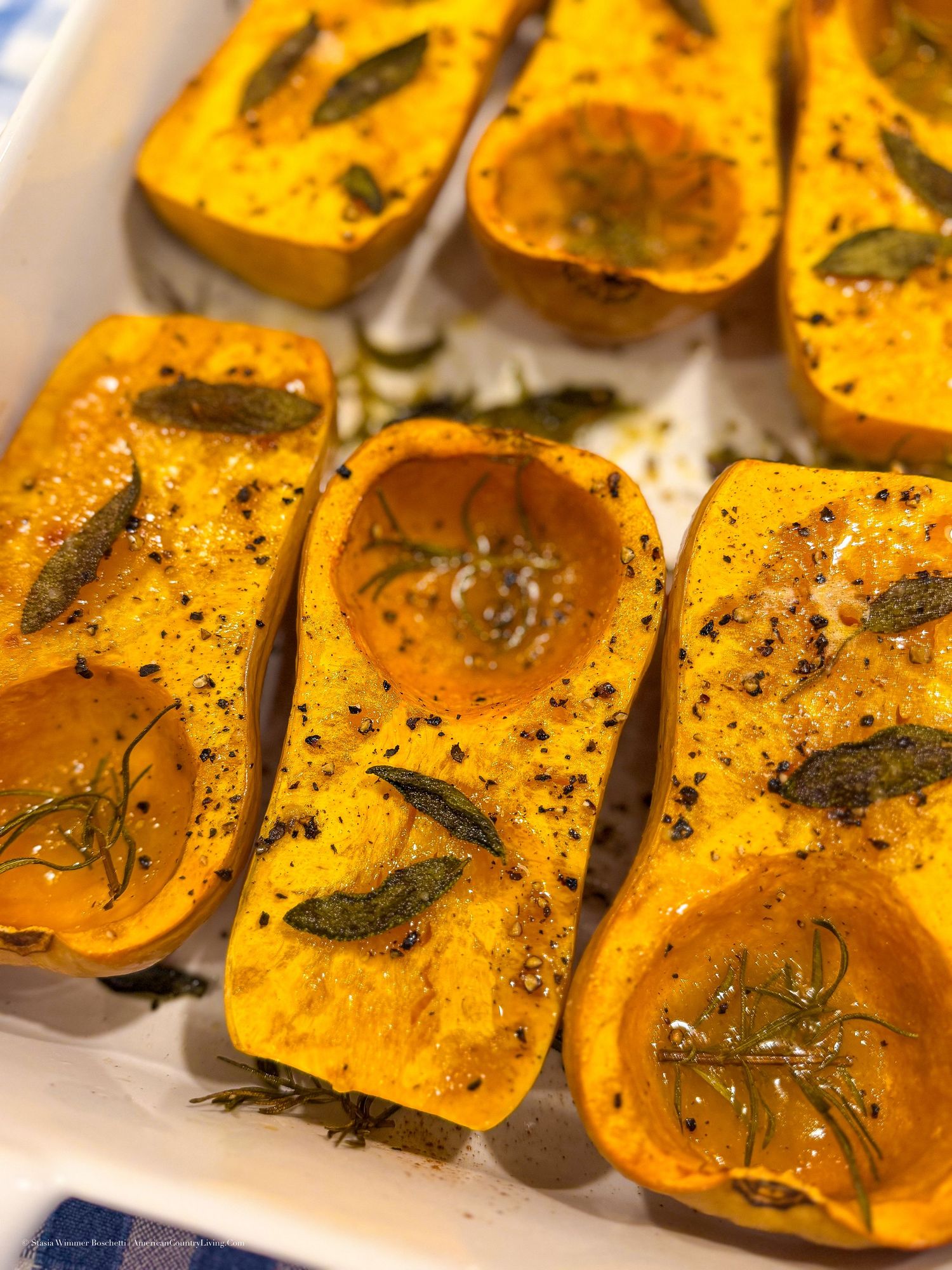
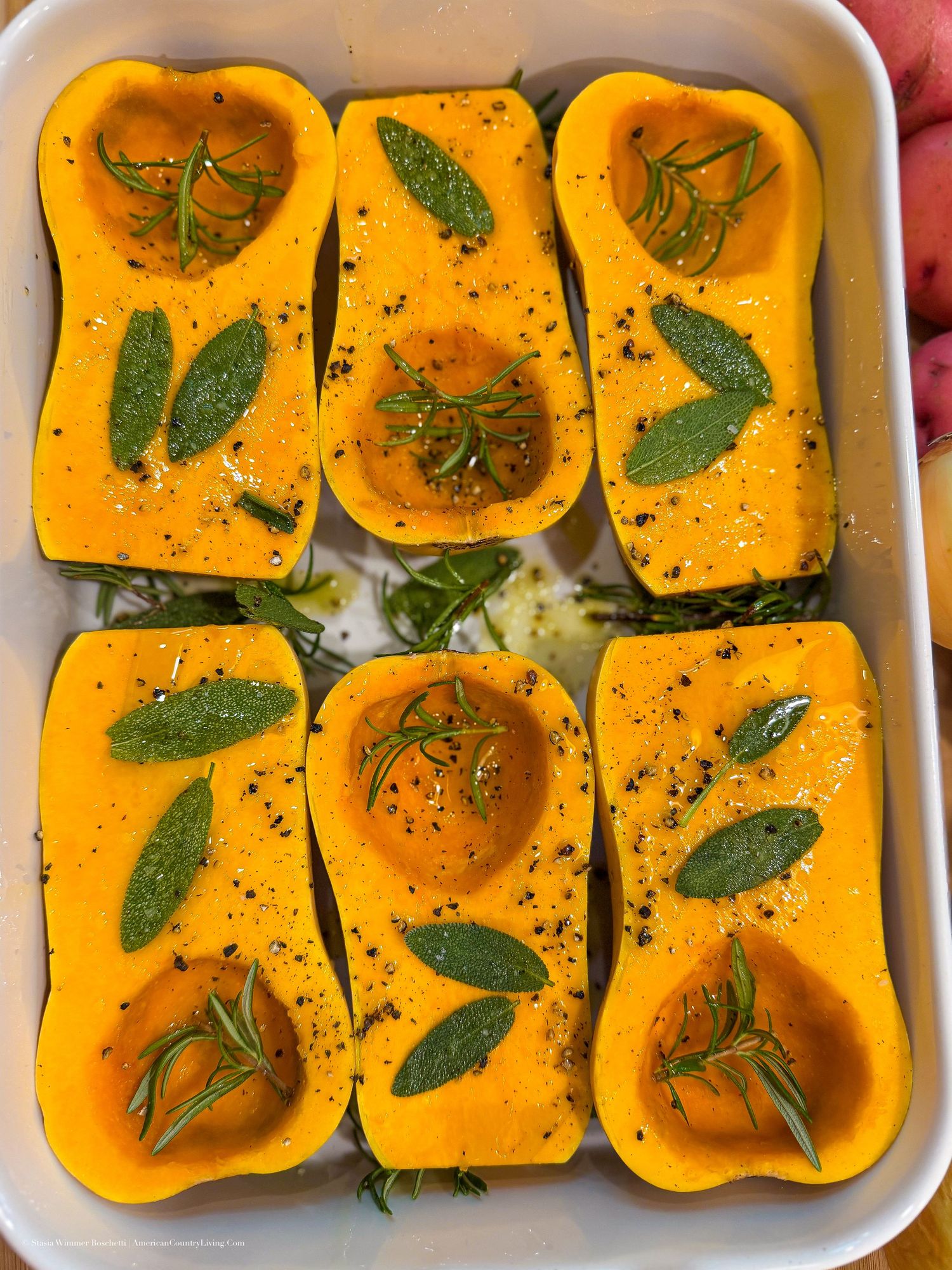
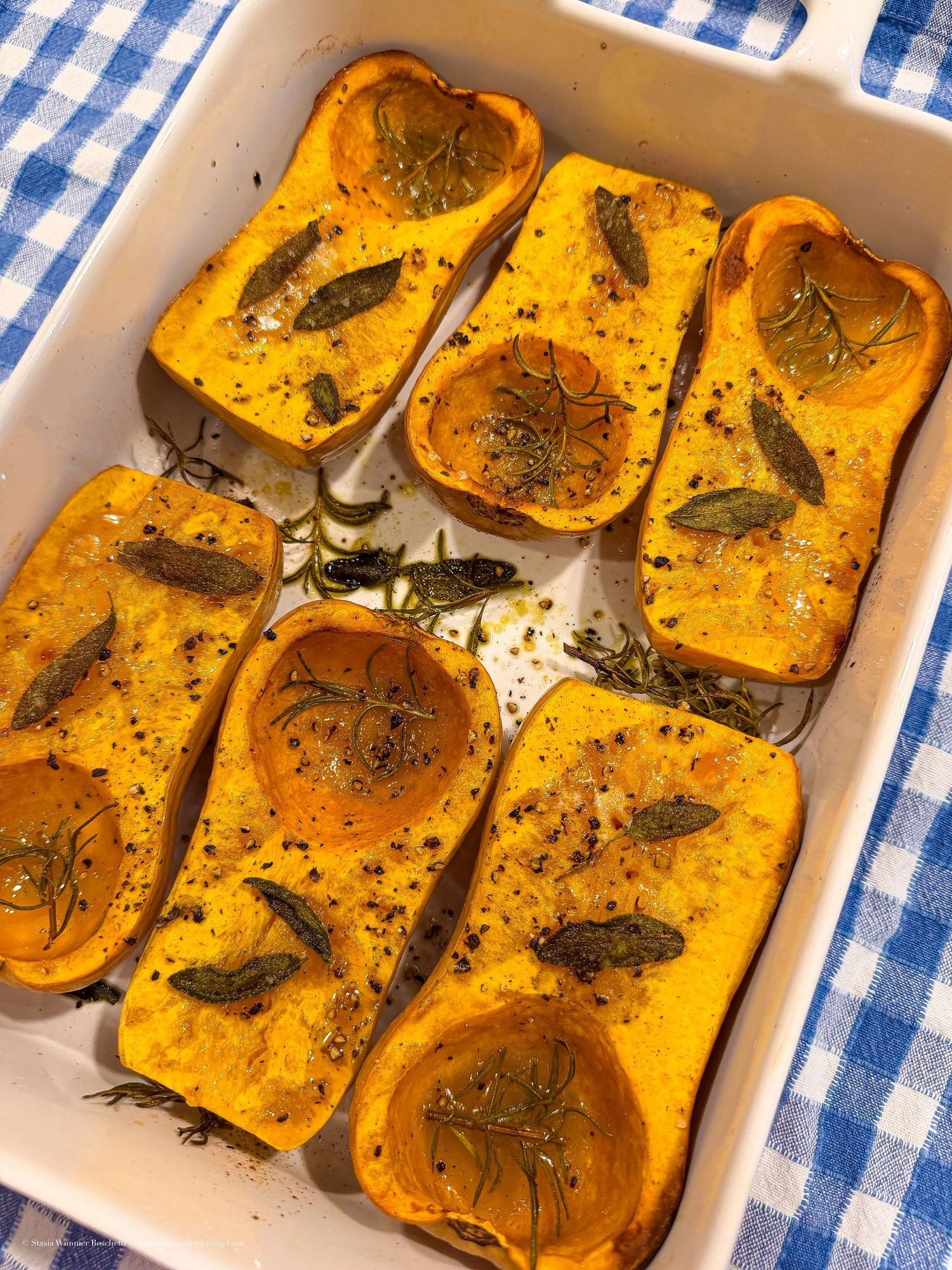
I found these at a farm store, three little squash with burnished skins and enough variation in shape to remind you they came from a field. I cut them lengthwise, scooped out the seeds, laid the six halves in a baking dish, and seasoned them simply with olive oil, rosemary, sage, salt, and black pepper. After 45 minutes at 400°F, the flesh was tender enough to scoop with a spoon, the edges had begun to brown, and the herbs had crisped against the surface.
Honeynut is a fairly modern squash with an interesting pedigree. Its breeding began at Cornell’s New York State Agricultural Experiment Station in the 1980s, when horticulturist Richard Robinson crossed buttercup and butternut squash. The work continued through Cornell’s plant-breeding program, eventually reaching plant breeder Michael Mazourek, who refined the honeynut into the variety sold today. Chef Dan Barber later became an important collaborator, encouraging breeding for stronger flavor and showing how well the squash responded to roasting and caramelization.
That history makes honeynut particularly interesting to me because it represents a very American intersection of farming, plant breeding, and cooking. Breeders were paying attention to the qualities cooks notice at the table: sweetness, texture, ripeness, and what happens when a vegetable meets the heat of the oven. Cornell describes the finished honeynut as a smaller, more flavorful relative of butternut squash, and its skin changes from green to orange as it ripens.
For this dish, rosemary and sage are enough. The rosemary gives the squash a resinous, woodsy fragrance, while the sage becomes crisp around the edges and brings the familiar flavor we associate with autumn roasting. Salt keeps the natural sweetness from becoming cloying, and black pepper gives the finished squash a little bite.
The size is useful, too. One roasted half can go directly onto a plate beside roast chicken, pork chops, or a thick slice of meatloaf. For Thanksgiving, all six halves can stay together in the baking dish and go straight to the table, their orange flesh and browned herbs making a handsome vegetable without extra garnishing or fussing.
Farm-store finds often shape the way I cook because they put an ingredient in front of me before I have decided what dinner will be. A basket of small squash, a bunch of herbs, good olive oil, and a hot oven are sometimes enough to set the whole meal in motion.
Until next time, thank you for spending a little time with me. I hope you find a recipe to make, a story to enjoy, and something new to take into the kitchen. ♥️
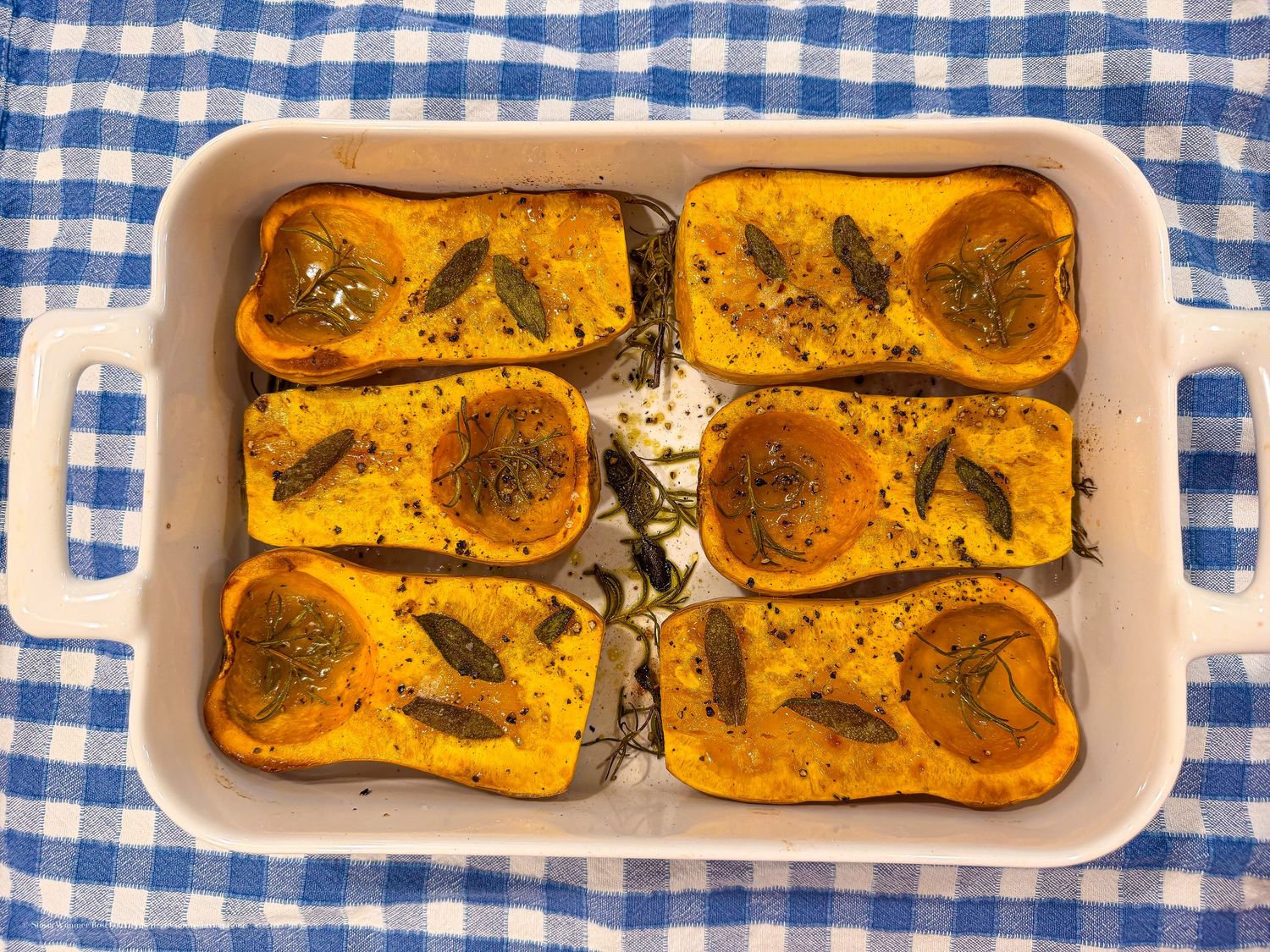
Herb-Roasted Honeynut Squash
Prep Time: 10 minutes
Cook Time: 45 minutes
Total Time: 55 minutes
Servings: 6 squash halves
Ingredients
3 honeynut squash
2 tablespoons olive oil, or enough to lightly coat
Fresh rosemary, to taste
Fresh sage leaves, to taste
Kosher salt, to taste
Freshly ground black pepper, to taste
Instructions
- Preheat the oven to 400°F.
- Wash and dry the honeynut squash. Cut each squash in half lengthwise and scoop out the seeds and stringy pulp.
- Arrange the six squash halves cut-side up in a large baking dish.
- Drizzle the squash with olive oil and rub it evenly over the exposed flesh.
- Season with salt and freshly ground black pepper. Arrange the rosemary and sage over the squash and around the baking dish.
- Roast for 45 minutes, or until the flesh is tender when pierced with a fork and lightly browned around the edges.
- Serve warm directly from the skins.
about the AUTHOr
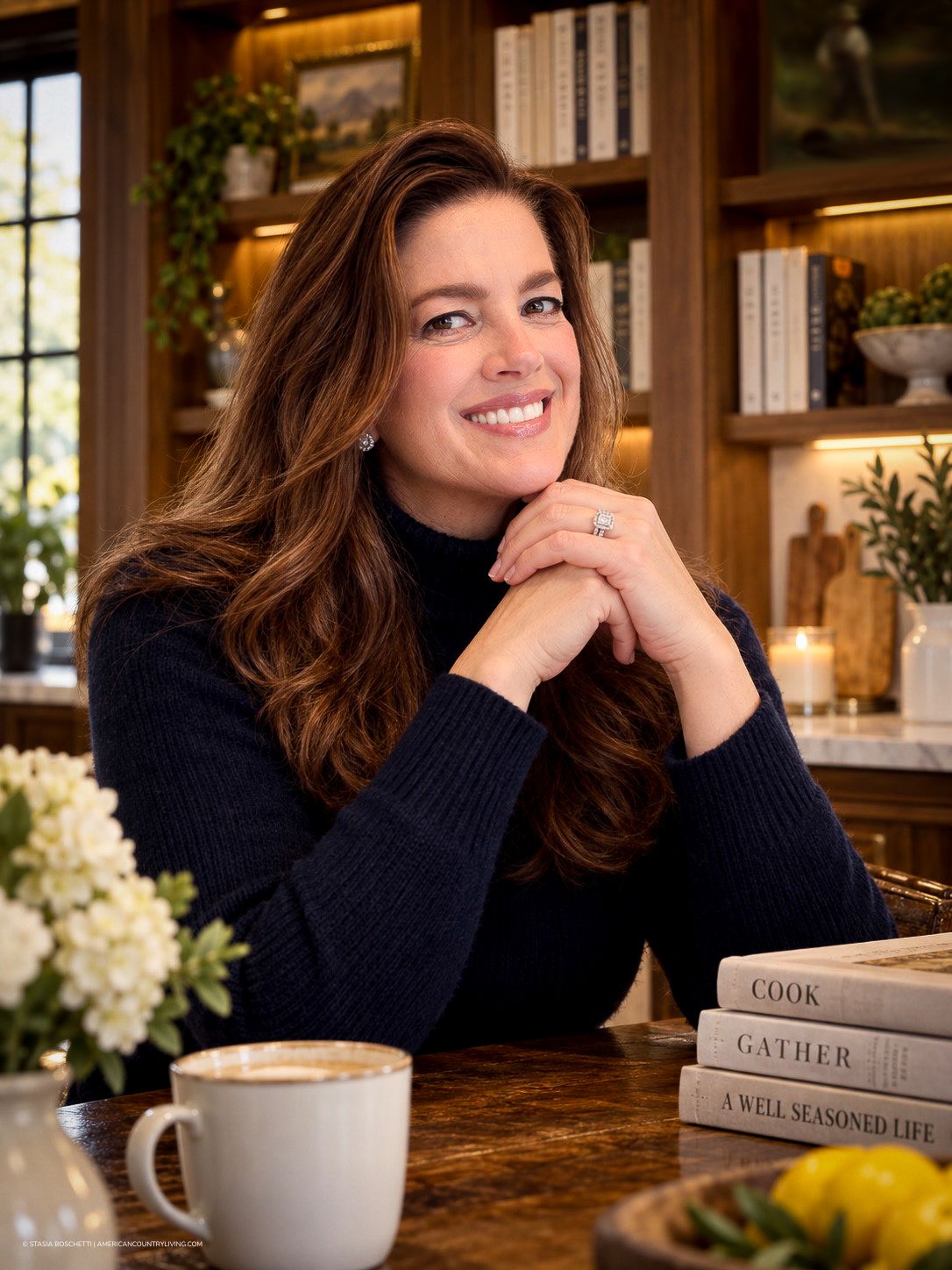
Stasia Boschetti is an American culinary writer and the founder of American Country Living. With more than thirty years of experience in the kitchen, a background in catering, extensive travel, and a strong knowledge of regional food traditions, she writes about the recipes, histories, and customs that have shaped the way America cooks. She lives in the United States with her husband, family, and rescue animals.