The American Dust Bowl
Hardship, Migration, and Enduring Resilience
The Dust Bowl stands as one of the most devastating chapters in American history. During the 1930s, a combination of prolonged drought, decades of intensive farming, and powerful winds transformed millions of acres across the Great Plains into a landscape of blowing soil and failed crops. Families lost farms, communities struggled to survive, and hundreds of thousands left their homes in search of work, forever changing the story of the American West.
Causes From Grasslands to Dust
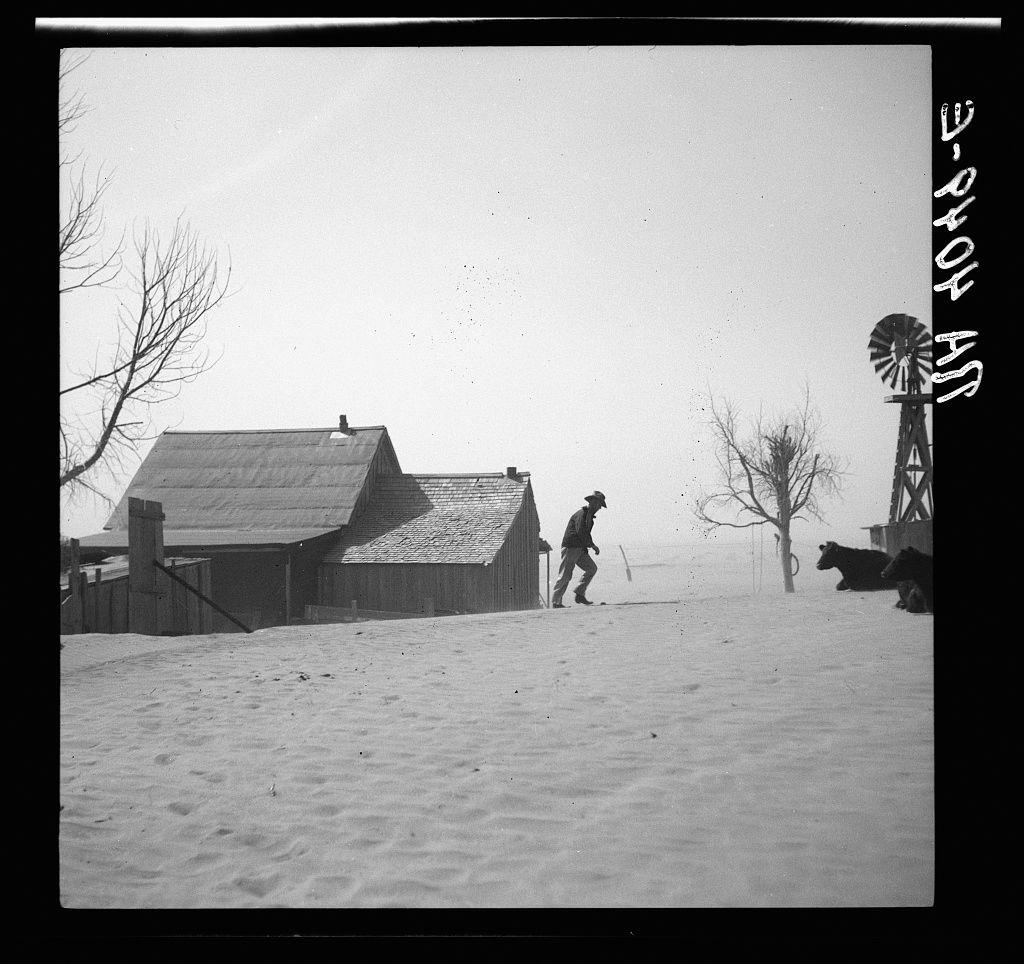
The Dust Bowl devastated the southern Great Plains during the 1930s. A severe, multi-year drought combined with widespread cultivation of native prairie turned fertile farmland into a dust-choked landscape.
For thousands of years, deep-rooted prairie grasses anchored the soil and helped retain moisture. During the late nineteenth and early twentieth centuries, millions of acres were plowed to meet growing demand for wheat, especially during World War I. Tractors and other mechanized equipment made it possible to cultivate land on an unprecedented scale, while many fields were left without practices such as crop rotation, cover crops, or shelterbelts that helped reduce erosion.
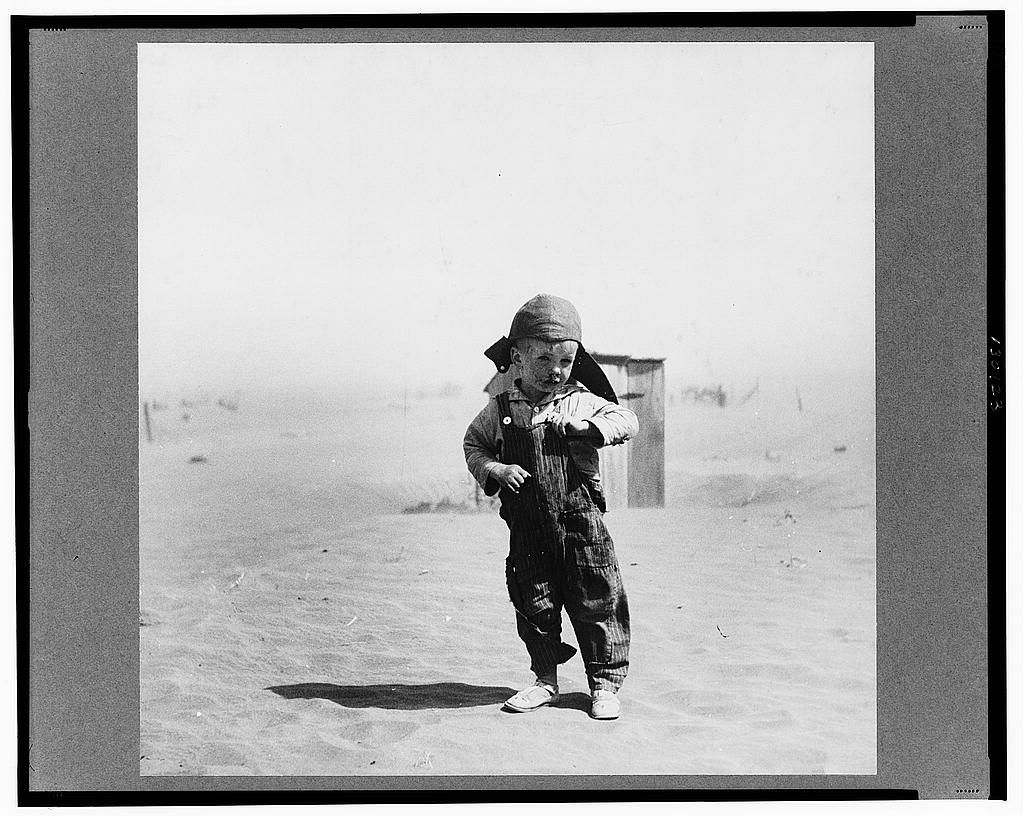
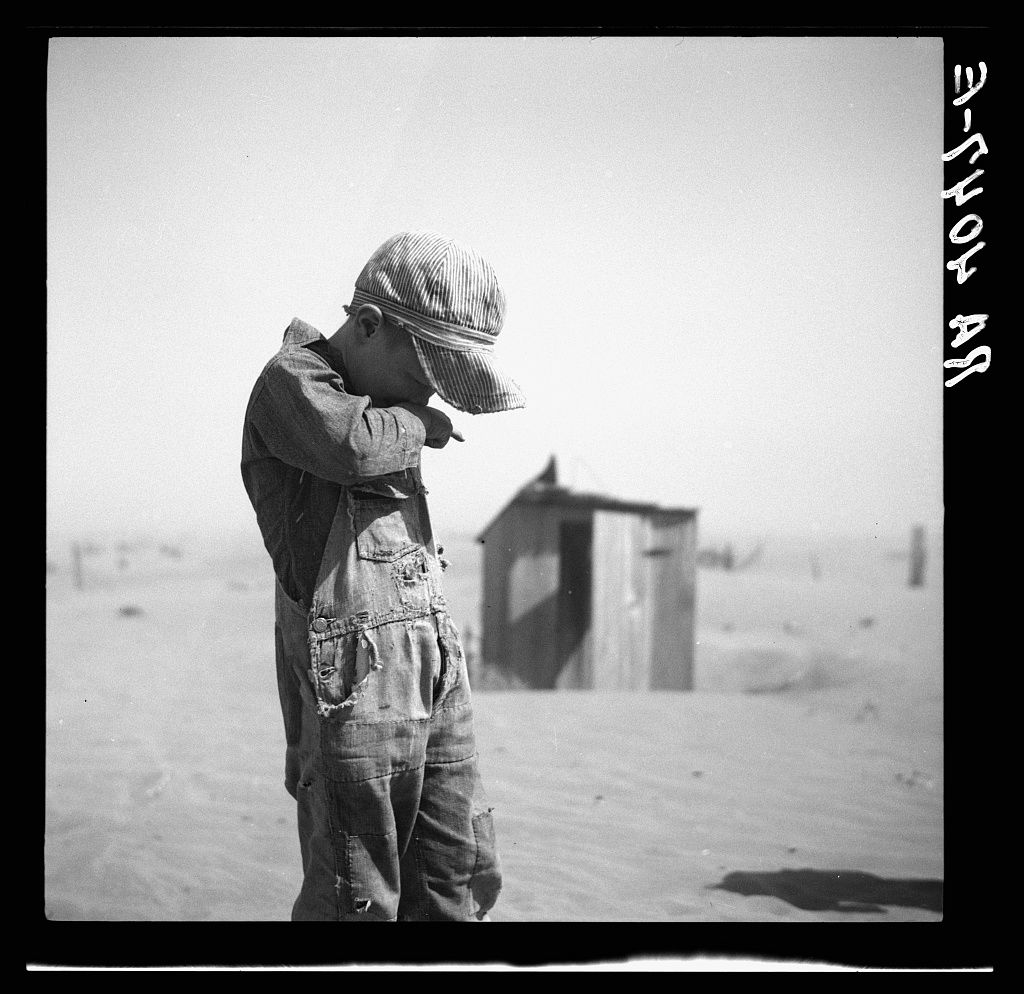
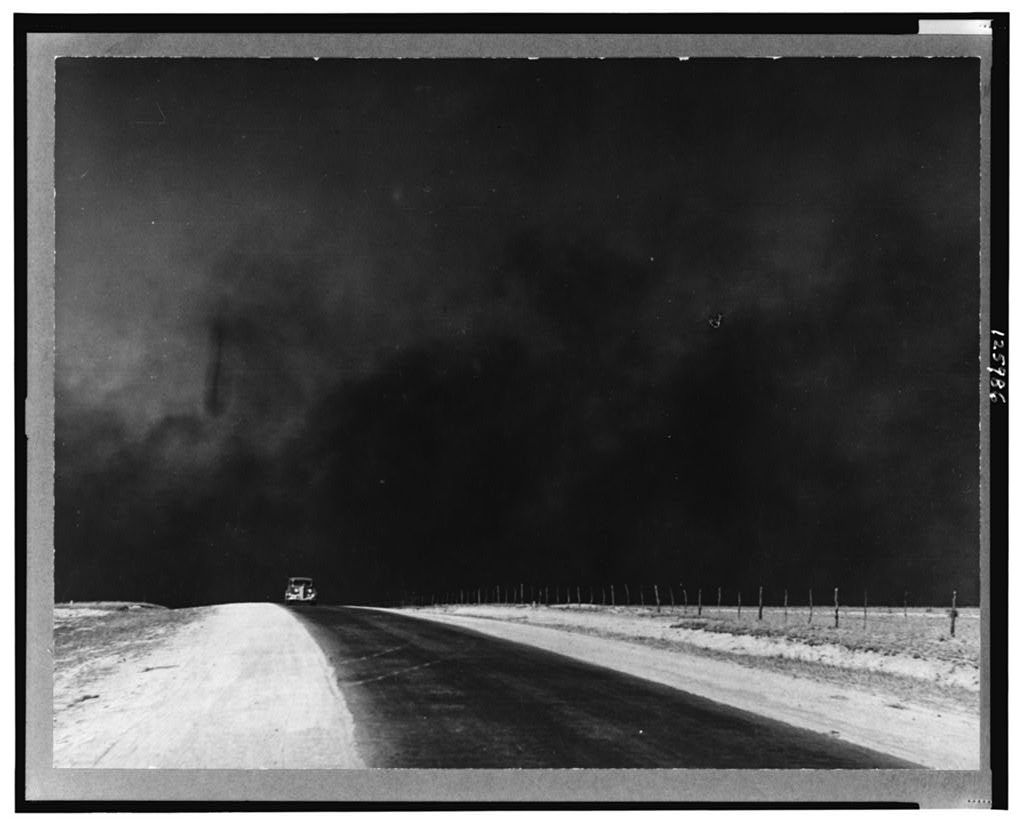
When prolonged drought struck, particularly during 1934, 1936, and again in 1939 and 1940, the exposed topsoil dried into fine powder. Powerful winds swept across the Plains, creating enormous dust storms known as black blizzards. Some storms carried soil hundreds of miles, reaching cities along the East Coast and even ships in the Atlantic Ocean.
The hardest-hit region included the Oklahoma Panhandle, the Texas Panhandle, southwestern Kansas, southeastern Colorado, and northeastern New Mexico. Although the effects extended beyond these areas, this region experienced the most severe and repeated erosion.
The Human Cost Migration and the "Okies"
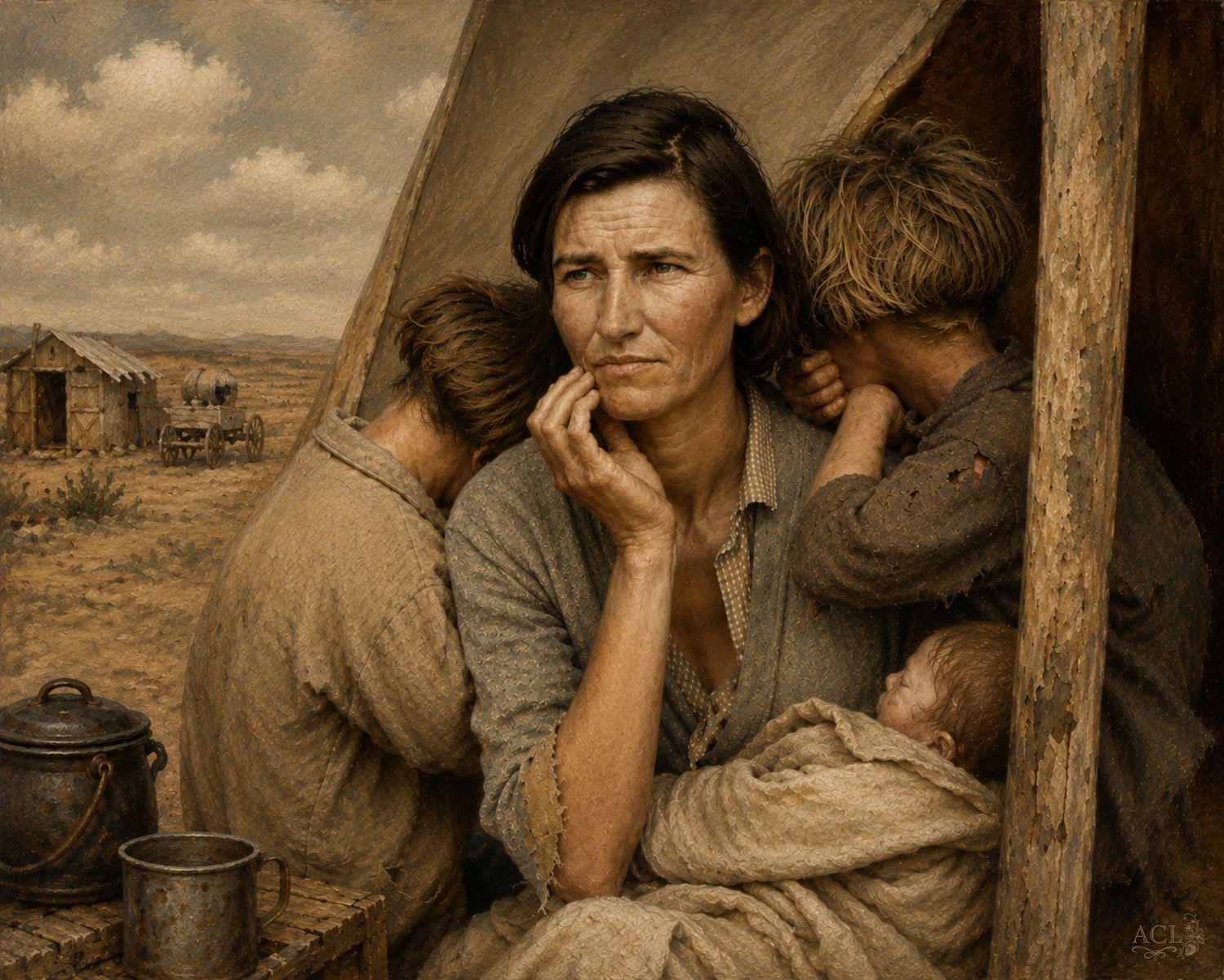
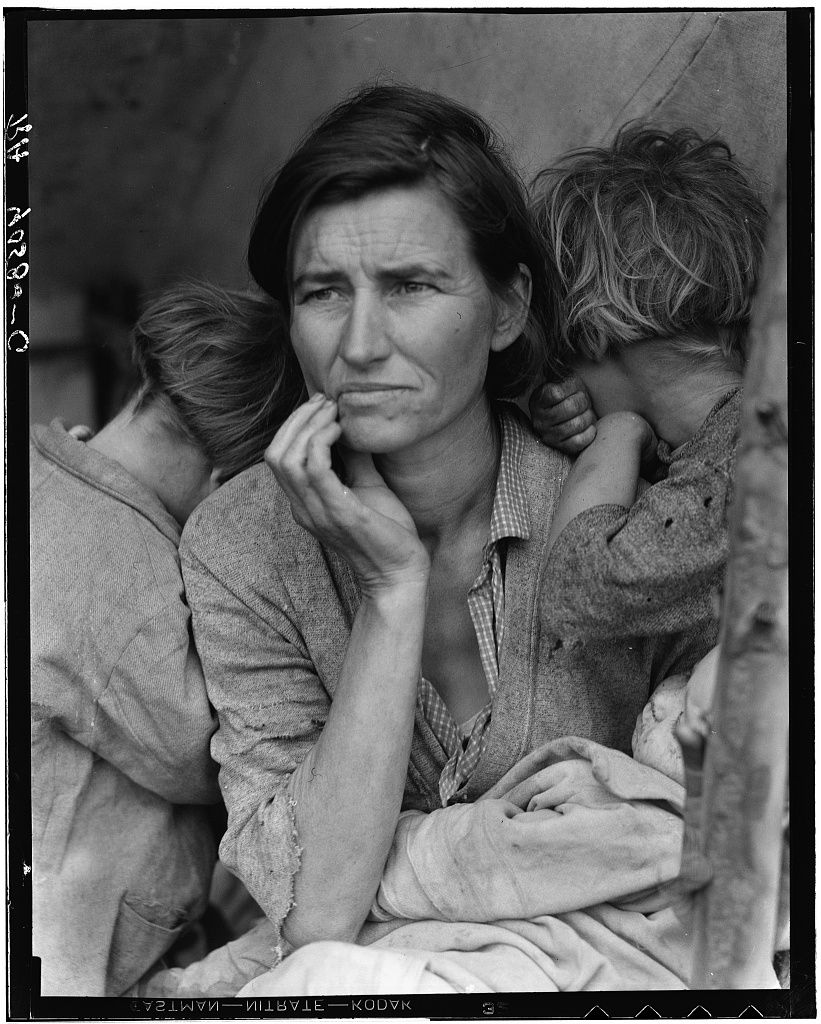
As crops failed, farms were lost, and the Great Depression deepened, many families faced foreclosure, hunger, and dust pneumonia, a serious lung condition caused by breathing fine dust particles. For many, leaving became the only practical option.
The Dust Bowl contributed to one of the largest internal migrations in American history. Approximately 2.5 million people left the Plains states during the 1930s, although not all were Dust Bowl refugees alone. The nickname "Okies" originally referred to migrants from Oklahoma but eventually came to describe many displaced families arriving from neighboring states as well.
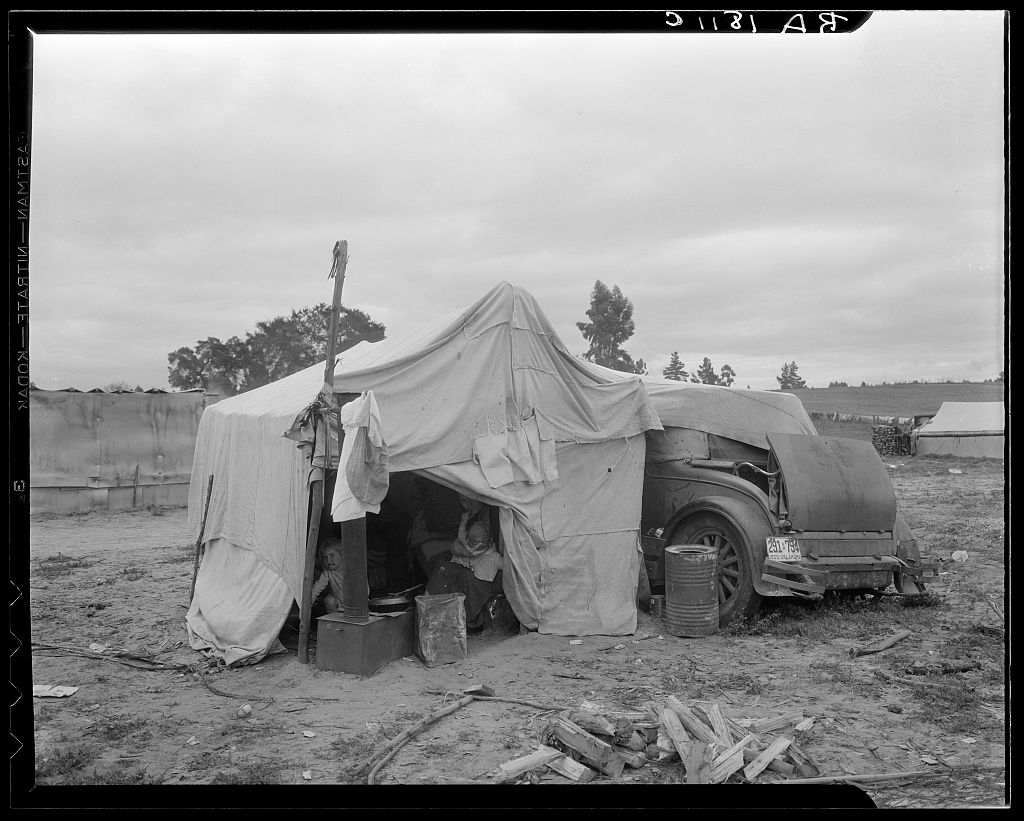
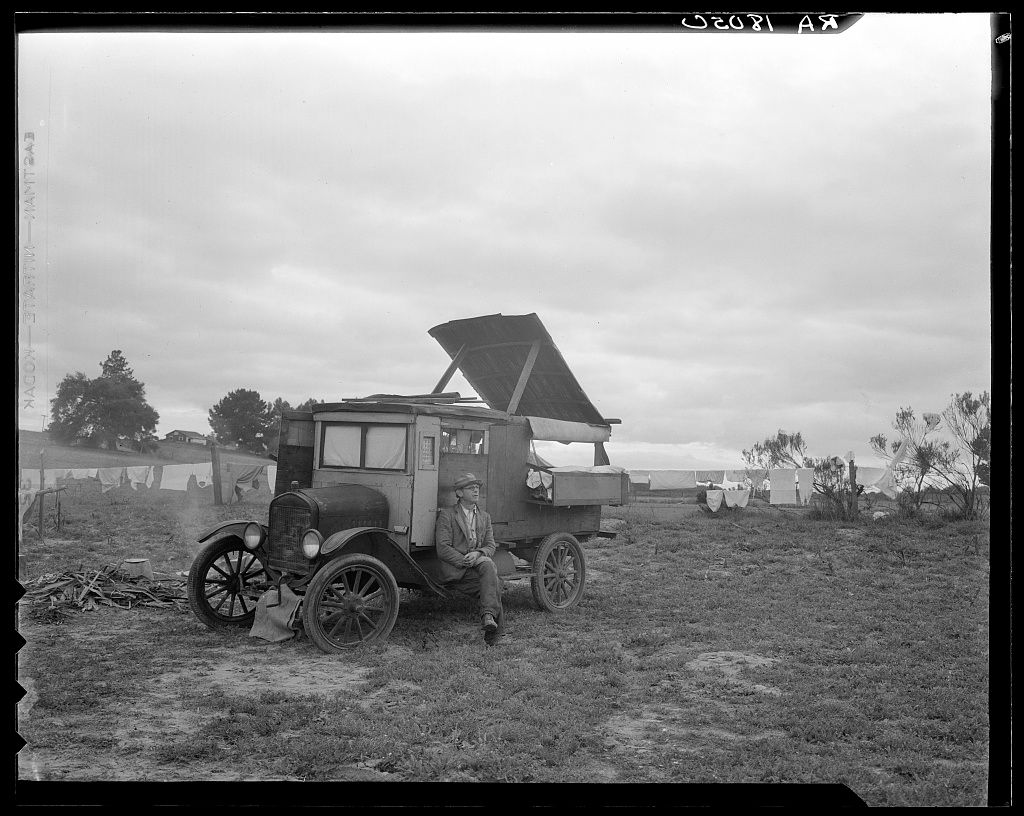
Families packed what they could into aging cars and trucks, often following U.S. Route 66 west toward California. Many hoped to find steady work in the state's fertile agricultural valleys.
Instead, many encountered overcrowded labor camps, seasonal employment, low wages, and difficult living conditions. They also faced prejudice from local residents who viewed the influx of migrants as economic competition. Farm Security Administration camps, including the well-known Weedpatch Camp near Bakersfield, provided cleaner facilities, organized communities, and safer living conditions for some families.
Many eventually established new lives in California, finding permanent work and contributing to the continued growth of the state's agricultural economy.
Those Who Stayed Survival and Adaptation
Most people never left.
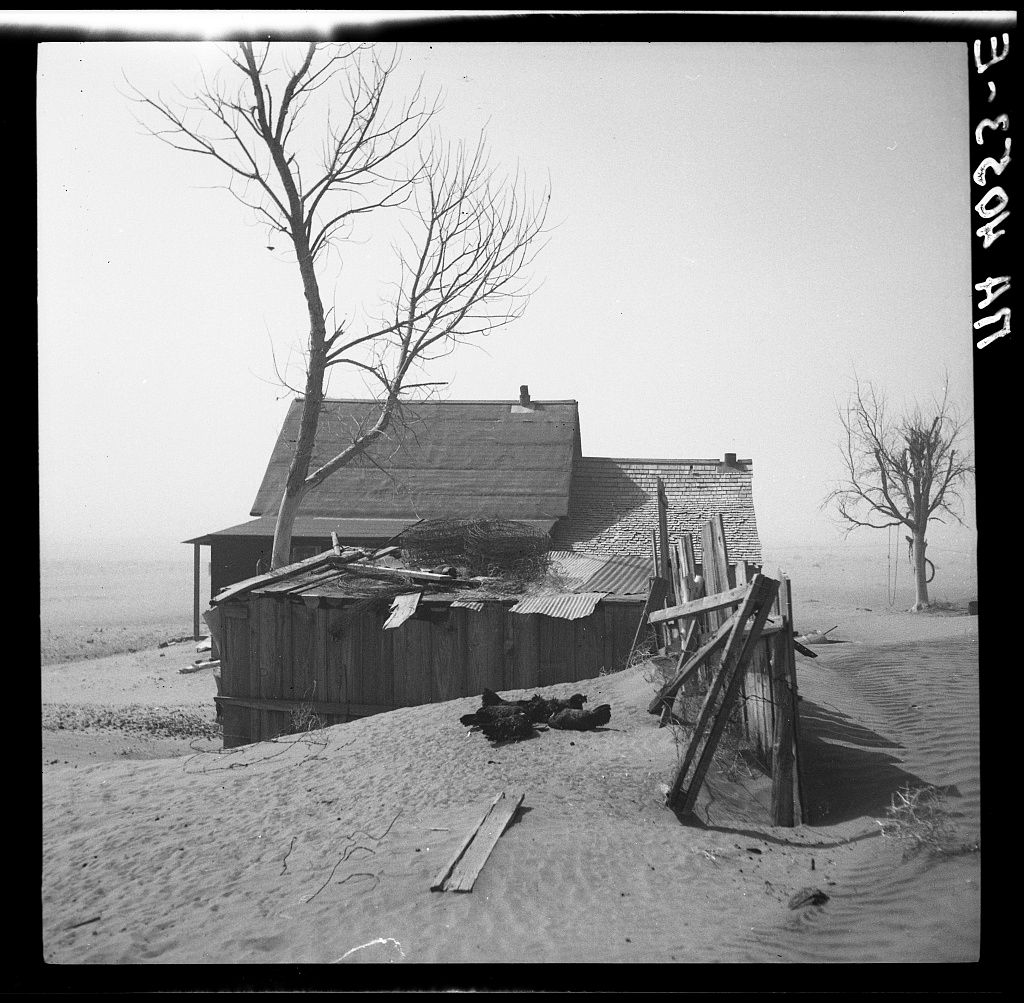
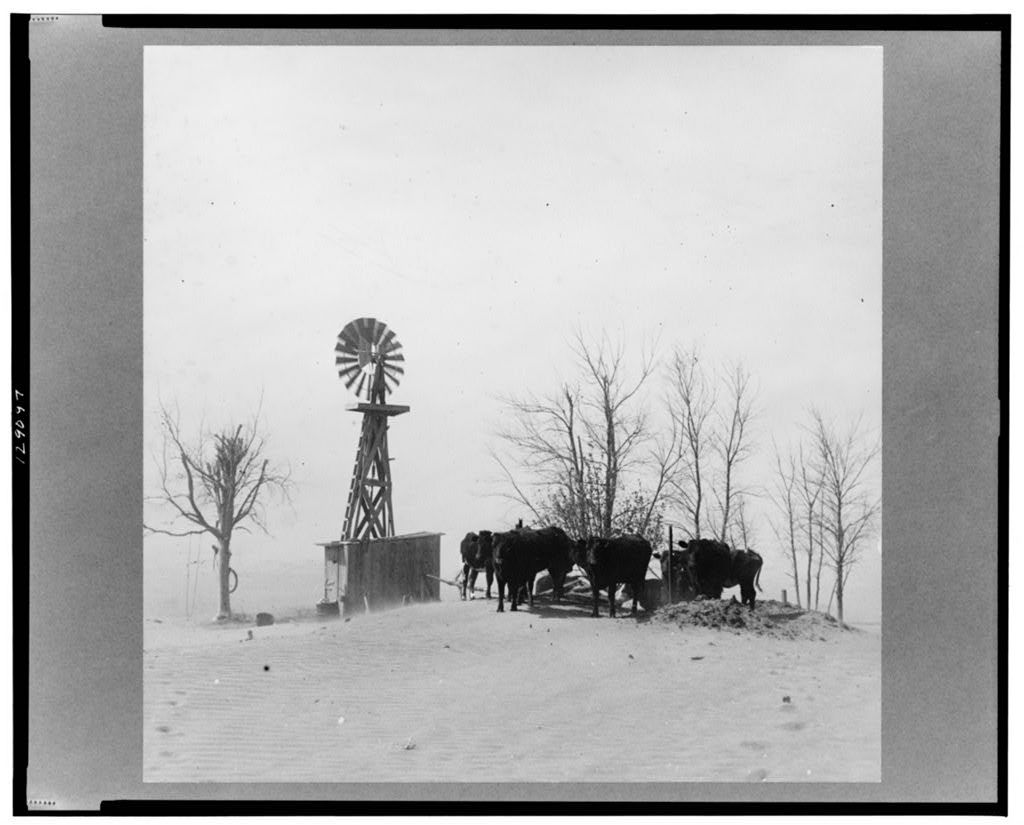
Families who remained endured repeated dust storms that buried fences, drifted against homes, damaged crops, and reduced visibility to only a few feet. Dust seeped through windows, doors, and cracks in the walls, coating dishes, bedding, and furniture.
People adapted however they could. Wet sheets were hung over windows, damp cloths covered faces, and families worked together to protect livestock, conserve food, and help neighbors. Churches, schools, civic organizations, and federal relief programs all played important roles in helping communities endure the crisis.
Recovery and Lasting Lessons
The Dust Bowl reshaped American agriculture.
Following the devastating dust storms of the early 1930s, including storms that carried Great Plains soil to Washington, D.C., Congress created the Soil Conservation Service in 1935 under the leadership of Hugh Hammond Bennett, widely regarded as the father of soil conservation in the United States.
The agency encouraged farmers to adopt contour plowing, terracing, crop rotation, cover crops, and shelterbelts of trees planted to reduce wind erosion. New Deal conservation programs also helped retire highly erodible farmland and promoted better stewardship of the nation's soil.
Many of these practices remain fundamental to soil conservation today.
A Legacy in American Country Living
The Dust Bowl remains one of the clearest reminders of the relationship between people and the land.
It tells the story of families who endured extraordinary hardship, neighbors who depended on one another, and communities determined to rebuild after years of loss. It also changed the way Americans cared for their farmland, leaving behind conservation practices that continue to shape agriculture today.
The legacy of the Dust Bowl lives on in every field carefully tended, every windbreak planted, and every farmer who understands that healthy soil is worth protecting. It reminds us that caring for the land has always been part of caring for the people who depend upon it.
THE AMERICAN COUNTRY LIVING LETTER
From California citrus to New England chowders, Southern baking to heritage kitchens, writing the recipes and stories shaping how we cook and live.


about the AUTHOr
Stasia Boschetti is an American culinary writer and the founder of American Country Living. With more than thirty years of experience in the kitchen, a background in catering, extensive travel, and a strong knowledge of regional food traditions, she writes about the recipes, histories, and customs that have shaped the way America cooks. She lives in the United States with her husband, family, and rescue animals.